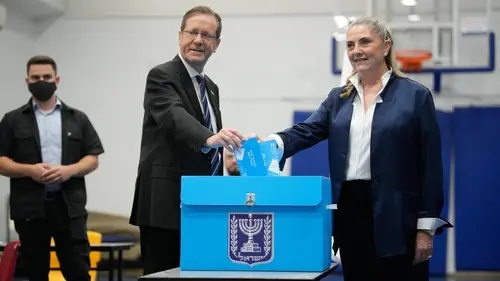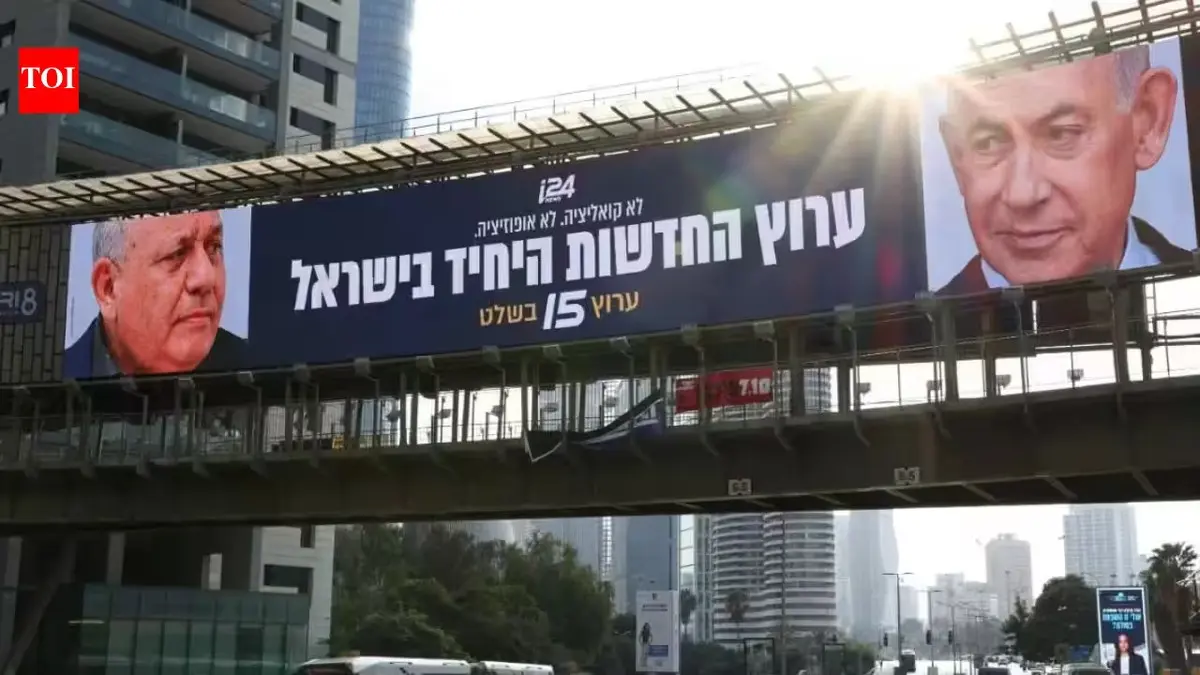
Israel’s polling has ended and ballot counting is under way, setting up the next stage of a process that will determine the composition of the Knesset and the country’s governing coalition. The immediate focus is on the official count, followed by the allocation of parliamentary seats and negotiations among political parties.
The Central Elections Committee is responsible for administering the election and publishing official results. Early figures and media projections may offer an indication of the outcome, but only the certified result can establish the final distribution of seats (Israel Central Elections Committee).
What happens after polling closes
Election officials first process ballots cast at polling stations and reconcile them with voter and ballot records. Results are then reported and checked before the final national tally is formally issued.
Counting can take time because officials must verify paperwork, handle ballots requiring additional review and consolidate results from all voting locations. A slower flow of updates does not, by itself, mean that counting has stopped or that a result has been overturned.
Blank or invalid ballots are treated according to Israel’s election rules and do not automatically translate into a seat for any party. Their treatment is separate from the allocation of valid party votes (Israel Central Elections Committee).
"The decisive shift now is from counting votes to determining which blocs can command a governing majority."
Why the seat tally matters more than the vote lead
Israel’s government is formed through the Knesset’s parliamentary balance rather than by directly electing a prime minister. Once the results are clear, the president consults elected parties and assigns a member of the Knesset the task of forming a government (Basic Law: The Government).
That lawmaker must assemble a coalition capable of winning the Knesset’s confidence. A party can lead the vote yet still need partners to reach a workable majority, while smaller parties may gain influence if their seats are needed to form a coalition.
| Key Metric / Entity | Verified Detail | Strategic Impact |
|---|---|---|
| Voting | Polling has concluded | The process has moved from campaigning to verification and counting |
| Ballot count | Counting is under way | Early numbers remain subject to official checks and final certification |
| Knesset | Parliamentary seats will be allocated from the official result | The seat map will determine coalition possibilities |
| Government formation | A lawmaker will be tasked with building a governing coalition | Parties must negotiate support after the final tally |
What voters and markets should watch next
The next formal milestone is publication of the certified results by the Central Elections Committee. Attention will then turn to the president’s consultations with party representatives and the decision on who should attempt to form a government (President of Israel).
For the public, the result will determine which parties control parliamentary influence and which policy priorities can advance. The outcome may also affect Israel’s budget, security decisions and relations with foreign governments, depending on the coalition that emerges.
Investors and businesses will watch the duration and stability of coalition negotiations. A clear governing bloc could reduce uncertainty, while prolonged talks or a fragile coalition could delay major policy decisions (Knesset of Israel).
Key Factual ClarificationsEditorial Q&A
Why does counting votes take time in Israel?
Officials must collect, reconcile and review ballots from polling stations before results can be certified. Additional checks and the consolidation of national figures can slow the release of final numbers.
Does an early vote lead guarantee victory?
No. An early lead can change as more polling-station results are added, and the number of seats depends on the final valid vote totals and Israel’s electoral rules.
What happens if no party has a majority?
Coalition negotiations begin. The president consults elected parties and assigns a member of the Knesset the task of forming a government capable of winning parliamentary confidence.
Why might public updates appear to stop?
Updates may slow while election officials reconcile records, process remaining polling stations or review ballots. A pause in public reporting is not, on its own, evidence that the count has been cancelled or abandoned.
When will Israel know the next government?
The official seat tally must come first. Government formation can then take additional time because parties must negotiate coalition agreements and secure enough parliamentary support.