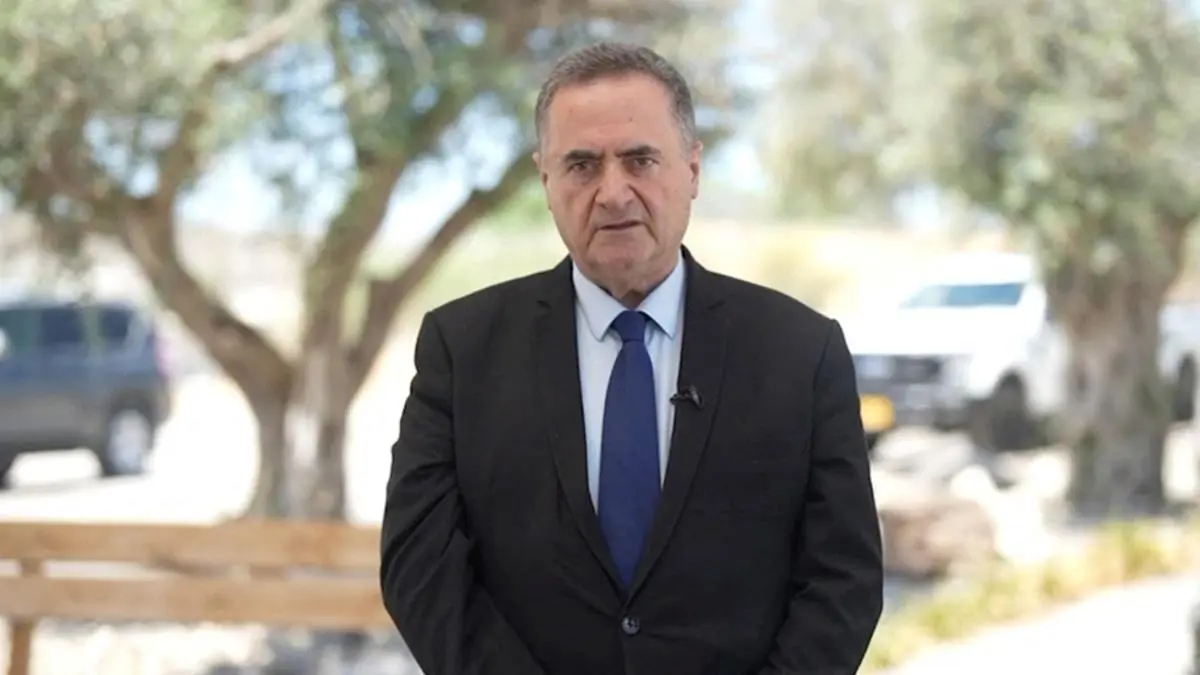
Israel Defence Minister Israel Katz on Wednesday, October 28, condemned opposition candidate Gadi Eisenkot for urging Israel’s military to resist pressure from Prime Minister Benjamin Netanyahu after Tuesday’s election.
Katz said Eisenkot’s appeal to senior military officials not to follow directives from Netanyahu, the defence minister or other security authorities was “an anti-democratic statement detached from reality”. He made the remarks in a post on X.
Eisenkot, a former military chief, told supporters after the October 27 election that Netanyahu was a caretaker prime minister without a mandate. He said the military’s duty was to the state rather than to the prime minister.
“Stand firm in the face of any attempt to challenge you. You have my unequivocal backing,” Eisenkot said. “Netanyahu, do not dare use Israel’s security for your political needs.”
The dispute centres on Israel’s chain of command and Netanyahu’s repeated threats to launch renewed military action against Iran. Israel carried out bombing campaigns backed by the United States last year and again this year, according to the reported background to the confrontation.
Katz said Eisenkot’s comments formed part of what he called “a campaign of lies” about tensions between Netanyahu and the military over Iran. His statement was a direct rejection of Eisenkot’s suggestion that military officials should independently resist instructions from the elected leadership.
Media reports have said military chief Lieutenant General Eyal Zamir pushed back against Netanyahu’s latest plans for Iran shortly before the election. Netanyahu has denied those reports. No confirmed military refusal or formal change to the chain of command was announced in the statements described on Wednesday.
The immediate public issue is whether political disagreement over Iran policy could affect military decision-making. Israel’s defence minister says orders must follow the established government and security structure, while Eisenkot argues that the armed forces must prevent national security from being used for political purposes.
The next verified development is likely to come through public statements from Israel’s political and security leadership. Any new order involving Iran, a documented military refusal or a formal disciplinary response would materially change the dispute. None was confirmed in Katz’s statement.
| Milestone | What happened | Confirmed position |
|---|---|---|
| October 27, 2026 | Gadi Eisenkot addressed supporters after the election | He called Netanyahu a caretaker prime minister and urged the military to serve the state |
| October 28, 2026 | Israel Katz responded on X | He called Eisenkot’s appeal anti-democratic and rejected claims of a military split |
| Before the election | Reports said Lieutenant General Eyal Zamir resisted new Iran plans | Netanyahu denied those reports |
| Next confirmed step | No formal military action was announced | The dispute remains political and concerns the existing chain of command |
Key Factual ClarificationsEditorial Q&A
What did Israel’s defence minister say?
Israel Katz said Gadi Eisenkot’s call for senior military officials to resist directives from Netanyahu and other security authorities was anti-democratic and detached from reality.
What did Gadi Eisenkot ask the military to do?
Eisenkot urged military officials to stand firm against attempts to challenge them and said the army should serve the state rather than the prime minister.
Why is Iran central to the dispute?
Netanyahu has repeatedly threatened renewed action against Iran. Reports that military chief Eyal Zamir opposed new Iran plans have added to political tension, although Netanyahu denied those reports.
Has the Israeli military refused Netanyahu’s orders?
No confirmed military refusal was announced in the statements described on October 28. The dispute concerns competing political claims about the military’s authority and independence.
Who is Gadi Eisenkot?
Eisenkot is a former Israeli military chief and an opposition candidate who criticised Netanyahu’s authority after the October 27 election.