OpenAI has announced three new discoveries in mathematics, computer science, and physics, focusing respectively on harmonic analysis, computational complexity theory, and quantum field theory. The organization published its plans on OpenAI's Research Index, describing the underlying model-generated manuscripts as a form of "raw research data" rather than finished scientific literature.
Rather than applying a single dissemination process, OpenAI is testing three distinct release protocols tailored to feedback from academic communities across the three disciplines. External experts were engaged as "shepherds" to direct working groups tasked with analyzing, validating, and explaining the model findings.

Disciplinary Release Models
The approach diverges across the three fields based on guidance from academic advisers:
- Mathematics (Harmonic Analysis): OpenAI has released the direct AI output openly, allowing external researchers to independently organize working efforts to examine and explain the result.
- Computer Science (Complexity Theory): An external group of collaborators has been convened to analyze and explain the discovery, while the raw AI output is made publicly accessible for open evaluation.
- Physics (Quantum Field Theory): OpenAI formed an external group of independent collaborators and deferred full control over the timing and manner of releasing research materials directly to that group.
| Discipline | Scientific Domain | Distribution Strategy | Role of External Collaborators |
|---|---|---|---|
| Mathematics | Harmonic Analysis | Open release of direct AI output | Independent community self-organization |
| Computer Science | Complexity Theory | Public raw output with external working group | Coordinated explanation and open analysis |
| Physics | Quantum Field Theory | Materials deferred to working group | Direct stewardship of release format and timeline |

Photographic Documentation
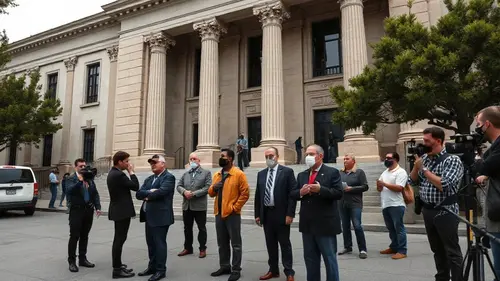
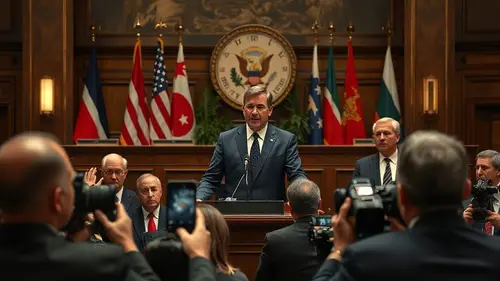
Mathematics Computer Science — verified documentary press visual.
Four Core Principles of Collaboration
To address long-standing tensions between artificial intelligence laboratories and traditional research institutions, OpenAI outlined four operating principles governing these external engagements:
1. Transparency: Collaborations operate publicly without non-disclosure agreements. Participants retain full freedom to discuss ongoing work, publish findings, and circulate intermediate materials.
2. No Academic Credit: OpenAI confirmed it will not seek formal academic credit for discoveries generated by its internal models, nor does stewardship imply the working groups generated the initial automated findings.
3. Recognition: External collaborators receive explicit recognition for the contextual understanding, scholarly write-ups, and derivative works they author, while ensuring proper attribution to earlier human techniques.
4. Independence: All academic participation is voluntary and unpaid. Working-group members operate without speaking for OpenAI, and the organization does not speak on their behalf.
By turning over research artifacts directly to independent groups, OpenAI aims to assess which collaboration structures best bridge machine-generated outputs and rigorous scientific consensus.
Frequently Asked Questions
What specific fields do the new discoveries address?
The three discoveries cover harmonic analysis in mathematics, complexity theory in computer science, and quantum field theory in physics.
Is OpenAI seeking formal academic credit for the discoveries?
No. OpenAI explicitly stated it does not seek academic credit for results generated by its internal models and treats the generated texts as raw research data.
Are participating scientists bound by non-disclosure agreements?
No. The collaboration terms require transparency, with participants taking part on a voluntary, unpaid, and independent basis without non-disclosure agreements.