Former Federal Bureau of Investigation Director James Comey is facing a third prosecution push by the Justice Department, marking a renewed effort to bring criminal charges against the former law enforcement chief.
The development represents an extraordinary escalation in the long-running dispute between former President Donald Trump’s allies and the former FBI leadership. According to reporting from Reuters, this latest move signals continued determination within the department to pursue actionable legal pathways against Comey following previous reviews that concluded without criminal indictments.

Background on Prior Inquiries
Comey, who was dismissed from his post as FBI director in May 2017, has previously been the subject of internal department scrutiny and special reviews. Earlier examinations focused on his handling of memos documenting private interactions with Trump, as well as the broader origins of the 2016 counterintelligence investigation into Russian election interference. As documented across prior federal accountability reviews indexed by the Federal Bureau of Investigation, earlier Justice Department examinations led by the Office of the Inspector General criticised Comey's handling of departmental records but declined to recommend criminal prosecution.
A subsequent comprehensive review conducted under Special Counsel John Durham, detailed in public filings maintained by the U.S. Department of Justice, similarly concluded without filing charges against Comey regarding his official conduct during the initial stages of the Trump-Russia inquiry.

Photographic Documentation
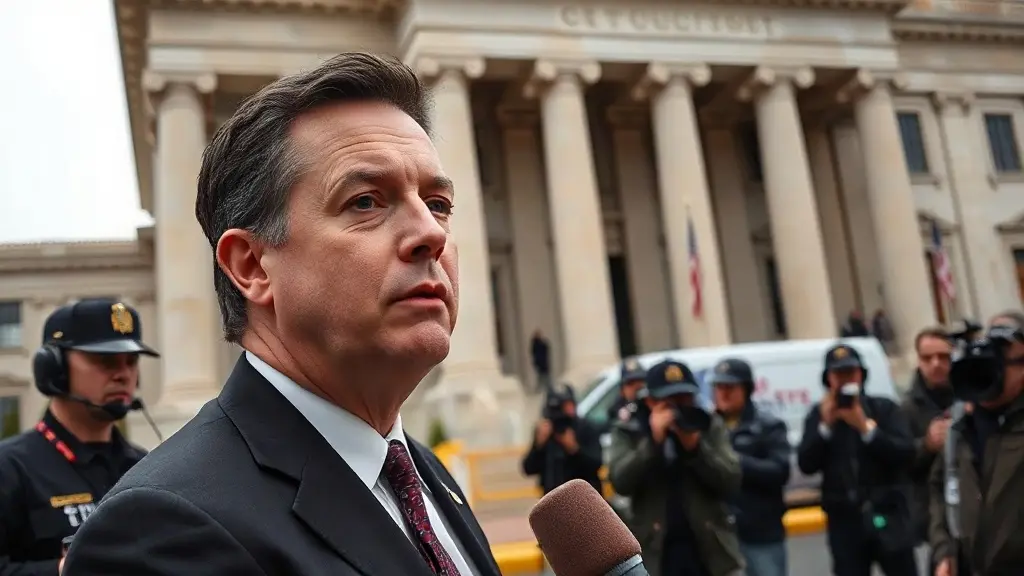
Comey — verified documentary press visual.
Overview of Inquiries Regarding James Comey
| Phase / Inquiry | Focus Area | Reported Outcome / Status |
|---|---|---|
| First Review (DOJ Inspector General) | Handling and disclosure of personal memos | Misconduct found; criminal prosecution declined |
| Second Review (Special Counsel Durham) | Origins of 2016 Trump-Russia investigation | Broad systemic criticism; no charges filed against Comey |
| Third Effort (Current DOJ Push) | Re-examination of past conduct and records | Under active consideration by federal prosecutors |
Legal Hurdles and Procedural Realities
Legal analysts note that pursuing criminal charges against a former senior official years after the underlying conduct poses significant procedural challenges. Under standard federal rules tracked by Reuters Legal News, prosecutors face strict statutes of limitations for most non-violent federal offenses—generally capped at five years unless specific tolling or national security provisions apply.
Additionally, any prospective indictment requires presenting credible evidence to a federal grand jury to establish probable cause. Because earlier department leadership and career prosecutors repeatedly declined to move forward due to insufficient evidence of criminal intent, a third attempt will face intense judicial scrutiny regarding political motivation and evidentiary standards.
For now, the Justice Department has not released a formal indictment, and Comey's legal representatives have not issued a formal public response to the latest reporting.
Frequently Asked Questions
Why is James Comey facing another prosecution attempt?
The Justice Department under Trump leadership has reopened reviews into Comey’s conduct and disclosures during his tenure as FBI director, seeking viable grounds for prosecution.
Has James Comey been formally indicted?
No formal indictment has been unsealed or confirmed in connection with this third push.
What were the results of earlier Justice Department investigations into Comey?
Prior inquiries, including an investigation by the DOJ Inspector General and the Special Counsel review, criticised his record-handling practices but explicitly declined to bring criminal charges.