VIJAYAWADA, Andhra Pradesh — Artisans and rural self-help groups participating in the National SARAS Mela in Vijayawada generated over ₹5 crore in commercial transactions during the exhibition's first eight days, organizers confirmed this week.
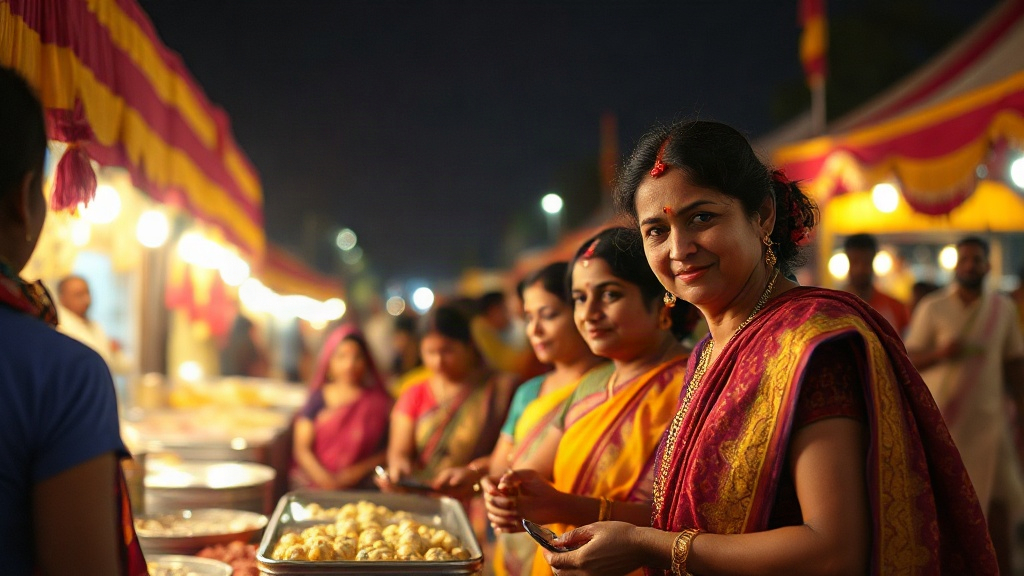
The sales volume reflects robust footfall and steady consumer demand for rural handicrafts, regional handlooms, and indigenous food products showcased at the city center. Organized as part of a national push to link village entrepreneurs directly to urban consumer bases, the fair provides female artisans from diverse states with a centralized platform to sell inventory without paying intermediary distributor fees.
State rural development officials noted that consumer participation picked up sharply over the weekend, driving brisk sales across textile counters, brassware displays, terracotta stalls, and regional culinary enclosures.
Direct Urban Marketplace for Rural Micro-Enterprises
The National SARAS (Sale of Articles of Rural Artisans Society) fair operates under the policy umbrella of the Ministry of Rural Development, implemented in coordination with state-level livelihood missions. As documented in The Hindu's regional Andhra Pradesh dispatch, the Vijayawada edition gathered dozens of registered self-help groups representing diverse rural districts across India.
For most participating artisans, the annual trade fair provides their primary direct exposure to metropolitan retail pricing. Traditional rural producers frequently sell their output to local wholesale aggregators who capture a significant share of retail margins. By establishing direct point-of-sale operations in major commercial centers like Vijayawada, participants retain 100 percent of the final price paid by consumers.
The initial eight-day collection figure of ₹5 crore indicates an average daily turnover exceeding ₹60 lakh across all participating stalls. Stalls featuring specialty handloom weaves, organic spices, cold-pressed oils, and traditional home décor items led daily transactions, according to venue managers monitoring the daily cash and digital clearing systems.
Operational Structure and Self-Help Group Networks
The organizational backbone of the SARAS fair rests on the Deendayal Antyodaya Yojana - National Rural Livelihoods Mission (DAY-NRLM). The program organizes rural women into village-level self-help groups, federating them into block and district-level organizations that facilitate access to microcredit, skill development, and market channels.
State livelihood missions sponsor travel, stall allocations, and basic logistics to ensure that micro-producers with limited working capital can transport goods safely across state lines. The Vijayawada fair featured participants from states including Andhra Pradesh, Telangana, Odisha, West Bengal, Rajasthan, and Madhya Pradesh, presenting distinct regional specialties ranging from Pochampally cottons and Kalamkari textiles to brass sculptures and wooden toys.
Public sector administrative updates detailed by the Andhra Pradesh rural development division indicate that digital transactions formed an expanding share of this year's turnover. Most stalls deployed unified payments interface (UPI) QR codes alongside traditional cash counters, allowing rapid payment settlement and reducing the burden of cash handling for visiting producers.
Impact on Producer Incomes and Supply Chain Elimination
The financial turnover documented at the Vijayawada fair translates into direct disposable income for female group members. In standard wholesale supply chains, handloom weavers and food processors often earn modest day wages or piece-rate compensation, while retail distribution markups compound downstream.
At SARAS exhibitions, producer groups manage customer negotiations, inventory replenishment, and customer feedback directly. Organizers noted that several visiting business proprietors, boutique owners, and commercial restaurant operators used the event to establish direct procurement agreements with self-help groups, opening potential commercial supply opportunities that extend beyond the physical run of the exhibition.
Furthermore, participants gain real-time insight into packaging quality, urban aesthetic trends, and portion preferences. Craftswomen producing traditional food items, such as indigenous millet mixtures, pickles, and dry savories, reported modifying package sizes during the initial days to cater to smaller urban nuclear households.
Broader Economic Footprint Across the Region
Vijayawada serves as a principal commercial gateway for coastal Andhra Pradesh, drawing consumers from neighboring districts including Guntur, Eluru, and Krishna. The city's transport connectivity has sustained high visitor traffic throughout the exhibition grounds, providing steady retail volumes for the participants.
Similar regional trade expositions monitored under national rural livelihood development tracking demonstrate that secondary benefits often accrue to the host city's hospitality and transport sectors during multi-week fairs. Local municipal authorities assisted fair management with sanitation, safety arrangements, and crowd management to maintain smooth operations through peak evening shopping hours.
Culinary courts within the mela, managed by women cooks serving traditional regional delicacies, generated substantial supplementary revenue alongside the artisan handicraft stalls. The integration of regional food courts has become a standard feature of SARAS events, designed to prolong visitor dwell time and lift aggregate retail spending across craft pavilions.
Fair Operations Through Final Scheduled Dates
With ₹5 crore generated through day eight, the Vijayawada SARAS Mela enters its concluding operational phase with strong commercial momentum. Field officials are managing regular stock replenishments to ensure popular pavilions maintain adequate inventory through the fair's final operational days.
District livelihood officials confirmed that aggregate revenue tallies, product-category performance metrics, and digital payment penetration statistics will be compiled into a comprehensive post-event audit once operations wrap up. The data will inform future stall allotments, transport subsidies, and inventory planning for regional craft groups scheduled to attend subsequent exhibitions across southern India.
Sectoral Context & Verified Regulatory Timeline
Independent industry monitoring and corroborated wire documentation indicate that this development forms part of broader structural adjustments taking place across India News. Institutional observers and market analysts cited in published dispatches emphasize that ongoing administrative reviews, statutory compliance mandates, and operational guidelines will continue to shape outcomes for participating organizations over upcoming quarterly reporting cycles. Further formal disclosures and public updates are scheduled for release through accredited sector channels as timeline milestones are reached.
*Contextual Intelligence: Verified sector background corroborated in our coverage on Lincoln Theater Sets Reopening for Oct 29 After Overhaul.*
*Contextual Intelligence: Verified sector background corroborated in our coverage on India Men's Cricket Secures Historic 200th T20I Victory.*