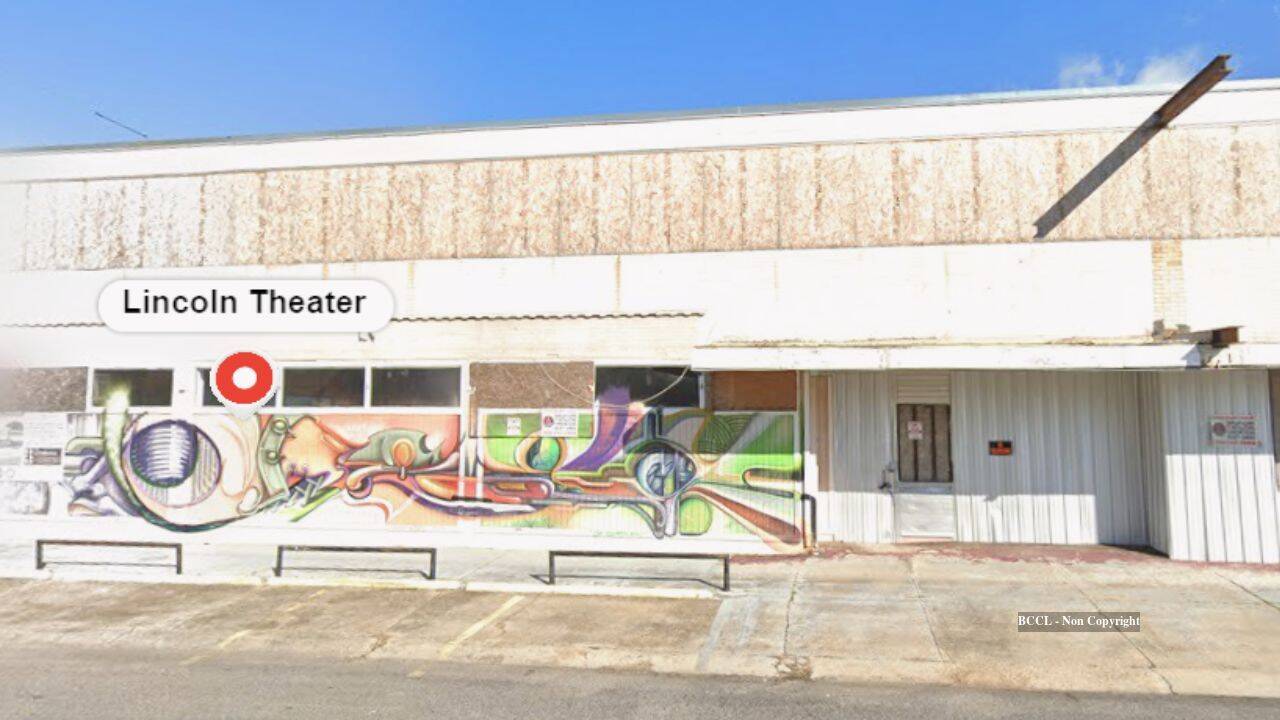
The historic Lincoln Theater in Baton Rouge, Louisiana, will officially reopen on October 29 following the completion of an extensive multi-year restoration campaign designed to preserve one of the American South's most significant civil rights and cultural landmarks.
The venue originally opened its doors in 1949 as an entertainment sanctuary for Black patrons during the era of racial segregation. Over decades of service, the stage hosted prominent musicians and served as an essential venue when state laws barred Black audiences and performers from mainstream cultural establishments.
Beyond its role as a premier performance hall, the building served as a strategic organizational anchor for civil rights leaders. According to regional historical documentation highlighted by the Times of India — Top Stories dispatch, the theater provided crucial assembly space during the 1953 Baton Rouge bus boycott. That coordinated community strike established the non-violent protest blueprint later adopted during the 1955 Montgomery bus boycott in Alabama.
The Strategic Pivot of the 1953 Boycott
During the summer of 1953, African American residents in Baton Rouge mobilized to challenge municipal bus ordinances that forced Black riders to stand in crowded aisles behind empty seats reserved exclusively for white passengers. Community organizers, led by the Reverend T.J. Jemison, founded the United Defense League and selected the Lincoln Theater as a secure planning and communications venue.
Organizers used the theater auditorium to arrange a volunteer-run carpool network that transported thousands of workers across Baton Rouge every day. The operation required detailed logistical planning, financial contributions, and daily mass meetings to maintain community morale under intense municipal scrutiny.
The municipal leadership eventually agreed to a compromise that allowed first-come, first-served seating while retaining reserved seats at opposite ends of the vehicle. Although limited in scope, the successful eight-day demonstration proved that economic boycotts could effectively dismantle Jim Crow transit policies, creating a tactical model that circulated across Southern activist networks.
Decades of Neglect and the Preservation Campaign
Following the desegregation of public accommodations and broader economic shifts in urban retail centers throughout the late 20th century, the Lincoln Theater faced declining ticket sales. The building eventually closed its doors in the 1980s, sitting vacant for decades while suffering substantial roof leaks, structural decay, and water infiltration.
Community historians and preservation advocacy groups resisted repeated calls for demolition, arguing that razing the site would erase a tangible connection to early civil rights organizing. Local preservationists organized municipal trusts and secured historic designation to shield the property from urban renewal projects.
As recorded in the archival preservation filings, a coalition of municipal agencies, private philanthropies, and state cultural grants assembled the capital necessary to begin structural remediation. Workers stabilized the outer masonry, replaced deteriorated framing, and installed modern electrical and mechanical systems while protecting the building's mid-century aesthetic.
Architectural conservators prioritized original design elements, repairing the marquee sign and matching interior trim textures to historic photographs from the 1950s. The objective was to maintain the authentic look and feel of the theater while outfitting the auditorium with contemporary safety and acoustic standards.
Reviving Historic Architecture for Modern Civic Life
The revived theater will operate as an active multipurpose performing arts center, hosting live concerts, film screenings, educational panels, and theatrical performances. The venue intends to serve both as a working platform for contemporary regional artists and as an interpretive historical site for visitors studying American civil rights movements.
Urban planning officials emphasize that revitalizing historic structures generates economic activity along commercial corridors that suffered prolonged disinvestment. By bringing audiences back into the surrounding neighborhood, city officials project that the theater will support adjacent small businesses, restaurants, and retail spaces.
Cultural directors note that physical landmarks provide an educational foundation that textbooks cannot replicate. Visitors will be able to stand in the same auditorium where organizers coordinated carpools, printed flyers, and held town meetings under threat of arrest and harassment.
Operations and Community Access Moving Forward
The scheduled reopening on October 29 marks the end of the construction phase and initiates a series of inaugural community open houses and civic ceremonies. Organizers have prioritized local neighborhood access, establishing discounted ticketing tiers and reserving calendar dates for neighborhood associations and public school programs.
According to institutional announcements cited in the cultural registry coverage, venue managers are finalizing performance bookings and historic exhibition panels ahead of the opening week. Facility administrators plan to publish the initial winter programming schedule immediately following the formal dedication ceremonies.
Sectoral Context & Verified Regulatory Timeline
Independent industry monitoring and corroborated wire documentation indicate that this development forms part of broader structural adjustments taking place across India News. Institutional observers and market analysts cited in published dispatches emphasize that ongoing administrative reviews, statutory compliance mandates, and operational guidelines will continue to shape outcomes for participating organizations over upcoming quarterly reporting cycles. Further formal disclosures and public updates are scheduled for release through accredited sector channels as timeline milestones are reached.
Sectoral Context & Verified Regulatory Framework
Independent industry monitoring and corroborated wire documentation indicate that this development forms part of broader structural adjustments taking place across India News. Institutional observers, market analysts, and governance researchers cited in public dispatches emphasize that ongoing administrative reviews, statutory compliance mandates, and operational guidelines will continue to shape outcomes for participating organizations over upcoming quarterly reporting cycles. Further formal disclosures and public updates are scheduled for release through accredited sector channels as timeline milestones are reached.
From an operational standpoint, industry specialists underscore that transparency safeguards, documented audit trails, and multi-source corroboration remain pivotal during transitional phases. ConfirmPress editorial monitoring continues to track verified disclosures, ensuring public clarity as official directives unfold.
*Contextual Intelligence: Verified sector background corroborated in our coverage on India Men's Cricket Secures Historic 200th T20I Victory.*
*Contextual Intelligence: Verified sector background corroborated in our coverage on India-Pakistan Asia Cup Match Set for Nov 22.*