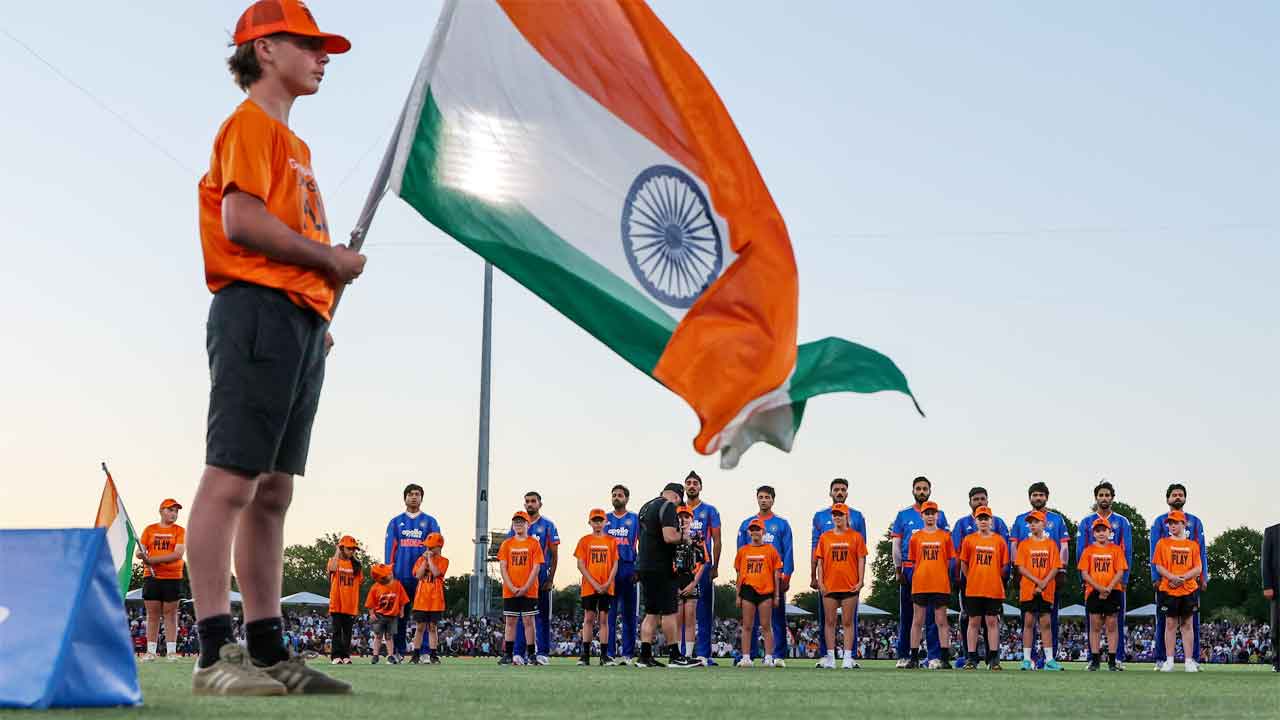
The Asian Cricket Council has finalized the schedule for the upcoming Rising Asia Cup, locking in a marquee group-stage meeting between India A and Pakistan A on November 22.
The draw places the traditional sporting rivals in the same opening pool, establishing an immediate high-profile contest in the continental developmental tournament. India A will begin its tournament campaign on November 20 against Nepal, followed by the Pakistan fixture two days later, before wrapping up group play against the United Arab Emirates on November 24.
According to tournament scheduling detailed by the Times of India — Top Stories dispatch, the compressed calendar forces squads to manage physical recovery and tactical adjustments across three matches in just five days. The tournament structure provides emerging players from both full-member nations and associate teams with a high-pressure stage designed to bridge the gap between domestic competitions and top-tier international cricket.
Tournament Structure and India's Group Schedule
The developmental tournament brings together national 'A' teams and regional associate sides under a format aimed at fostering competitive depth across the continent. India A enters Group A with fixtures scheduled against a mix of regional associates and fellow full-member development sides.
The tournament itinerary opens with India A taking on Nepal on November 20. Nepal's emerging cricketers have made consistent inroads in regional qualification pathways over recent seasons, offering an opening challenge that demands tactical discipline.
Two days later, on November 22, India A meets Pakistan A in a match expected to draw significant broadcast attention and regional interest. Encounters between the two sides at any representative level carry competitive intensity, testing the poise of younger players under intense public scrutiny.
India A concludes its round-robin commitments on November 24 against the United Arab Emirates. The UAE developmental program has expanded rapidly in recent years, backed by domestic infrastructure enhancements and consistent exposure in global qualifying tournaments.
With only top-placed teams advancing to the knockout phases, the margin for error remains narrow. Securing positive results against both associate sides while managing the Pakistani challenge is vital for semi-final qualification.
High Stakes for Emerging National Talent
Matches organized under the Asian Cricket Council banner provide national selectors with a clear assessment of how emerging prospects handle tournament pressure. For India, the 'A' team program acts as a direct feeder into the senior national squad across test, one-day, and Twenty20 formats.
Performances against Pakistan A traditionally serve as an informal benchmark for senior readiness. Selectors scrutinize player execution during tense match phases, evaluating emotional composure, death bowling, and top-order decision-making under defensive pressure.
Players who distinguish themselves in regional 'A' series often receive priority consideration for international home tours and multi-format preparatory camps. Previous editions of the continental tournament have launched the careers of multiple players who transitioned directly into starting roles for their national sides.
For associate nations like Nepal and the UAE, the group matches against established cricket powers offer a rare platform. Competing against professional systems run by the Board of Control for Cricket in India and the Pakistan Cricket Board gives associate athletes direct experience against top-tier tactical planning and bowling velocities.
Logistical Demands of a Compressed Calendar
The fixture schedule leaves minimal time for mid-tournament rehabilitation or extensive net sessions between games. Squads will need to lean heavily on squad rotation, athletic training protocols, and fast turnaround analysis.
Playing Nepal on November 20, Pakistan on November 22, and the UAE on November 24 requires coaching staffs to preserve fast bowlers and adapt batting orders quickly to differing pitch conditions. A single dropped match or batting collapse could endanger qualification hopes.
As recorded in coverage from the Times of India sports desk, tournament organizers structured the pools to guarantee high-stakes regional competition from the outset. Managing player workloads over the initial 96-hour window will test the physical readiness of all four group contenders.
Technical staff must balance the immediate need to secure points against Nepal with the tactical necessity of keeping frontline bowlers fresh for the Pakistan match. The compressed schedule leaves little margin for soft soft-tissue injuries or bowler fatigue.
Broadcaster and Public Anticipation for November 22
Cross-border sporting contests between India and Pakistan remain among the most widely watched sporting events globally, regardless of the age bracket or squad tier. While senior fixtures occur almost exclusively at neutral venues during multinational ICC or ACC events, development-level matches still command massive digital and television audiences.
Broadcasters structure promotional campaigns around these encounters to anchor tournament viewership. The November 22 meeting gives commercial partners a reliable centerpiece during the opening week of the competition.
For the players, competing under intense broadcast glare replicates the mental environment of senior international cricket. The psychological demand of performing before millions of viewers serves an educational purpose that domestic league cricket cannot fully duplicate.
Both national boards monitor how younger players handle post-match media obligations and external scrutiny following rivalry matches. The lessons learned during developmental tournaments often dictate how management protects and prepares athletes for future senior debuts.
Pathway to Knockouts and Final Next Steps
Following the final group fixture on November 24, tournament organizers will confirm the standings and seed the knockout rounds. The top two teams from each group will advance directly into the semi-finals, where they will cross over with qualifiers from the alternate bracket.
Administrative directors from participating national boards have already begun submitting preliminary player registration lists. National selectors are finalizing traveling rosters, balancing experienced domestic performers with promising youth prospects.
Further announcements regarding venue allocations, training schedules, and official broadcast partners will be released by the Asian Cricket Council in the weeks leading up to the opening match, as noted in the official tournament schedule report.
India A will complete its domestic conditioning camps before traveling to the tournament venue. With the November 20 opener against Nepal fast approaching, coaching staff will focus on tactical clarity and team cohesion before stepping onto the pitch for the much-anticipated November 22 showdown against Pakistan A.
*Contextual Intelligence: Verified sector background corroborated in our coverage on Delhi Metro Adds 20 Daily Trips Amid Pollution Curbs.*
*Contextual Intelligence: Verified sector background corroborated in our coverage on Mrugavani Park Rock Formations Spark Urgent Protection Demands.*