KATHMANDU / NEW DELHI — The United Nations body overseeing climate reparations, the Fund for Responding to Loss and Damage (FRLD), approved an emergency allocation of $21.6 million to Nepal this week to address catastrophic losses caused by severe climate-driven disasters.
The landmark funding decision, reached during an extraordinary board session, represents the first operational financial transfer by the global body since its formal establishment. According to a Times of India — Top Stories dispatch by senior environmental journalist Vishwa Mohan, the payout marks a formal international acknowledgment that climate change fuels devastating local disasters, while setting an operational precedent that industrialized, historically high-emitting nations must contribute capital to help vulnerable countries recover.
For decades, developing nations have argued that while their historical greenhouse gas emissions remain negligible, their geography and financial limitations leave them disproportionately exposed to rising global temperatures. The approved $21.6 million grant will directly assist Nepal in rebuilding critical infrastructure, rehabilitating displaced mountain communities, and strengthening early warning defenses following catastrophic flooding and landslides.
Establishing the Legal and Financial Precedent
The creation of the Loss and Damage mechanism emerged from grueling negotiations at consecutive UN climate summits, where vulnerable nations demanded compensatory financing separate from existing adaptation loans and mitigation credits. Developing countries maintained that loans add debt burdens onto populations already devastated by ecological disasters they did not cause.
By authorizing direct capital relief to Nepal, the board answered years of diplomatic paralysis. The allocation operates on the universally contested principle of "common but differentiated responsibilities." Under this doctrine, wealthy industrialized economies whose industrial growth drove atmospheric carbon accumulation are obligated to cover the irreversible costs suffered by nations on the front lines.
Technical advisors participating in the emergency review emphasized that establishing a workable claims process had long stalled behind debates over liability and financial definitions. The release of funds to Kathmandu signals that the board has established a functional evaluation threshold, enabling rapid capital transfers when catastrophic seasonal anomalies overwhelm domestic emergency reserves.
The Devastation Across Nepal’s Mountain Ecosystems
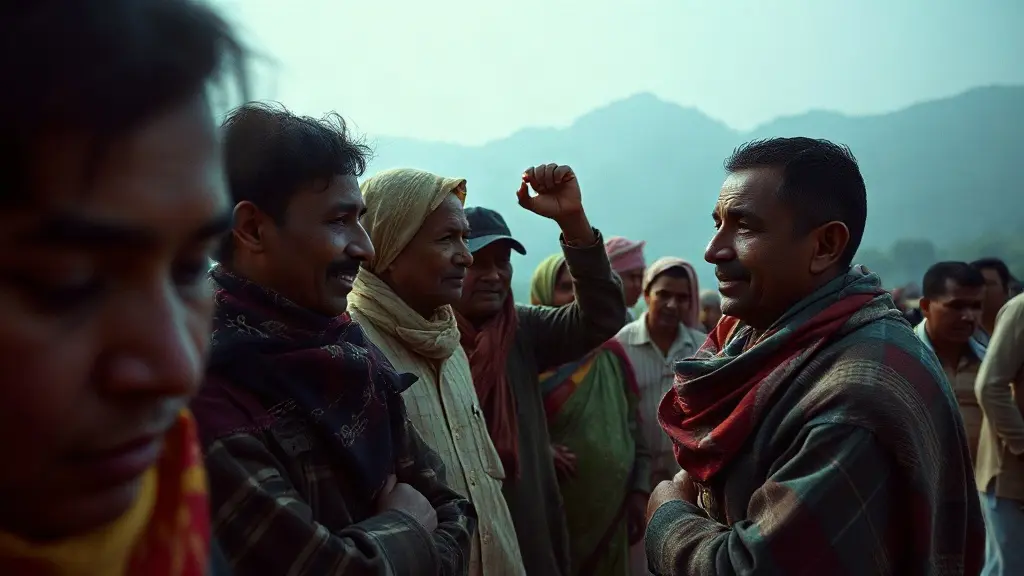
Nepal has faced an escalating succession of extreme weather events over the past three years. Unprecedented monsoon downpours triggered flash floods, debris flows, and sudden glacial lake outburst floods across central and eastern districts, wiping out hydropower stations, highways, agricultural terraces, and remote settlements.
International geological assessments confirmed that shifting precipitation dynamics over the Hindu Kush Himalayas have destabilized fragile mountain valleys. As detailed in the published technical report reviewed by delegates, the economic toll of repairing basic arterial corridors and public utilities far outstripped Nepal’s annual national disaster mitigation budget.
The $21.6 million grant aims to plug immediate financing shortfalls. Rather than funding long-term theoretical policy frameworks, the board instructed that capital flow directly into rapid reconstruction, rural household stabilization, and restoring washed-out municipal water and power lines in the hardest-hit river basins.
Ramifications for India and the Broader Himalayan Belt
The funding decision carries acute domestic implications across the border in India. The states of Uttarakhand, Himachal Pradesh, Sikkim, and the Union Territory of Jammu and Kashmir share the same contiguous watershed and atmospheric vulnerabilities that batter Nepal.
Indian climate policymakers and regional state disaster authorities have monitored the UN board’s deliberations closely. Himalayan cloudbursts and glacial breaches routinely cut across political borders, often washing sediment and floodwaters down shared river systems like the Kosi, Gandak, and Mahakali. Indian officials have consistently argued at international forums that vulnerable regional populations require direct grants rather than complex multilateral debt instruments to withstand recurring mountain emergencies.
By operationalizing this compensation channel, South Asian diplomats gain practical legal and procedural templates. The board's determination that catastrophic seasonal flooding constitutes a compensable loss clarifies how neighboring countries can catalog damages, link localized events to broader meteorological data, and file formal claims without becoming ensnared in endless geopolitical litigation.
Governance, Oversight, and Resource Bottlenecks
While the decision represents a political breakthrough, the financial scale of the fund faces immediate scrutiny from civil society observers. Total pledges committed by wealthy nations to the UN Loss and Damage mechanism stand near $700 million—a figure environmental analysts describe as minor compared to actual annual recovery needs in the Global South.
According to an official regulatory filing and background briefing notes from the board, disbursing $21.6 million to a single nation consumes more than three percent of the fund’s total current liquidity. If multiple nations file emergency applications following severe tropical cyclones or extended droughts this year, the fund will quickly exhaust its cash reserves unless Western donor capitals approve mandatory budget top-ups.
Questions also surround the domestic disbursement pipeline within Nepal. The UN board established clear auditing guidelines requiring transparent tracking down to municipal levels, ensuring funds bypass bureaucratic bottlenecks and reach frontline families. The Nepalese government is preparing an inter-ministerial disbursement roadmap overseen by international monitoring observers to guarantee compliance with international fiduciary safeguards.
Next Steps and the Path to COP30
The initial tranche of capital is scheduled to move into targeted administrative accounts following formal notification protocols between the United Nations Development Programme and Nepal's Ministry of Finance. Nepalese disaster agencies expect primary on-the-ground project disbursements to commence ahead of the upcoming seasonal monsoon.
International delegates will review the mechanics of the Nepal transfer during mid-year climate talks, where developing nations plan to leverage this first successful case to demand mandatory, automatic replenishment quotas from industrialized states. The ultimate test of the UN fund now turns on whether wealthy governments replenish its capital faster than extreme weather events deplete it.
*Contextual Intelligence: Verified sector background corroborated in our coverage on India Elects to Bat in Second ODI as Squad Tests Bench.*
*Contextual Intelligence: Verified sector background corroborated in our coverage on Congress Demands Probe Into UP Voter List Cuts.*