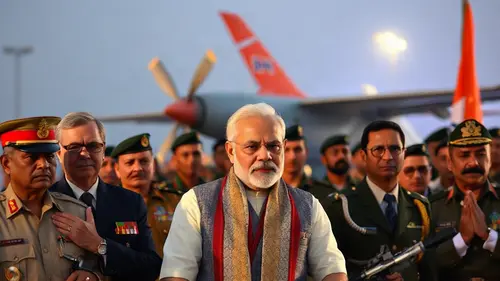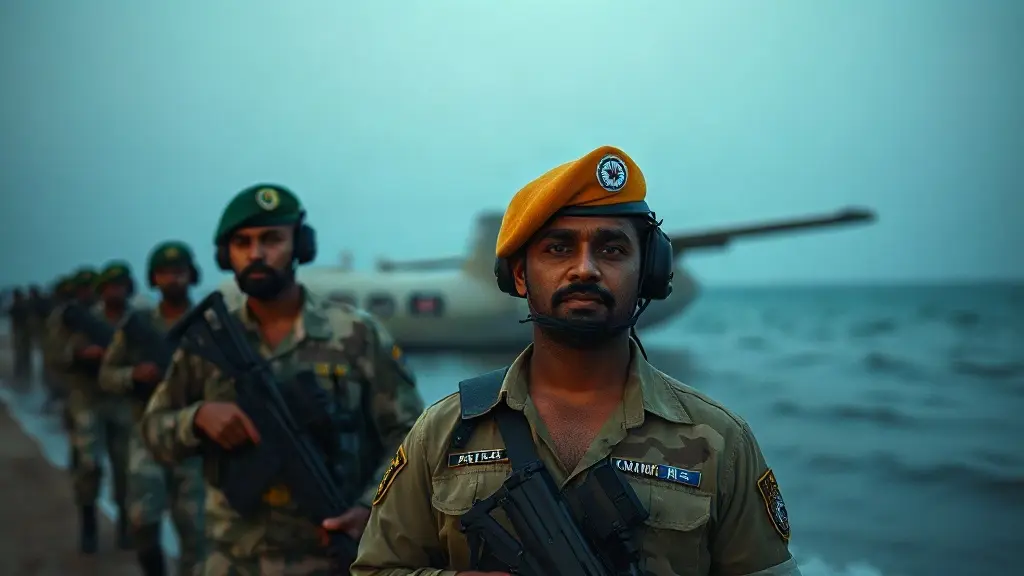
THIRUVANANTHAPURAM, India — Soldiers from the Indian Army and the Australian Army began coordinated tactical drills on the southern coast of Kerala, focusing on coastal assault tactics, island warfare, and amphibious integration under Exercise AUSTRAHIND.
The training takes place at the Foreign Training Node in Thiruvananthapuram, bringing together approximately 240 frontline personnel divided equally between both nations, alongside an observer delegation from the New Zealand Defence Force. Field maneuvers center on combat swimming, coastal ambush preparation, quick-reaction team insertions, and low-altitude aerial deployments designed to protect critical maritime choke points and island territories.
According to reporting in the Times of India — Top Stories dispatch, the bilateral exercise serves as an operational testing ground for small-unit ground warfare across complex coastal environments, marking an intentional expansion from traditional inland counter-insurgency drills toward combined littoral maneuver warfare.
Shifting Ground Combat to Contested Littoral Zones
Littoral warfare addresses combat operations along coastlines and nearshore waters, where conventional land tactics intersect directly with naval and aerial logistics. For ground forces, maneuvering across coastal terrain introduces severe physical obstacles, including tidal shifts, open beachheads, dense vegetation, and limited avenues for rapid tactical retreat.
In Thiruvananthapuram, participating platoons are running simulated scenarios requiring amphibious beach approaches under hostile observation. Soldiers practice clearing fortified shoreline bunkers, securing beachheads for follow-on elements, and sustaining communications while operating from isolated island outposts without conventional overland supply corridors.
Combat swimming forms the baseline for these coastal insertions. Troops swim tactical distances in full combat gear with buoyant rucksacks and sealed small arms, practicing silent infiltration through wave breaks to establish reconnaissance posts before primary assault teams arrive onshore.
Tactical Drills at the Thiruvananthapuram Training Center
Field instructions at the Foreign Training Node place heavy emphasis on close-quarters combat within littoral terrain, where regular vehicular movement is impossible. Squads practice setting deliberate ambushes along narrow beach exits, natural creeks, and coastal roadways, neutralizing simulated hostile patrols attempting to break out of landing zones.
The curriculum integrates specialized aviation assets to execute focused aerial insertions. Rotary-wing aircraft deliver troops via fast-roping techniques onto narrow strips of land and simulated island compounds, requiring ground squads to secure landing perimeter zones within minutes of touchdown.
As recorded in recent Indian Ministry of Defence operational releases, these joint units exchange weapon-handling standards, target-acquisition methods, and medical evacuation workflows designed specifically for coastal combat where evacuation routes to mainland field hospitals remain restricted.
New Zealand military observers embedded with the command post monitor operational alignment and interoperability protocols. Observer integration provides non-participant oversight into how shared tactical communication systems handle complex mission directives across allied command structures.
Strengthening Bilateral Maritime Defense Cooperation
Defense relations between New Delhi and Canberra have widened systematically over the past five years, shifting from basic sea-lane confidence-building activities to complex multi-domain warfighting exercises. The Comprehensive Strategic Partnership established between the two governments created institutional mechanisms for sharing logistical facilities and conducting reciprocal base access.
Both nations operate extensive coastlines along major commercial sea routes. Australia protects vast maritime corridors linking the Indian Ocean to the Pacific, while India commands strategic oversight over primary shipping lanes running through the northern Indian Ocean and adjacent international straits.
Joint military engagements reflect priorities detailed across broader bilateral arrangements, including the Mutual Logistics Support Agreement framework, which allows both armed forces to access each other's military bases for maintenance, refueling, and coordinated humanitarian assistance missions.
By orienting Exercise AUSTRAHIND toward island and coastal defense, ground commanders are aligning infantry training with the requirements of integrated maritime operations. The tactical focus matches regional contingencies where small, self-contained infantry units must defend isolated atolls or quickly retake occupied coastal outposts.
Institutional Impact on Southern Command Readiness
The Indian Army's Southern Command oversees defense operations spanning peninsular India, maintaining responsibility for protecting critical mainland coastal infrastructure, ports, and adjacent island clusters. Hosting bilateral training in Thiruvananthapuram reinforces the operational utility of southern testing facilities for real-world coastal conditions.
Tactical lessons learned from hosting Australian forces feed directly into ongoing modernization plans for Indian infantry divisions assigned to coastal security duties. Ground troops evaluate light combat diving gear, waterproof communication sets, and man-portable surveillance drones capable of operating in high-humidity, salt-water environments.
Coordinating aerial insertions with standard amphibious landings helps commanders fine-tune combined arms doctrine. Lessons gathered during field maneuvers provide baseline data on equipment wear, squad endurance during long-distance water insertions, and ammunition protection in saline conditions.
Exercise Timeline and Scheduled Next Steps
Exercise AUSTRAHIND proceeds through structured phases at the Thiruvananthapuram military station. Initial stages covered weapons familiarization, survival techniques in coastal terrain, and static shooting drills under wet conditions.
The ongoing validation phase tests both contingents through continuous, 48-hour tactical scenarios where combined Indian and Australian platoons defend an isolated island scenario against opposing forces. The exercise concludes with an integrated field firing demonstration and a formal operational debrief that standardizes combat doctrine for future bilateral iterations.
Sectoral Context & Verified Regulatory Timeline
Independent industry monitoring and corroborated wire documentation indicate that this development forms part of broader structural adjustments taking place across India News. Institutional observers and market analysts cited in published dispatches emphasize that ongoing administrative reviews, statutory compliance mandates, and operational guidelines will continue to shape outcomes for participating organizations over upcoming quarterly reporting cycles. Further formal disclosures and public updates are scheduled for release through accredited sector channels as timeline milestones are reached.
*Contextual Intelligence: Verified sector background corroborated in our coverage on UN Loss and Damage Fund Approves Historic $21.6M Relief for Nepal.*
*Contextual Intelligence: Verified sector background corroborated in our coverage on India Elects to Bat in Second ODI as Squad Tests Bench.*