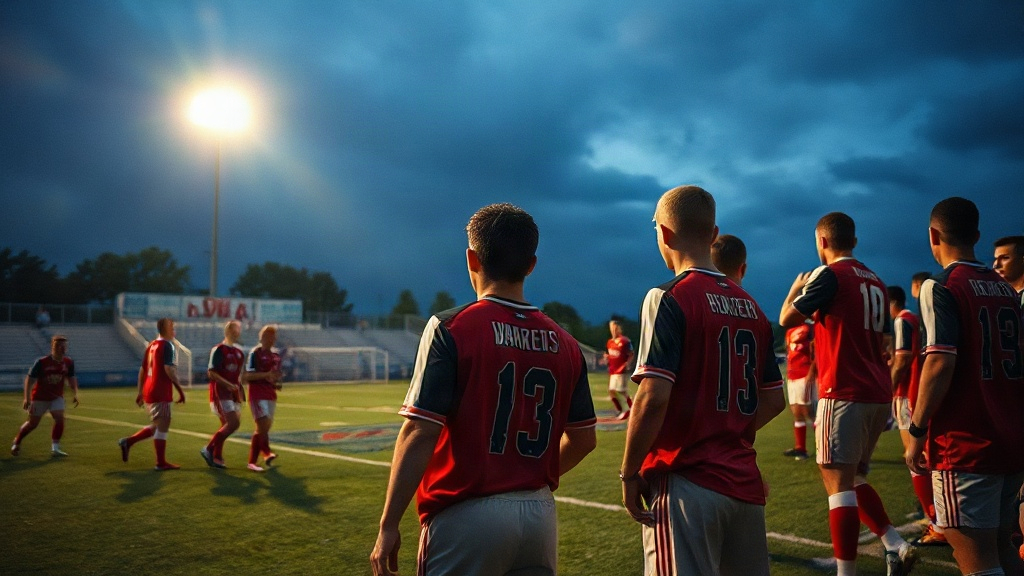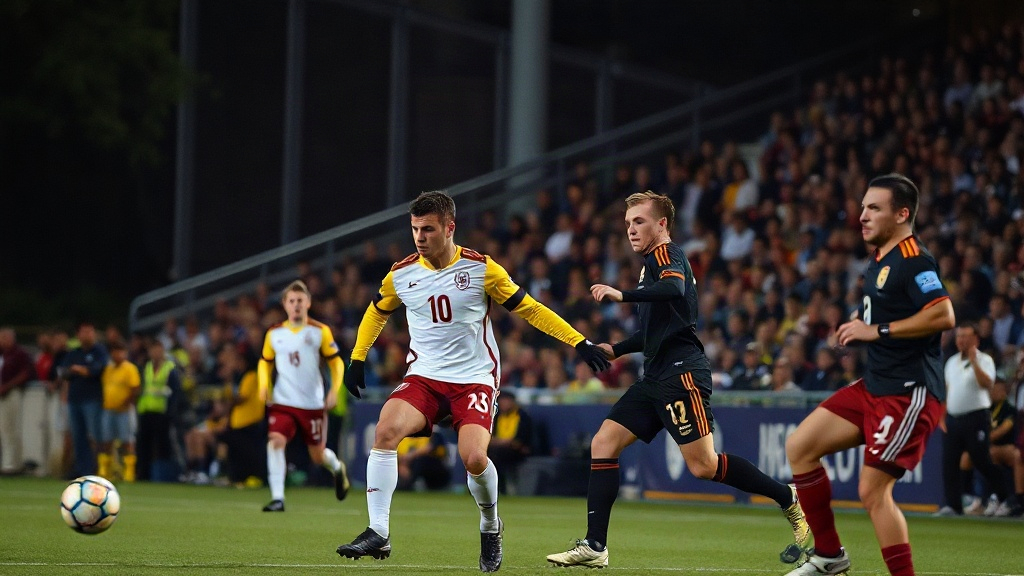
CHICAGO — The Loyola University Chicago men's soccer team embarked on its final road trip of the regular season this week, entering a pivotal stretch that will determine the program's positioning in the upcoming conference tournament.
According to an official team travel release documented by the Loyolaramblers.com dispatch, the Ramblers departed campus to close out their away schedule against key league opposition. The upcoming slate marks the end of months of regional and non-conference preparation, condensing the squad's postseason hopes into their ability to secure points away from Hoyne Field.
For head coaching staff and returning players, the annual final away trip serves as an operational checkpoint. Long bus rides, altered recovery schedules, and hostile road environments historically separate contending programs from mid-table finishers across Division I collegiate soccer.
The Competitive Picture on the Pitch
Late-season collegiate soccer demands tactical discipline, particularly as conference tables tighten toward late October. Teams that accumulate draws or drop matches against lower-ranked conference adversaries regularly miss qualification for single-elimination conference championships entirely.
Loyola Chicago's tactical identity under the current athletic department blueprint leans heavily on defensive organization and structured transitional play. In Atlantic 10 competition, points won on the road carry disproportionate value because home-field advantage often dictates attacking tempo on narrower campus pitches.
The Ramblers have spent the autumn testing combinations across the midfield line, attempting to generate offensive consistency without compromising backline integrity. College soccer analysts tracking regional form note that late-season road matches frequently devolve into physical set-piece battles where defensive concentration over 90 minutes decides the outcome.
Maintaining squad health during late autumn presents another hurdle. Over the course of a demanding collegiate schedule, soft tissue injuries and cumulative fatigue alter tactical plans, forcing coaching staffs to rely on depth benches rather than preferred starting elevens.
Navigating Travel Logistics and Academic Pressures
Unlike professional outfits traveling on chartered aircraft with dedicated recovery staff, collegiate student-athletes operate under rigid institutional schedules. Travel itineraries for conference road trips require balancing travel days, team walkthroughs, video study, and scheduled academic study halls.
As confirmed by athletic department schedules on the Loyola Ramblers official athletics portal, late-season away fixtures demand precise logistical planning to ensure compliance with NCAA rest protocols. Student-athletes frequently complete coursework in transit, relying on athletic academic advisors to proctor exams in hotel conference rooms between training sessions.
This dynamic places distinct pressure on underclassmen who may be experiencing extended regular-season road series for the first time. The transition from high school club circuits to intercollegiate road fixtures involves a significant jump in physical preparation and mental focus.
Senior leaders within the locker room serve as anchors during these trips. Veteran defenders and upperclassmen midfielders who have previously navigated conference road swings must manage squad morale when matches become contested and refereeing styles shift in opposing home venues.
Tactical Demands in Hostile Territory
Playing away from Chicago requires a departure from standard home match scripts. At Hoyne Field, the Ramblers benefit from familiar pitch dimensions, predictable turf bounce, and home supporters positioned close to the touchlines. In contrast, away environments introduce uneven natural grass, foreign locker rooms, and travel fatigue.
To manage these variables, tactical strategies often shift toward risk mitigation. Coaching staffs regularly deploy a compact defensive block, instructing outside backs to limit forward overlaps until match rhythms stabilize. Avoiding early goals against is the primary imperative when seeking table points away from home.
Counter-attacking efficiency becomes paramount in these fixtures. Because possession statistics typically tilt toward home squads, visiting teams must capitalize on low-probability transitional opportunities, corner kicks, and free-kick deliveries into the penalty area.
Scouting reports generated by opposing programs also peak in accuracy during late October. With months of match video accessible through shared league platforms, opponents possess detailed dossiers on Loyola's penalty takers, set-piece routines, and individual technical weaknesses.
The Broader Atlantic 10 Landscape
Conference standings in men's collegiate soccer remain notoriously volatile until the final whistle of the regular-season schedule. A single victory can elevate a program from the qualification bubble into an advantageous home-field quarterfinal slot, while back-to-back defeats can eliminate a team from tournament contention entirely.
Official updates from the Loyola men's soccer program page underscore how competitive parity defines the Atlantic 10 conference. Programs routinely trade results, meaning regular-season championship honors and tournament berths are rarely decided before the final weekend.
Beyond conference tournament qualification, national postseason berths hinge heavily on the NCAA Men's Soccer RPI (Ratings Percentage Index). Road victories carry extra statistical weight in the RPI algorithm, incentivizing teams to play proactively rather than passively holding for draws.
For Loyola Chicago, securing maximum points during this road series could provide the necessary boost to enter national postseason discussions, or at minimum, guarantee favorable pairings in the early rounds of the league tournament.
Preparations and the Path Ahead
As the squad completes its final road itinerary, physical recovery will take precedence leading into the regular-season finale. Modern collegiate training staffs implement cold-water immersion, compression technology, and strictly monitored nutritional plans immediately following matches to accelerate muscle recovery.
The final away fixtures represent the culimination of preseason training that began in the August heat. Every drill, tactical classroom session, and conditioning test was designed to prepare the roster for high-pressure autumn moments away from Chicago.
Following the conclusion of this final road series, the Ramblers will return to Rogers Park to conclude the regular season. The confirmed results from these away fixtures will directly dictate whether their postseason run begins on home soil or requires further travel across the regional map.
*Contextual Intelligence: Verified sector background corroborated in our coverage on West Texas A&M Prepares for Lone Star Conference Homecoming Clash Against Western New Mexico.*
*Contextual Intelligence: Verified sector background corroborated in our coverage on Eastern Kentucky Prepares for High-Stakes Homecoming Clash Against West Florida at Roy Kidd Stadium.*