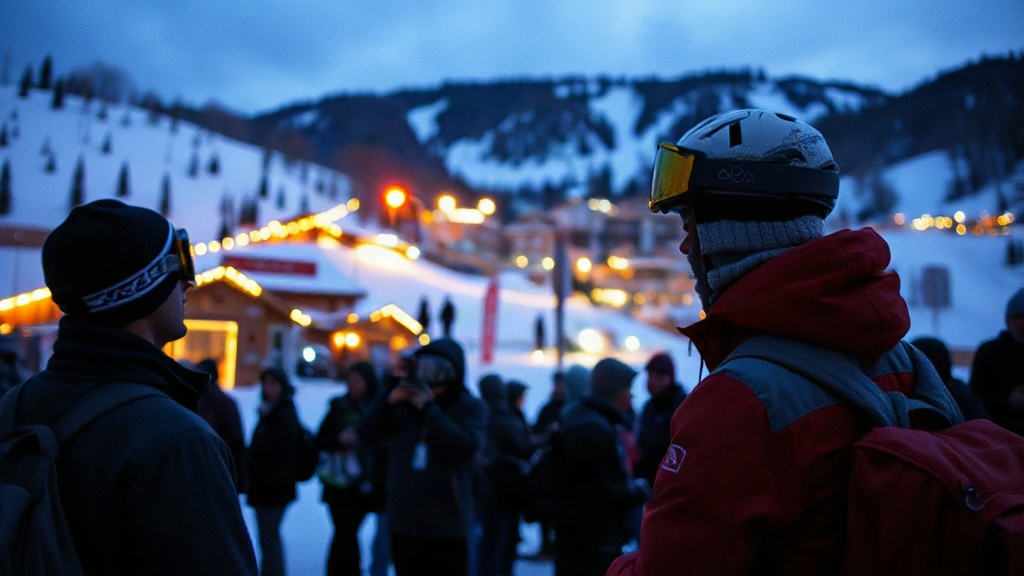
Park City, Utah, launched its inaugural winter sports documentary and outdoor cinema festival this season, establishing a dedicated platform for extreme mountain athletics and independent sports media along the Wasatch Range.
Organizers designed the first-year initiative to merge the resort community’s historical winter athletic culture with independent documentary production. The opening slate assembled professional snowboarders, competitive backcountry skiers, and extreme endurance athletes alongside cinema crews documenting high-altitude mountain ascents. According to a TownLift sports coverage report, the program aims to formalize an annual fixture on the regional calendar that celebrates elite athletic achievement outside traditional stadium boundaries.
The development directly addresses an ongoing gap within professional mountain sports. While competitive ski and snowboard circuits track race times, trick execution, and points on standardized courses, long-form sports filmmaking remains the primary medium through which freeride competitors secure sponsorship and reach global audiences. The establishment of a dedicated showcase in Summit County provides these athletes with localized public exposure, commercial networking, and critical distribution pathways.
Establishing an Extreme Sports Film Platform in Summit County
Park City occupies a singular position in international winter athletics. As a designated training territory for elite snow-sport competitors and a central location for commercial winter entertainment, the town maintains the infrastructure necessary to host high-capacity media gatherings. Organizers capitalized on existing athletic hubs, screening selections in venues adjacent to established training facilities and public recreation corridors.
The inaugural selection featured documentary shorts, expedition profiles, and technical sports reels detailing first descents across North American and European mountain ranges. Competing athletes emphasized that capturing high-risk mountain sport demands specialized athletic conditioning from the production crew itself. Camera operators and directors must match the endurance, technical skiing skills, and mountaineering safety competencies of the primary athletes while transporting heavy recording equipment across glaciated terrain.
By positioning the festival as a recurring event, municipal backers and regional sports leagues seek to cultivate direct connections between local athletic talent and global media distributors. The first-year rollout validated that demand, generating capacity crowds for athletic panels and competitive screening sessions.
Athletic Performance, Mountain Risk, and Documentary Production
High-alpine cinema differs fundamentally from conventional sports broadcasting, where multi-camera setups capture closed, climate-controlled environments. In the backcountry terrain documented throughout the festival's opening roster, athletes navigate unpredictable snowpacks, extreme sub-zero temperatures, and severe avalanche risks.
The featured productions underscored the rigorous athletic preparation required for human-powered backcountry descents. Athletes spend months conducting cardiovascular endurance training and wilderness safety assessments before attempting high-angle lines. As reported in the TownLift regional dispatch, multiple entries focused on the technical physical training regimens that competitive freeriders implement to withstand high-impact landings on unmanaged terrain.
Safety protocols formed a recurring focal point during post-screening technical roundtables. Representatives from regional avalanche forecast centers joined participating athletes to detail how decision-making models, emergency evacuation logistics, and snowpack telemetry directly determine when a line can be skied safely. The technical documentation presented on screen illustrated the knife-edge balance between boundary-pushing athletic performance and preventative wilderness management.
Economic Influence on Utah's Mountain Sports Infrastructure
The introduction of a dedicated sports cinema festival introduces commercial advantages to the regional winter economy. While traditional ski tourism relies heavily on recreational lift-ticket sales, media-centered athletic events draw commercial equipment manufacturers, production companies, and high-profile outdoor brands into Summit County.
Local commercial stakeholders noted that seasonal athletic events smooth the financial valley between high-traffic holiday periods. Independent production crews and visiting athletic delegations book regional hospitality services, rent technical facilities, and patronize equipment outfitters during shoulder operating weeks. The sustained presence of sports media production reinforces Park City’s reputation as a commercial clearinghouse for the outdoor recreation economy.
Furthermore, independent winter athletes rely on visual content to satisfy contracts with outerwear manufacturers, ski builders, and protective gear sponsors. The festival provided an open market where emerging freeriders met directly with brand managers seeking authentic ambassadors for upcoming product release campaigns. These commercial connections deliver critical financial stability to younger competitors who lack access to national team funding pipelines.
Environmental Context and Sustainable Winter Athletics
Beyond raw athletic performance, the festival’s thematic programming reflected rising concern over environmental instability within competitive winter sports. Several featured documentary titles tracked the physical retreat of snowpack across classic international alpine training venues, showing how changing weather patterns force elite teams to alter long-term training regimens.
Skiers and mountaineering specialists shared accounts of shifting seasonal windows, which compress the time available to film complex backcountry lines. In response, sports federations and production entities are implementing rigorous zero-waste and carbon-neutral travel policies. According to an editorial analysis by TownLift, environmental stewardship discussions drew active participation from local athletes who train year-round in the surrounding Wasatch-Cache National Forest.
These public sessions underscored the collective duty shared by winter athletes to preserve the fragile environments where they perform. Athletes outlined personal initiatives to reduce motorized access in favor of human-powered splitboarding and alpine ski touring, matching physical conditioning goals with environmental conservation standards.
Integration With Regional Winter Youth Development
The long-term viability of extreme sports in Utah depends heavily on grassroots participation pathways. During the festival's weekend slate, organizers designated specific instructional blocks for regional youth ski clubs, freeride development teams, and aspiring high-school sports videographers.
Young athletes attended workshops focused on self-advocacy, athletic portfolio development, and technical camera positioning on mountain trails. Established professionals provided detailed critiques of student sports reels, teaching junior competitors how to present their physical abilities to collegiate programs, corporate sponsors, and professional freeride leagues. This educational pipeline demystifies the commercial side of extreme sports, giving younger generations actionable paths toward sustainable professional athletic careers.
Coaches from local winter sports foundations emphasized that exposure to high-caliber sports storytelling broadens youth athletic ambitions. Rather than measuring personal success solely by podium finishes in youth slalom races, junior athletes learned how mountaineering discipline, safety awareness, and creative expression offer parallel routes to international sporting success.
Confirmed Next Steps and Year Two Scheduling Milestones
Following the conclusion of the first-year screenings, the organizing committee published the official timeline for subsequent festival operations. Technical reviews and venue agreements will undergo formal municipality evaluations to scale screening capacities and accommodate larger athletic demonstrations.
Organizers confirmed that the call for submissions for the next competitive screening cycle will open ahead of the standard North American winter season. The upcoming slate plans to expand awards categories for adaptive winter sports, high-altitude expedition documentaries, and female freeride cinematography. Stakeholders intend to strengthen ties with winter sports governing bodies, cementing Park City's standing as a premier epicenter for mountain sports innovation, independent cinema, and extreme athletic performance.
*Contextual Intelligence: Verified sector background corroborated in our coverage on Coastal Carolina Hosts JMU as Sun Belt Race Tightens.*
*Contextual Intelligence: Verified sector background corroborated in our coverage on ULM Soccer Targets Sun Belt Upset Against Ragin' Cajuns.*