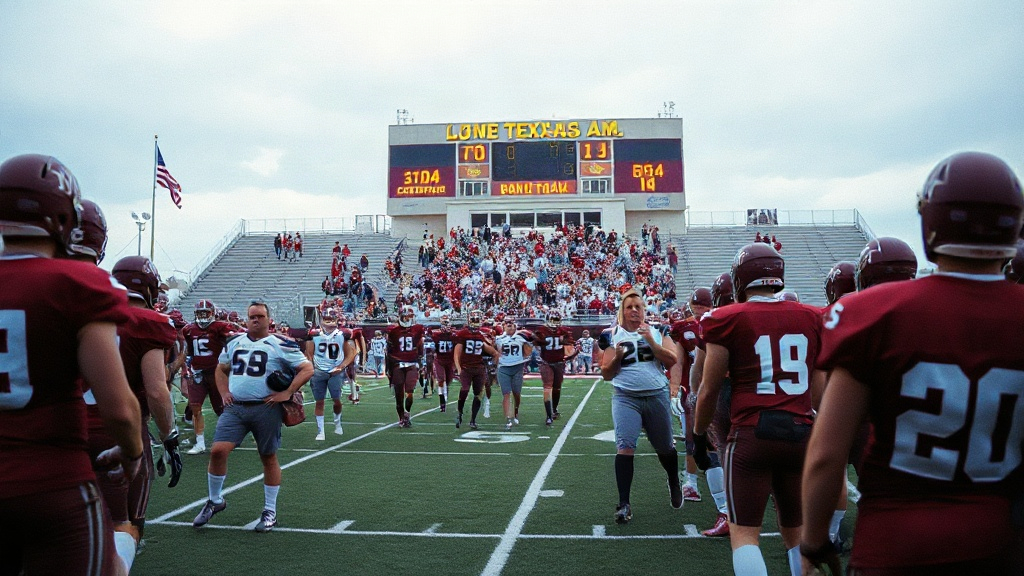
CANYON, Texas — The West Texas A&M University Buffaloes football program hosts the Western New Mexico University Mustangs this Saturday at Bain-Schaeffer Buffalo Stadium, marking the center of the university's annual Homecoming week in Canyon, Texas.
The matchup serves as an important Lone Star Conference fixture for both Division II programs as the regular-season schedule enters its mid-autumn stretch. West Texas A&M heads into the contest focused on establishing offensive tempo and tightening defensive execution on its home turf, while Western New Mexico travels east to spoil the host university's campus celebrations.
According to the official Gobuffsgo.com dispatch, game day operations, campus tailgating traditions, and team preparations are finalized for kickoff, bringing together thousands of alumni, students, and regional supporters to the Texas Panhandle facility.
Lone Star Conference Stakes and Tactical Matchups
Every conference fixture in the Lone Star Conference carries major postseason weight, where teams battle for regional tournament seeds and national ranking consideration within NCAA Division II Super Region Four. For head coach Josh Lynn and his coaching staff, this home stand presents an opportunity to execute fundamental game plans against a conference opponent that historically relies on quick-strike plays.
The Buffaloes enter the contest emphasizing time of possession and ball security. In previous weeks, offensive consistency between the tackles allowed West Texas A&M to dictate tempo, relieving pressure on its young offensive front and establishing passing lanes for downfield targets.
Western New Mexico enters the contest seeking to exploit spatial gaps in the Buffaloes' secondary. The Mustangs run an offense designed to spread the field, challenging linebackers to make open-field tackles on perimeter bubble screens and wide-receiver swing passes.
Defensively, West Texas A&M has structured its preparation around gap integrity against the run. When the defensive front controls the line of scrimmage without committing extra safeties into the tackle box, the Buffaloes effectively neutralize dual-threat quarterbacks and limit yards gained after initial contact.
The Atmosphere and Operational Scale of Bain-Schaeffer Buffalo Stadium
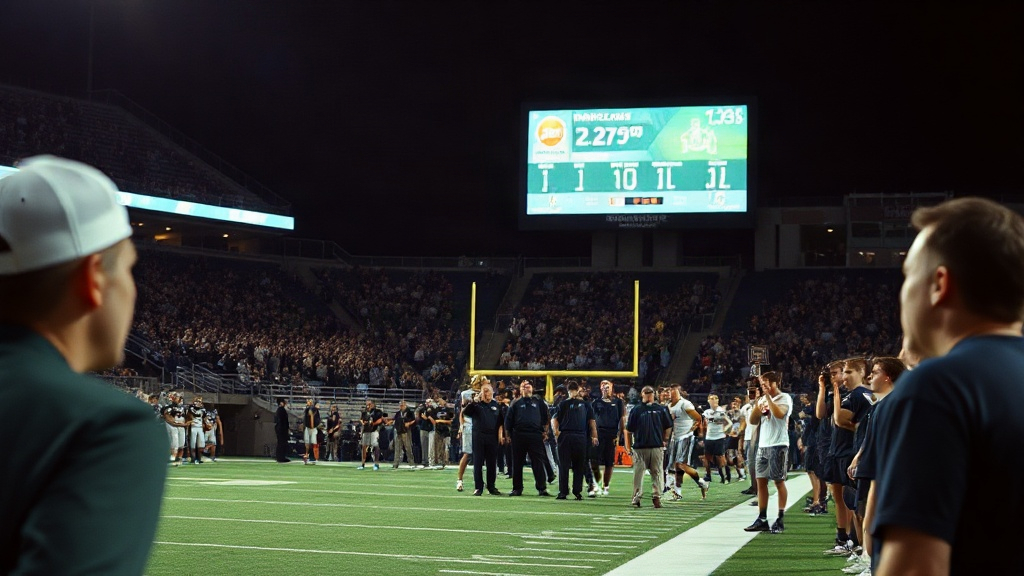
Bain-Schaeffer Buffalo Stadium, which opened on the Canyon campus in 2019, represents one of the premier athletic venues in NCAA Division II football. With a seating capacity exceeding 8,500 and field-level amenities designed to mirror top-tier FCS and FBS facilities, the venue serves as a focal point for institutional recruitment and alumni engagement.
Homecoming weekend typically drives the highest single-game attendance figures of the autumn calendar. Campus officials have scheduled student parades, pep rallies, and donor banquets in conjunction with Saturday's kickoff, creating a packed atmosphere across the 26th Street corridor.
Institutional reporting highlighted in the West Texas A&M athletic schedule shows that early ticket distributions and alumni reservations indicate near-capacity crowds for the afternoon contest. Managing sideline communications, game-day logistics, and visiting travel parties requires extensive coordination between campus police, athletic facility directors, and Lone Star Conference event delegates.
Visiting teams frequently face communication challenges in the bowl-shaped venue, where crowd noise can disrupt snap counts and force pre-snap offensive penalties. The Buffaloes intend to leverage that home-field energy to disrupt Western New Mexico's audible signals at the line of scrimmage.
Historical Series Context and Conference Trajectories
West Texas A&M and Western New Mexico share a history rooted in the regional geography of the American Southwest. Since Western New Mexico joined the Lone Star Conference, matchups between the two schools have produced high-scoring displays and tactical adjustments across all three phases of the game.
Historically, the Buffaloes have defended their home field against the Mustangs with balanced rushing attacks and physical interior line play. However, recent conference realignment and evolving transfer rules have created roster turnover across Division II rosters, narrowing talent gaps between established programs and developing contenders.
Coverage documented through the West Texas A&M game day preview notes that coaching adjustments during third-down scenarios remain the decisive metric in recent meetings between these two squads. Teams that sustain long drives and convert at better than a 40 percent rate inside the red zone have consistently dictated the outcome in this series.
Western New Mexico relies on athletic playmakers capable of flipping momentum through special teams returns or unexpected turnovers. The Buffaloes' coaching staff dedicated significant portions of midweek practices to kickoff and punt coverage units to prevent field position disadvantages.
Roster Health, Conditioning, and Mid-Season Depth
By mid-October, physical durability and roster depth determine how programs handle the grueling grind of a Lone Star Conference schedule. Small colleges operate with tighter athletic training resources and smaller travel rosters than their Division I counterparts, placing a premium on injury rehabilitation and depth rotation.
West Texas A&M has utilized an active rotation along both the offensive and defensive lines to preserve player health for fourth-quarter execution. Keeping interior defensive tackles fresh allows the defensive unit to maintain quarterback pressure late into games when opponents transition into pass-heavy two-minute drills.
Similarly, managing wear and tear on primary ball carriers remains critical. The Buffaloes plan to utilize multiple running backs to share rushing duties, creating distinct running styles that force opposing linebackers to adjust their tackling angles.
The Mustangs face their own physical demands after making the long road trip from Silver City, New Mexico, across the high plains to Canyon. Managing travel fatigue and adjusting to rapid autumn weather shifts in the Panhandle are perennial factors for visiting programs entering Buffalo Stadium.
Strategic Focus: Turnovers and Red Zone Efficiency
Statistical trends in Lone Star Conference play demonstrate that turnover margin correlates directly with victory. In games decided by eight points or fewer, teams winning the turnover battle claim victory in more than 80 percent of conference contests.
West Texas A&M has placed particular emphasis on red zone defensive stops throughout game preparation. Forcing visiting offenses to settle for field goal attempts rather than allowing seven-point touchdowns provides the host team with significant strategic leverage as second-half adjustments take hold.
Offensively, the Buffaloes must avoid pre-snap false starts and holding penalties that place drives behind schedule. When Lynn's offense stays in manageable third-down situations—third-and-four or shorter—their playbook opens up multiple run-pass option looks that keep opposing defensive coordinators off-balance.
Western New Mexico will almost certainly test the discipline of the Buffaloes' linebackers using play-action bootlegs and tight-end seam routes. Reading pre-snap defensive indicators accurately and communicating adjustments across the secondary will determine whether West Texas A&M can limit sudden explosive scoring plays.
What Comes Next for Both Programs
Following the final whistle of Saturday's Homecoming game, West Texas A&M faces the remaining hurdles of its Lone Star Conference calendar, with upcoming road trips and season-defining regional fixtures looming. A decisive victory on Saturday would strengthen the Buffaloes' standing in the regional rankings and solidify positive momentum for the final month of the regular season.
Conversely, a setback at home would introduce complex mathematical hurdles in the race for postseason placement, where every conference defeat limits margin for error. For Western New Mexico, securing a road upset against a marquee conference opponent would represent a defining milestone for their football program this season.
Detailed post-game box scores, statistical recaps, and coach press conferences will be published through the official West Texas A&M athletics portal immediately following the completion of the contest, establishing the official record for this year's Homecoming edition.