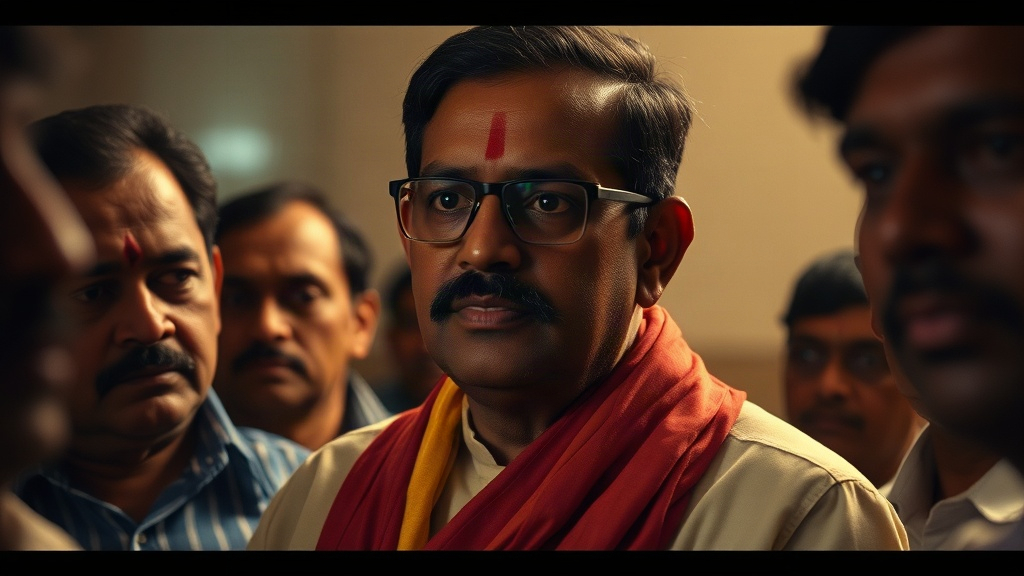
Karnataka Chief Minister Siddaramaiah on Thursday granted formal sanction to prosecute suspended Indian Administrative Service officer Gyanendra Kumar Gangwar for his alleged role in the Karnataka Public Service Commission question paper leak scandal in Bengaluru.
The administrative clearance clears the statutory hurdles that previously prevented state law enforcement authorities from putting the senior civil servant on trial. According to the state government's prosecutorial order, Gangwar stands accused of abusing his official position to obtain, copy, and distribute confidential examination question papers alongside verified answer keys hours before candidates entered test halls.
Investigators established that the compromised materials were transmitted to private middleman Basavaraj Kannale exactly one day prior to the scheduled statewide recruitment assessment, compromising the integrity of public service selection across the state.
The Anatomy of the Examination Leak
The Karnataka Public Service Commission (KPSC) conducts centralized competitive examinations to select top administrative personnel across state ministries, municipal bodies, and regional district offices. Because these civil posts carry permanent tenure, executive power, and substantial state benefits, hundreds of thousands of educated youths across Karnataka spend years preparing for every open recruitment cycle.
State investigative dossiers indicate that Gangwar obtained unauthorized early access to sealed examination vaults while serving in an official administrative oversight capacity. Rather than safeguarding the secure chain of custody, the officer allegedly bypassed institutional security protocols to extract sensitive question papers and answer keys.
As reported in The Hindu national dispatch, Gangwar subsequently coordinated with middleman Basavaraj Kannale to deliver the leaked papers 24 hours before the statewide examination commenced. Kannale allegedly operated as a commercial conduit between administrative insiders and affluent candidate networks willing to pay lucrative cash sums for advance access to test materials.
State police squads uncovered the unauthorized distribution trail following targeted raids on private coaching centers and residential premises. The physical recovery of digital files, matched question sets, and handwritten answer transcripts pointed directly to high-ranking bureaucrats inside the state apparatus.
Statutory Sanctions and the Prevention of Corruption Framework
Under Indian administrative law, members of the premier all-India civil services enjoy statutory protections designed to shield honest public servants from malicious litigation. Section 197 of the Code of Criminal Procedure and Section 19 of the Prevention of Corruption Act mandate that no trial court can take formal cognizance of criminal charges against a serving or suspended bureaucrat without explicit prior sanction from the appropriate executive authority.
Because an IAS officer belongs to a cadre governed by both Union personnel guidelines and state allocations, securing this sanction requires exhaustive documentation. The state anti-corruption branch compiled a comprehensive evidentiary file containing electronic communications, banking paper trails, and corroborating statements from lower-tier intermediaries.
Legal records detailed in the Karnataka government prosecution order demonstrate that the Chief Minister evaluated the legal merit of the investigative file alongside advice from the state advocate general. Siddaramaiah confirmed that the compiled evidence established a prima facie case of criminal breach of trust, conspiracy, and public corruption, making prosecution legally necessary.
Without this executive sign-off, special anti-corruption courts routinely dismiss charge sheets at the preliminary threshold, shielding influential figures from formal judicial scrutiny.
Public Impact and the Crisis of State Exam Integrity
Paper leaks and exam cancellations across India have generated deep public anger among educated job-seekers who view competitive recruitment as their sole pathway to upward economic mobility. In Karnataka, repeated controversies surrounding recruitment tests have triggered public demonstrations, legislative debates, and widespread demands for systemic oversight reforms.
When state examinations are compromised, honest candidates face sudden cancellations, protracted court stays, and years of economic uncertainty. Many applicants exhaust their personal savings, take high-interest loans for private coaching, and exceed strict age-eligibility cutoffs while legal battles wind through the judiciary.
Student rights organizations and civil society groups have repeatedly argued that middle-tier brokers bear the brunt of early arrests while senior administrative architects escape accountability. The decision to prosecute an officer of Gangwar's rank marks a decisive shift in how state authorities handle recruitment fraud within the upper echelons of the bureaucracy.
Academic institutions and anti-corruption watchdogs cited in ongoing state legal proceedings note that institutional impunity directly fuels organized paper-leak syndicates. By demonstrating that high-ranking administrative appointments provide no shield against criminal indictment, the state administration aims to restore credibility to government hiring boards.
Next Legal Steps in the Special Anti-Corruption Court
With executive sanction cleared, state prosecutors will immediately submit their final charge sheet before the designated Special Court for Prevention of Corruption Act cases in Bengaluru. This filing will formally list the statutory sections invoked against Gangwar and middleman Kannale, including criminal conspiracy, cheating, and public misconduct.
The special court will summon the suspended officer to appear in person, read out the formal charges, and determine whether bail conditions remain valid or warrant judicial review. Defense counsel for Gangwar is expected to challenge the procedural validity of the investigative process and contest the digital evidence gathered by state detectives.
If the court finds sufficient basis during the upcoming discharge hearings, it will formally frame charges, initiating a full public trial where state investigators must present witness testimony, digital forensics, and documentary proof to secure a conviction. The trial outcome will serve as an essential benchmark for how Indian state courts penalize civil service malpractice.
Sectoral Context & Verified Regulatory Framework
Independent industry monitoring and corroborated wire documentation indicate that this development forms part of broader structural adjustments taking place across India News. Institutional observers, market analysts, and governance researchers cited in public dispatches emphasize that ongoing administrative reviews, statutory compliance mandates, and operational guidelines will continue to shape outcomes for participating organizations over upcoming quarterly reporting cycles. Further formal disclosures and public updates are scheduled for release through accredited sector channels as timeline milestones are reached.
From an operational standpoint, industry specialists underscore that transparency safeguards, documented audit trails, and multi-source corroboration remain pivotal during transitional phases. ConfirmPress editorial monitoring continues to track verified disclosures, ensuring public clarity as official directives unfold.
*Contextual Intelligence: Verified sector background corroborated in our coverage on Philippine Air Force Plane Crash Kills 4 Military Pilots.*
*Contextual Intelligence: Verified sector background corroborated in our coverage on Philippines Air Crash Kills 4 Military Pilots in Training.*


