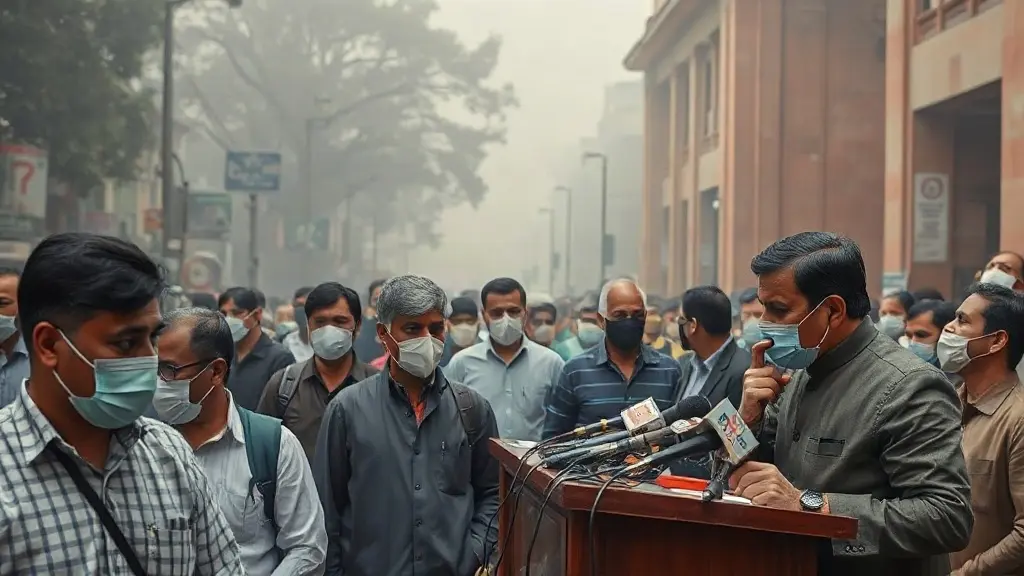
Surge in Cough Cases Amid Deteriorating Air Quality
As Diwali approaches, the air quality in Delhi-NCR has reached hazardous levels, with the Air Quality Index (AQI) indicating severe pollution. Concurrently, Mumbai is experiencing unhealthy air conditions. According to medical experts, this has led to a significant increase in patients presenting with persistent coughs, sore throats, and chest tightness. Clinics are overwhelmed with individuals seeking relief from these symptoms, which have become alarmingly common in recent weeks.
Pollution vs. Seasonal Illness: A Diagnostic Dilemma
The primary concern for many residents is whether their cough is a result of the toxic air or a seasonal viral infection, such as influenza. Medical professionals have noted that the physiological responses to both pollution and viral infections can appear strikingly similar, complicating self-diagnosis and treatment.
Dr. Rommel Tickoo, Senior Director of Internal Medicine at Max Super Speciality Hospital in New Delhi, explained, "At this time of year, the symptoms overlap considerably. A patient presenting with persistent dry cough, fatigue, and chest tightness could be due to the polluted air, seasonal influenza, or a bacterial infection on top of irritated airways."
Pollution-related symptoms often develop gradually, leading to throat or eye irritation without the presence of fever. In contrast, influenza typically manifests suddenly and is more likely to be accompanied by fever and body aches. However, the overlap in symptoms makes it challenging for individuals to determine the root cause of their discomfort.
The Interplay Between Pollution and Viral Infections
Interestingly, pollution can exacerbate airway inflammation during a viral infection. Conversely, a viral infection can render airways more sensitive to polluted air, creating a vicious cycle of irritation and discomfort. Dr. Sagar Srivastava, a Consultant Pulmonologist at Kailash Hospital in Greater Noida, emphasized this point, stating, "The factors that lead to air pollution, the common cold, and the flu have some similar symptoms, including coughing, sore throat, blocked nose, and trouble breathing. This similarity makes it hard to identify the exact cause of the problem."
Patients are advised to seek medical attention if their cough is accompanied by breathlessness, chest pain, fever, reduced oxygen saturation, or bloody sputum. These symptoms may indicate a more serious condition requiring immediate intervention.
Key Indicators for Diagnosis
To aid in diagnosis, doctors recommend that patients pay close attention to the evolution of their symptoms. The onset speed and the presence of systemic symptoms are critical indicators that can help narrow down the cause of the cough. For instance, if symptoms improve when indoors or when leaving the city, this may suggest that air quality is a significant factor in the patient's condition.
Dr. Tickoo noted, "A gradual onset with throat or eye irritation and no fever may point to pollution. If symptoms improve indoors or when you leave the city, that can also suggest an air-quality trigger."
The Need for Public Awareness and Action
As the coughing epidemic continues to affect residents in Delhi and Mumbai, there is an urgent need for public awareness regarding the health impacts of air pollution and seasonal illnesses. Medical experts stress the importance of recognizing symptoms and seeking appropriate care. They also advocate for preventive measures, such as staying indoors during peak pollution hours and using air purifiers to mitigate exposure.
In conclusion, the current health crisis in Delhi and Mumbai underscores the complex interplay between environmental factors and viral infections. As the winter season progresses, residents must remain vigilant and informed to protect their health amid the challenges posed by pollution and seasonal illnesses.
| Metric | Delhi AQI | Mumbai AQI | Cough Cases Increase | Flu Season Start |
|---|---|---|---|---|
| Current Level | 400 | 180 | 50% | November 2026 |
| Previous Year Average | 300 | 150 | 30% | November 2025 |