The Cost of Coffee in Bengaluru's Cafes
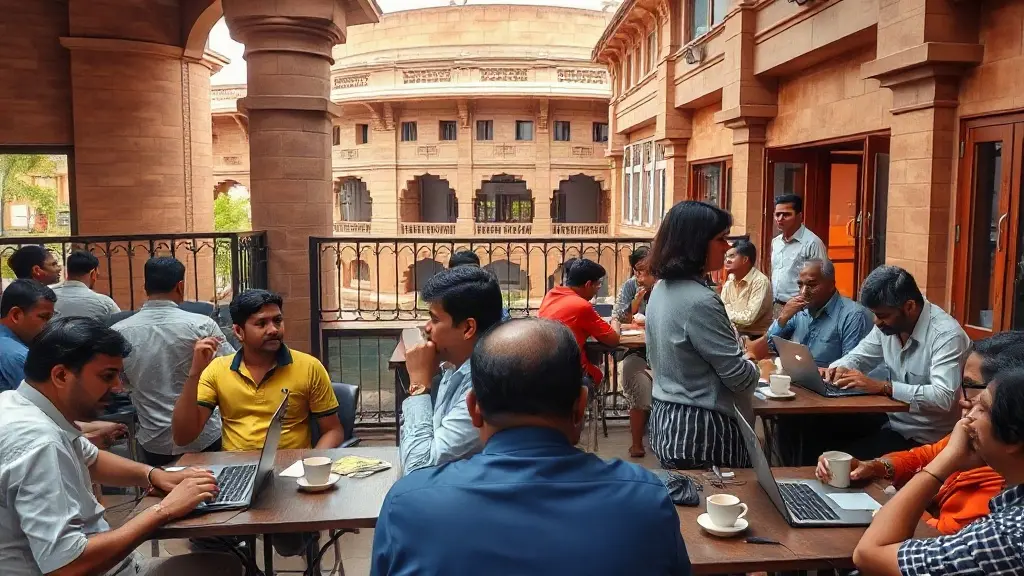
In Bengaluru's bustling Indiranagar neighborhood, a cafe owner is grappling with a troubling trend that threatens his business model. After investing between ₹60 to ₹80 lakh to establish his cafe, he is now facing significant financial losses due to customers who purchase a single cup of coffee for ₹150 and then occupy tables for hours, sometimes the entire day. This phenomenon, often referred to as "table squatting," is becoming increasingly common in cafes that offer free Wi-Fi and comfortable working environments.
The issue came to light when a user on social media shared the plight of his friend, the cafe owner, who is struggling to maintain a steady flow of customers. The post highlighted how a few patrons, after ordering a modestly priced beverage, monopolize the seating, leaving new customers unable to find a place to sit. This not only affects the cafe's immediate revenue but also its long-term viability as potential customers walk away disappointed.
The Impact of Table Squatting on Revenue
According to the cafe owner, the financial implications of this behavior are severe. When a customer occupies a table for an extended period without making additional purchases, the cafe loses out on potential sales from other customers who might have entered the establishment. The owner noted, "When new customers come in and see that all the tables are occupied, they often leave without making a purchase. This is a direct loss of revenue."
The situation is exacerbated by the modern consumer's reliance on online reviews and ratings. A single negative review can deter future customers, making it risky for the owner to ask patrons to vacate their tables. As the social media post pointed out, "He can’t ask the customers to leave as one negative Google review can hamper the reputation of the place."
The Pricing Dilemma: More Than Just Coffee
The post also sparked a discussion about the pricing strategies of larger coffee chains like Starbucks and Café Coffee Day (CCD). Many users pointed out that these establishments charge higher prices not just for the quality of their coffee but also for the time and space they provide. Customers are effectively paying for the privilege of using the cafe as a workspace, which includes the cost of maintaining the premises and providing amenities like Wi-Fi.
One user commented, "Now I get why cafes like Starbucks, CCD, and Third Wave Coffee have such atrocious prices for coffee and snacks. As a customer, you’re paying for renting the chair as well along with ordering the coffee." This perspective sheds light on the broader economic realities that independent cafe owners face in a competitive market.
Possible Solutions and Customer Reactions
In response to the growing concern over table squatting, several suggestions have emerged from the online community. Some users proposed implementing a policy where customers are charged based on their time spent in the cafe. One comment suggested, "Just simply add an average stay time on the receipt. Simple." Another user added, "One coffee for every hour spent. Make it a polite rule."
These ideas reflect a growing awareness among customers about the challenges faced by cafe owners. However, implementing such policies could be tricky. The cafe owner must balance maintaining a welcoming atmosphere while ensuring that his business remains profitable.
The Future of Cafes in Bengaluru
As the trend of remote work continues to rise, cafes in Bengaluru must adapt to the changing landscape. The challenge lies in creating an environment that attracts customers while also ensuring that the business remains sustainable. The cafe owner in Indiranagar is not alone in facing these issues; many small business owners across the city are grappling with similar challenges.
The situation raises important questions about the future of cafes as social and workspaces. Will independent cafes be able to compete with larger chains that have the resources to manage customer flow more effectively? Or will they need to rethink their business models entirely?
As the cafe owner navigates this difficult terrain, he remains hopeful that with the right strategies and community support, he can turn his fortunes around. The conversation sparked by the social media post serves as a reminder of the delicate balance between customer satisfaction and business sustainability in the ever-evolving landscape of Bengaluru's cafe culture.
| Metric | Value |
|---|---|
| Initial Investment | ₹60-80 lakh |
| Average Coffee Price | ₹150 |
| Customer Occupancy Duration | Hours/Day |
| Potential Loss per Customer | Varies |
| Impact on New Customers | High |