In Bengaluru's bustling Indiranagar, a cafe owner is grappling with a significant challenge that threatens the viability of his business. After investing between ₹60 to ₹80 lakh to establish his cafe, he now faces dwindling returns due to a growing trend of customers overstaying their welcome after purchasing a single cup of coffee priced at ₹150. This situation has sparked discussions about the sustainability of cafe businesses in a city where working from cafes has become a norm.
The Rise of Table Squatting in Cafes
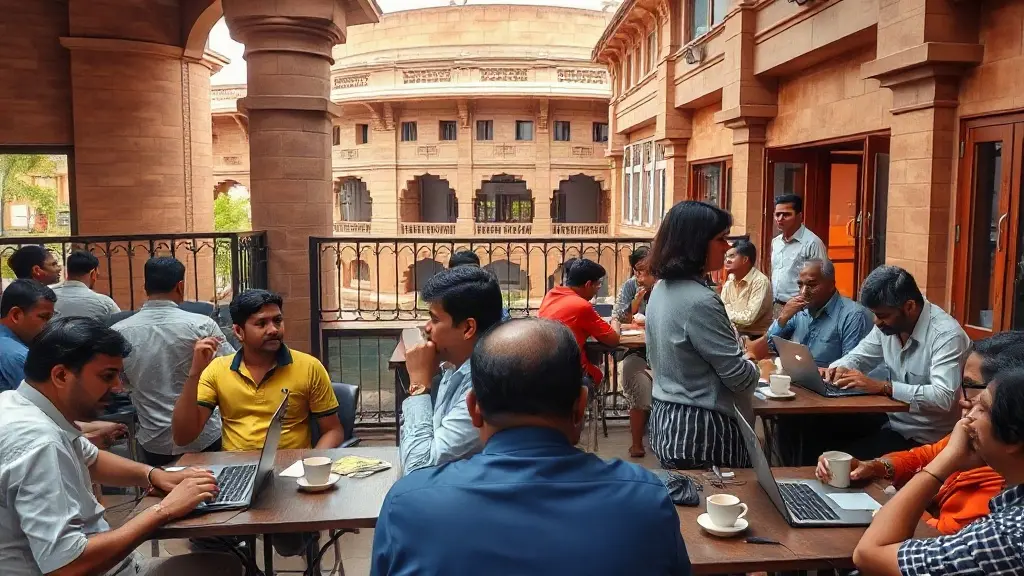
The issue of table squatting has become increasingly prevalent in cafes across urban India, particularly in tech hubs like Bengaluru. Customers often purchase a low-cost beverage and then occupy tables for extended periods, sometimes the entire day. This behavior not only affects the cafe's revenue but also deters new customers who find the establishment full.
A recent post on social media highlighted the plight of the cafe owner, revealing that while he invested a substantial amount into his business, the returns are limited due to this squatting phenomenon. "My school friend opened a brand new cafe in Indiranagar, Bangalore, investing roughly ₹60-70 lakhs. However, his biggest problem right now is that a couple of customers order a single ₹150 cup of coffee, open a laptop, and sit there for hours (sometimes even for the whole day)," the post read.
The Financial Impact of Overstaying Customers
The financial implications of this trend are stark. When customers occupy tables for long durations without making additional purchases, the cafe owner suffers a loss of potential revenue. According to the cafe owner’s friend, this not only limits the income from existing customers but also leads to a loss of new clientele who leave when they find no available seating.
"When a customer keeps a table occupied for a long time without spending more than one coffee, the owner ends up making a loss," the post elaborated. This situation creates a vicious cycle where the cafe struggles to maintain profitability while trying to accommodate customers who may not contribute to its financial health.
The Dilemma of Customer Service and Reputation
The [[cafe owner faces](/bengaluru-cafe-owner-faces-losses-as-customers-squat-over-coffee)](/bengaluru-cafe-owner-faces-losses-as-customers-squat-over-coffee-2) a difficult dilemma: how to manage overstaying customers without damaging the cafe's reputation. In an age where online reviews can make or break a business, the fear of receiving negative feedback looms large. A single unfavorable review can deter potential customers, leading to a decline in foot traffic.
As one commenter on the social media post pointed out, "Obviously, he can’t ask the customers to leave as one negative Google review can hamper the reputation of the place." This highlights the precarious balance cafe owners must strike between customer service and business sustainability.
Pricing Strategies of Established Chains
The situation has led to a deeper understanding of why established coffee chains like Starbucks and Café Coffee Day charge higher prices for their beverages. Customers are not merely paying for the coffee but also for the space and time they occupy within the establishment. The cost of maintaining a comfortable environment, providing WiFi, and allowing customers to work or socialize is factored into the pricing.
A user commented, "Now I get why cafes like Starbucks, CCD, and Third Wave Coffee have such atrocious prices for coffee and snacks. As a customer, you’re paying for renting the chair as well along with ordering the coffee." This perspective sheds light on the operational costs that smaller cafes may struggle to cover while competing with larger chains.
Possible Solutions and Community Feedback
In light of these challenges, community feedback has suggested various strategies that cafe owners could implement to mitigate the impact of table squatting. Some users proposed adding an average stay time on receipts or instituting a polite rule that requires customers to order one coffee for every hour spent in the cafe.
"Just simply add an average stay time on the receipt. Simple," one user suggested. Another added, "One coffee for every hour spent. Make it a polite rule." These solutions aim to create a more equitable environment for both the cafe owner and the customers, ensuring that the business remains profitable while still providing a welcoming space for patrons.
Conclusion: The Future of Cafes in Bengaluru
As the trend of working from cafes continues to grow, the challenges faced by cafe owners in Bengaluru will likely intensify. The balance between providing a comfortable space for customers and maintaining a profitable business model is delicate. Without effective strategies to manage table squatting, many cafes may find themselves struggling to survive in a competitive market. The experiences of this Indiranagar cafe owner serve as a cautionary tale for aspiring entrepreneurs in the food and beverage industry, highlighting the need for innovative solutions to adapt to changing consumer behaviors.
| Metric | Value |
|---|---|
| Initial Investment | ₹60-80 lakh |
| Price of Coffee | ₹150 |
| Average Customer Stay | 4-8 hours |
| Potential Loss per Customer | ₹150 |
| Estimated New Customers Lost | 30% |