Historical Significance of Malshahi Masjid
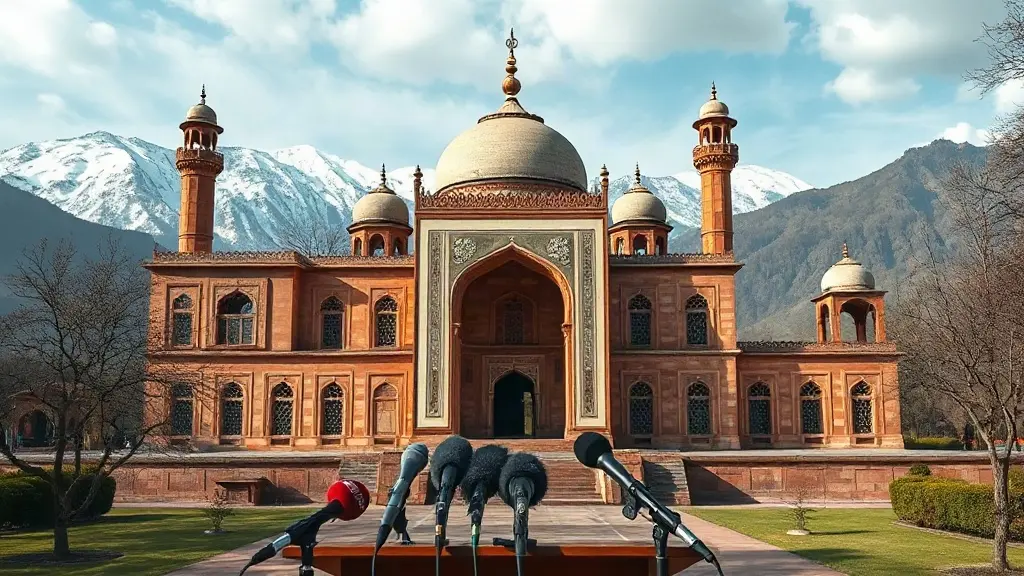
The Malshahi Masjid, a 17th-century mosque located in the Ganderbal district of Kashmir, is not just a religious structure but a significant piece of Mughal heritage. Built during the reign of Dara Shikoh, the mosque is closely associated with the Sufi order and figures like Akhund Mulla Shah, who played a pivotal role in the region's spiritual and cultural landscape. This mosque, with its unique architectural features and historical context, offers a rare glimpse into the past, making its conservation a matter of utmost importance.
In May 2026, Jammu and Kashmir Chief Minister Omar Abdullah laid the foundation stone for a ₹5.01 crore restoration project aimed at revitalizing the Malshahi Masjid and its surrounding areas. While the initiative is seen as a step towards preserving Kashmir's rich heritage, experts have raised alarms about the potential risks involved in the restoration process.
Conservation Concerns Raised by Experts
Jan Haenraets, a noted landscape architect and historic preservation specialist, has voiced strong concerns regarding the current conservation plan. He emphasizes that the mosque's significance lies not only in its physical structure but also in its historical associations. "The mosque is distinctive in its materiality and position within a terrace garden, which sets it apart from other Mughal-era mosques in the region, such as Pathar Masjid and Mulla Shah Masjid," Haenraets stated in an interview with ConfirmPress.
Haenraets further elaborated on the importance of maintaining the mosque's original materials and architectural integrity. He warned that any alterations made during the restoration could erase crucial layers of history that define the mosque's character. The ongoing changes, including the laying of stone pavements, have already sparked debates among conservationists about the appropriateness of such modifications.
The Restoration Project: A Double-Edged Sword
The restoration project, while well-intentioned, poses a dilemma for conservationists. On one hand, it aims to restore a neglected historical site that has been unattended for centuries. On the other hand, it risks compromising the very elements that make the Malshahi Masjid a unique representation of Mughal architecture in Kashmir.
Experts argue that a thorough conservation plan is essential before proceeding with any restoration work. This plan should include detailed assessments of the mosque's current condition, documentation of its historical significance, and strategies for preserving its original materials. Without such measures, the project could inadvertently lead to the loss of invaluable historical context.
Community Perspectives on the Restoration
Local residents have mixed feelings about the restoration of Malshahi Masjid. Some view it as a positive development that could enhance tourism and revive interest in Kashmir's rich cultural heritage. Others, however, share the concerns of conservationists, fearing that the restoration may prioritize aesthetics over authenticity.
"We want to see our heritage preserved, not altered. The mosque is a part of our identity, and any changes should respect its history," said a local resident who wished to remain anonymous. This sentiment reflects a broader concern among community members about the balance between modernization and heritage conservation.
The Path Forward: Balancing Restoration and Preservation
As the restoration project progresses, the challenge remains to find a balance between revitalizing the Malshahi Masjid and preserving its historical integrity. Conservationists advocate for a collaborative approach that involves local communities, historians, and preservation experts in the decision-making process.
A successful restoration should not only focus on physical repairs but also on educating the public about the mosque's historical significance. Engaging the community in discussions about the restoration can foster a sense of ownership and responsibility towards preserving their heritage.
In conclusion, while the restoration of Malshahi Masjid represents an opportunity to revive a significant piece of Kashmir's history, it must be approached with caution. The voices of conservationists and the local community must be heard to ensure that the project honors the mosque's Mughal-era legacy rather than erasing it.
| Metric | Value |
|---|---|
| Year of Construction | 17th Century |
| Restoration Cost | ₹5.01 crore |
| Location | Ganderbal, Kashmir |
| Key Historical Figures | Dara Shikoh, Akhund Mulla Shah |
| Current Status | Under Restoration |