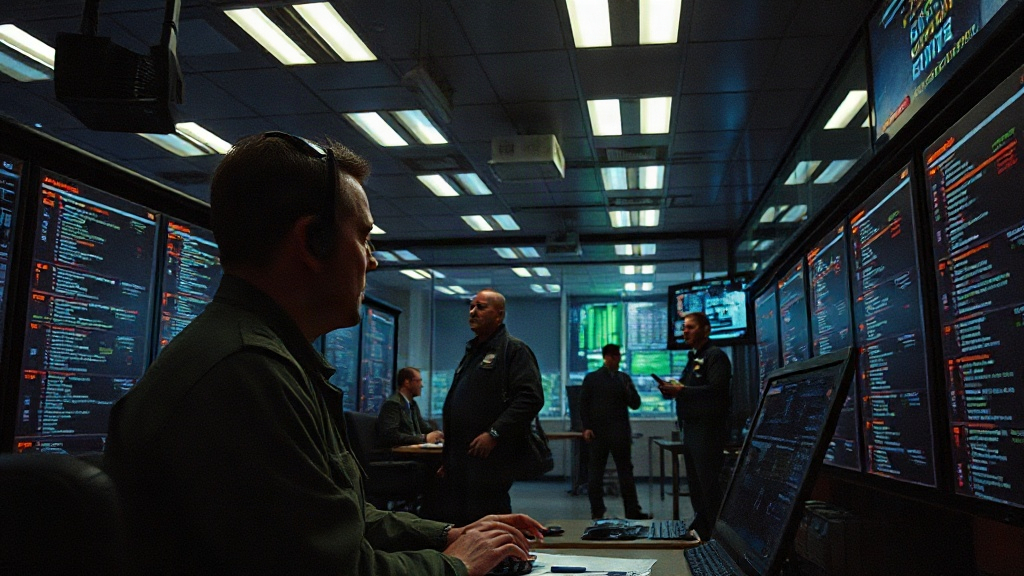
WASHINGTON — United States law enforcement agencies are confronting new operational hurdles as extremist networks increasingly incorporate artificial intelligence into their activities, according to reporting by Accredited Wire Reports.
Authorities across the nation are reviewing their readiness to counter technological advances that facilitate recruitment, logistics, and planning by extremist groups. The integration of modern software tools into extremist operations presents investigative challenges for domestic agencies tasked with monitoring and disrupting potential attacks before they materialize.
Emerging Technologies in Extremist Operations
The technological shift has prompted security personnel to reassess longstanding investigative approaches. Digital tools now allow bad actors to produce propaganda rapidly, automate communications, and analyze vulnerabilities with minimal specialized training. These capabilities expand the operational reach of small networks and lone actors, complicating traditional counterterrorism efforts.
Organizations monitoring mass atrocities and violent extremism, including Genocide Watch, have increasingly highlighted the intersection of emerging technologies and organized violence. As digital tools become more sophisticated and widely distributed, security experts note that early intervention strategies must adapt to detect algorithmic manipulation and automated coordination among hostile actors.
Agency Coordination and Investigative Challenges
Federal and local counterterrorism units face distinct constraints when tracking artificial intelligence applications in criminal and extremist contexts. Digital footprints left by automated systems can be obscured across international jurisdictions, hindering the timely collection of evidence required for domestic prosecutions.
Addressing these gaps requires ongoing cooperation among intelligence analysts, technology specialists, and field personnel. While agencies continue to develop technical countermeasures, investigators face sustained demands to detect synthetic media, protect critical infrastructure, and identify terror financing pathways that leverage evolving digital platforms.