Special religious observances have commenced at the historic Tuljabhavani temple in observance of the annual Navratri festival, with priests adorning the deity in the traditional Mahishasuramardini avatar, according to reporting by Accredited Wire Reports.
The auspicious presentation depicts the goddess in her warrior form, a sacred tradition observed during the multi-day Hindu festival. The seasonal rites draw devotees from across the region to witness the unique ceremonial decorations and offer prayers during this revered religious period.
Navratri Rites at Tuljapur
The Tuljabhavani temple, situated in Maharashtra, serves as a primary center of worship during the Navratri celebrations. Each day of the festival features distinct rituals and traditional adornments representing various manifestations of the goddess.
Temple priests perform scheduled daily pujas, recitations, and traditional offerings in accordance with long-standing customs, maintaining the ceremonial schedule established for the annual celebrations. The Mahishasuramardini form holds particular cultural and spiritual prominence during the festivities, signifying strength and the triumph of righteousness.
Festival Observations and Devotional Customs
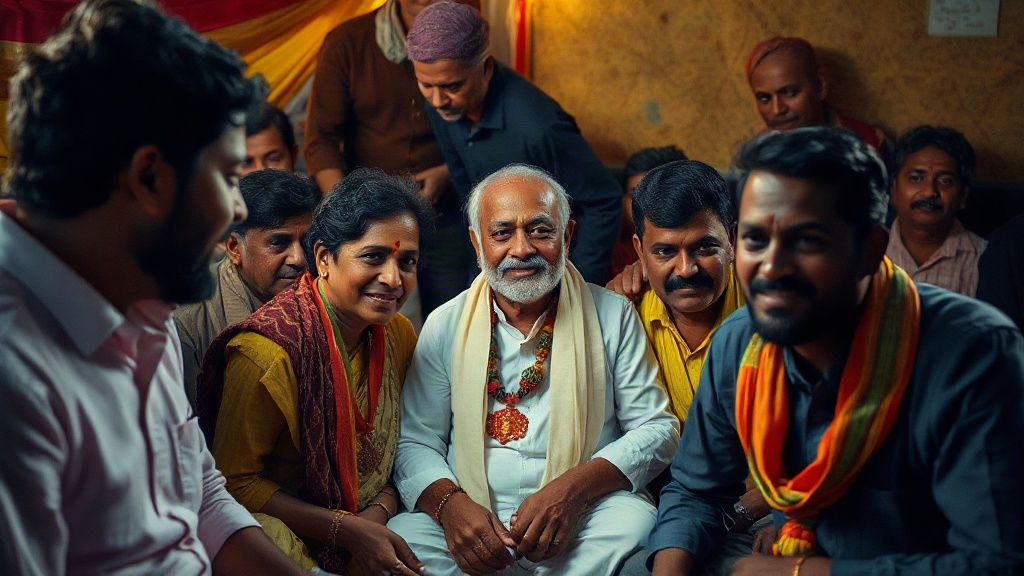
Throughout the Navratri period, the temple administration oversees arrangements to accommodate the continuous flow of worshippers arriving to participate in the religious services. Pilgrims gather to observe the ornate decorations and witness the specific daily forms taken by the deity.
Navratri celebrations remain a focal point of annual religious life across Maharashtra, with the Tuljabhavani shrine functioning as one of the state's most prominent pilgrimage destinations. Religious ceremonies, morning rituals, and evening aartis continue through the concluding days of the festival.