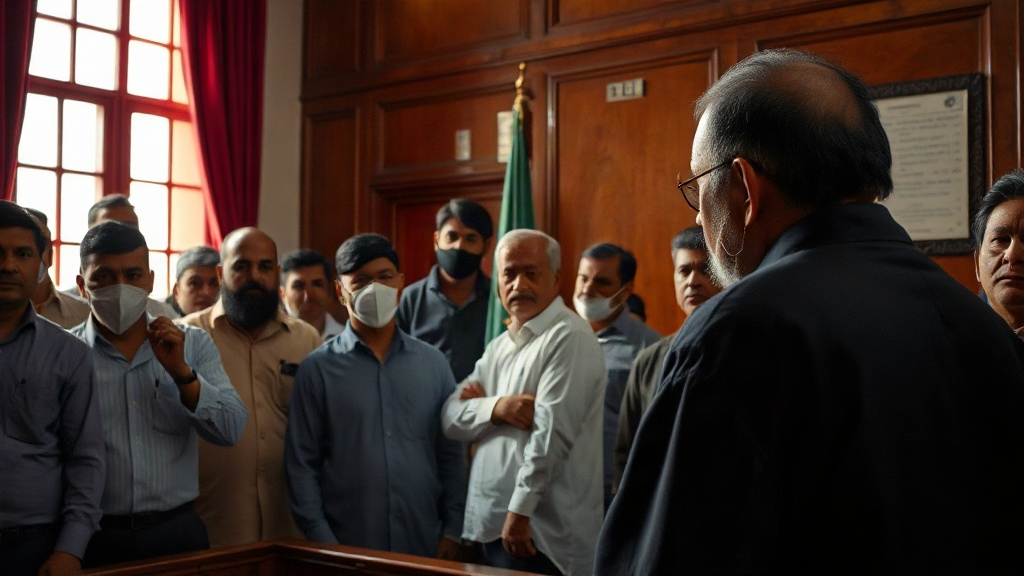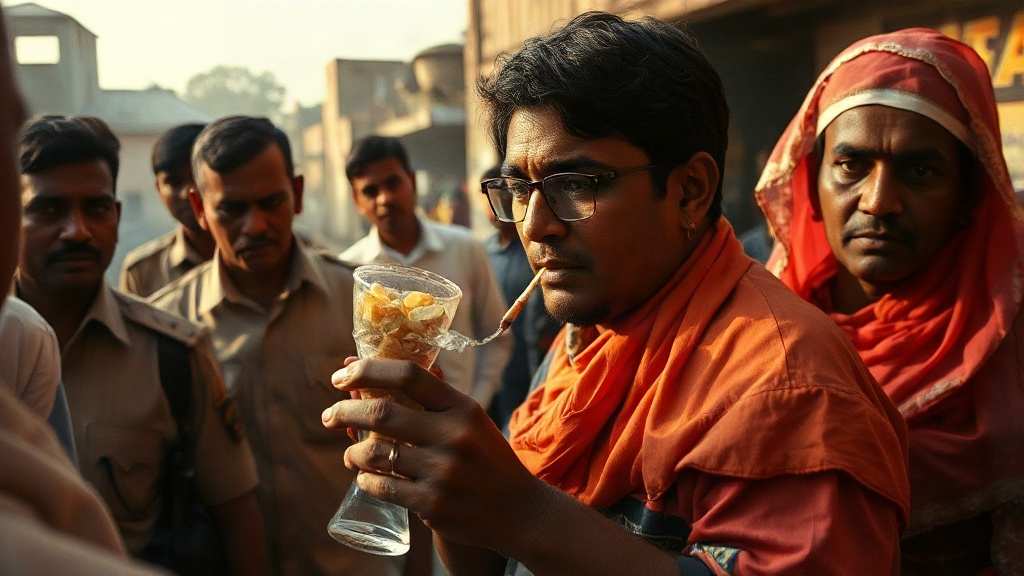
MUMBAI — Food safety enforcement teams across Maharashtra confiscated illicit gutkha, scented tobacco, and substandard food products valued at ₹3.11 crore following coordinated surveillance operations in Mumbai, Jalna, and surrounding districts.
The enforcement drive, executed by the state’s Food and Drugs Administration (FDA), targeted multi-district transport conduits and clandestine storage hubs used by illegal distributors. Detailed findings shared by state regulators through The Hindu — National dispatch confirmed that dedicated raids in Mumbai and Jalna alone yielded ₹93.42 lakh worth of contraband, including commercial delivery vehicles and logistical processing equipment.
State food safety officers intercepted hidden consignments at regional transit checkposts and raided unlicensed commercial warehouses after receiving actionable intelligence regarding prohibited tobacco movement. The operations form part of an expanded regulatory directive aimed at curtailing the persistent flow of banned chewing tobacco and unhygienic snack foods manufactured outside state borders.
Coordinated Interceptions Across Mumbai and Jalna
Inspectors focused their targeted operations on high-density freight nodes where commercial carriers offload non-perishable freight under false manifests. In Mumbai, specialized inspection units intercepted supply shipments carrying prohibited gutkha packets concealed beneath crates of conventional produce and household dry goods.
Simultaneous enforcement actions carried out in the Jalna industrial corridor disrupted wholesale holding points serving central Maharashtra. The consolidated seizures in Mumbai and Jalna—totaling ₹93.42 lakh—encompassed packaged gutkha, scented supari (areca nut), bulk chewing tobacco blends, and commercial transport vans used to deliver orders across retail kiosks.
According to documented field records released in the official regulatory filing, enforcement teams impounded several transport vehicles immediately after discovering secret storage compartments beneath standard freight flooring. Drivers and transit managers failed to produce mandatory food licensing documentation, transport receipts, or verifiable invoices for the intercepted freight.
Field officers cataloged the confiscated merchandise, loaded the material into departmentally secured warehouses, and registered formal police complaints against the vehicle owners and primary freight forwarders identified at the scene.
The ₹3.11 Crore Statewide Enforcement Ledger
The targeted actions in Mumbai and Jalna contributed to a wider enforcement total of ₹3.11 crore gathered across multiple regional divisions in Maharashtra over the enforcement cycle. Aside from tobacco products, inspectors seized significant volumes of adulterated snacks, non-permitted confectionery items, and synthetic flavoring ingredients lacking mandatory statutory disclosures.
Unlicensed manufacturing facilities frequently blend hazardous chemicals, non-permitted industrial dyes, and prohibited synthetic sweeteners into cheap consumer snacks targeted at low-income neighborhoods and roadside stalls. During recent inspections, food safety officers collected official test samples of suspicious savory snacks, branded fried goods, and brightly colored sweets to establish their precise chemical compositions.
Each seized consignment follows a strict statutory protocol. Food safety officers draw representative samples in the presence of independent witnesses, pack and seal them in tamper-evident containers, and submit them to accredited state public health laboratories for exhaustive chemical screening.
If the laboratory analysis confirms the presence of prohibited carcinogens, unapproved chemical food colors, or nicotine additives, the administrative findings are incorporated into formal charge sheets submitted before jurisdictional criminal magistrate courts.
Statutory Framework and the Legal Ban on Tobacco Products
Maharashtra first prohibited the manufacture, storage, distribution, and sale of gutkha and pan masala containing tobacco or nicotine in July 2012. The state government invokes Section 30(2)(a) of the Food Safety and Standards Act (FSSA), 2006, issuing annual statutory notifications through the state Food Safety Commissioner to maintain the ban without legal interruption.
The regulatory mechanism treats chewing tobacco and scented supari formulations as food products. Under the Food Safety and Standards (Prohibition and Restrictions on Sales) Regulations, 2011, the inclusion of nicotine or tobacco in any food item is strictly prohibited across India. The Supreme Court of India has upheld this statutory principle in successive rulings, empowering state authorities to penalize unauthorized distributors under consumer protection and food safety laws.
Despite the long-standing prohibition, organized supply cartels exploit legal disparities in neighboring states where chewing tobacco ingredients are sold as loose, separate components. Operators transport untaxed ingredients across interstate borders, blending and packaging the finished gutkha sachets in clandestine suburban locations within Maharashtra.
Regulatory monitoring documented in previous published technical report analyses reveals that illicit distribution relies heavily on decentralized distribution chains. Wholesalers avoid centralized inventory holding, relying instead on small daily drop-offs to retail pan kiosks via motorcycle couriers and unlicensed private minivans.
Public Health Hazards of Adulterated Snacks and Scented Tobacco
The administrative crackdown directly addresses severe public health consequences tied to the consumption of gutkha and adulterated snacks. Oncologists and public health researchers consistently link chewing tobacco and slaked lime mixtures to oral submucous fibrosis (OSMF), a chronic, debilitating condition that severely restricts mouth opening and frequently progresses into malignant oral cancer.
India records some of the highest oral cavity cancer rates globally, with tobacco-laced gutkha identified as the foremost contributor among working-age populations. Unscrupulous manufacturers frequently add toxic industrial additives, such as powdered glass, magnesium carbonate, and synthetic fragrance compounds, to accelerate nicotine absorption through the oral mucosa.
Parallel risks emerge from suspect snack foods seized during FDA raids. Substandard snack makers often use recycled cooking oils that have undergone multiple thermal oxidation cycles, generating harmful free radicals, trans fats, and polymeric compounds associated with cardiovascular illness and gastrointestinal damage.
Furthermore, the addition of unauthorized textile-grade dyes like Rhodamine-B, Metanil Yellow, and Auramine to snacks and candy presents serious toxicological risks. These synthetic compounds are recognized neurotoxins and potential human carcinogens, prompting state authorities to enforce zero-tolerance standards across wholesale markets.
Inter-Agency Coordination and Evidence Preservation
Enforcing the food safety ban requires close operational alignment between the FDA, local municipal corporations, and the Maharashtra Police. While FDA inspectors carry the statutory authority to inspect premises, collect test samples, and seize adulterated goods, they depend on armed police support during search operations in crowded industrial settlements.
When inspectors uncover commercial volumes of contraband, police personnel secure the premises, detain suspects, and register formal First Information Reports (FIRs). Police invoke pertinent sections of the Bharatiya Nyaya Sanhita (formerly the Indian Penal Code) relating to the sale of noxious food or drink and negligent conduct with respect to poisonous substances, alongside Section 59 of the FSSA, which establishes penal liabilities for manufacturing or selling unsafe food.
Securing convictions in food adulteration and illegal tobacco cases relies heavily on maintaining a strict chain of custody for seized physical evidence. Food safety officers document the exact quantity, batch numbers, packaging details, and storage temperatures of all intercepted items. One set of sealed samples goes to the local food testing laboratory, a second set remains with the designated officer, and two additional sets are kept in secured cold storage for appellate reference should the defense challenge the primary laboratory findings.
Confiscated vehicles are seized under police property seizure memos. Vehicle owners face formal confiscation proceedings unless they can prove in court that their vehicles were commandeered or utilized without their operational knowledge.
Next Steps and Departmental Directives
Following the ₹3.11 crore seizure, the Maharashtra FDA directed all joint commissioners and regional food safety officers to heighten vigil along major interstate transport corridors. District enforcement squads have been instructed to conduct unannounced checks on commercial cold storage facilities, interstate bus terminals, and parcel booking offices situated near state borders.
Laboratory results for the food and snack samples collected during the Mumbai and Jalna operations are expected from state analytical labs within the statutory 14-day testing period. Once the laboratory certificates verify the presence of prohibited ingredients, prosecutors will file formal complaints before respective district judicial magistrate courts to initiate criminal trials.
State regulators also confirmed plans to conduct specialized outreach programs in regional wholesale agricultural markets to help licensed traders identify counterfeit packaging and unapproved ingredients. District collectorates have been asked to review pending forfeiture petitions concerning vehicles and commercial properties tied to repeat tobacco distribution offenses, signaling continued regulatory pressure on illicit distribution networks across the state.
*Contextual Intelligence: Verified sector background corroborated in our coverage on J&K High Court Summons Srinagar DC Over Flawed PSA Detention.*
*Contextual Intelligence: Verified sector background corroborated in our coverage on IMD Issues Red Alert as Extreme Rain Batters Tamil Nadu.*