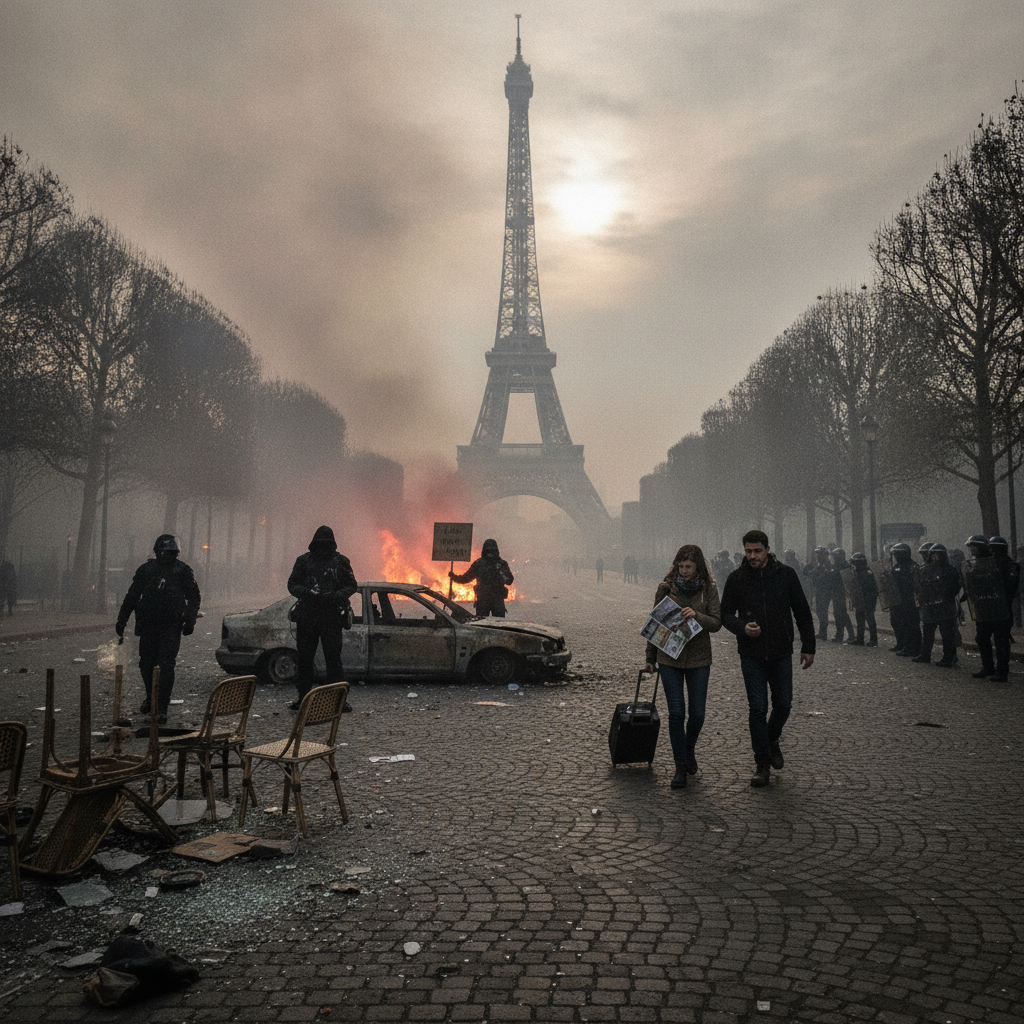
Communication experts and environmental observers are examining the broader impacts of framing climate change through catastrophic narratives, according to coverage published by The Guardian and distributed by Accredited Wire Reports.
Discussions surrounding ecological coverage have raised concerns that framing global warming strictly through apocalyptic scenarios can induce public fatigue, anxiety, and disengagement rather than constructive action. While urgent scientific data underscores the rapid transformation of global ecosystems, how those realities are communicated to everyday audiences plays an essential role in shaping public sentiment.
Impact of Catastrophic Messaging
The central issue rests on the psychological response of audiences subjected to persistent warnings that the world is ending. Research in public communication suggests that when individuals are repeatedly told that irreversible collapse is imminent, the result can often be fatalism rather than mobilized civic participation.
When challenges are portrayed as entirely insurmountable, the general public may conclude that individual sacrifices or legislative reforms will make little difference. This narrative challenge has prompted climate scientists, educators, and journalists to evaluate whether doom-laden projections fail to sustain long-term engagement.
Developing Constructive Environmental Narratives
In response to these communication challenges, contemporary media coverage is increasingly exploring the balance between scientific accuracy and pragmatic agency. Rather than minimizing the severe risks detailed by researchers, the focus shifts toward highlighting functional interventions, policy adjustments, and technological advancements.
Editorial assessments circulating through Accredited Wire Reports emphasize that informing the public requires addressing both the scale of ecological crises and the actionable pathways available to address them. By shifting away from purely terminal rhetoric, communicators seek to foster informed vigilance without reducing complex scientific issues to paralysis.