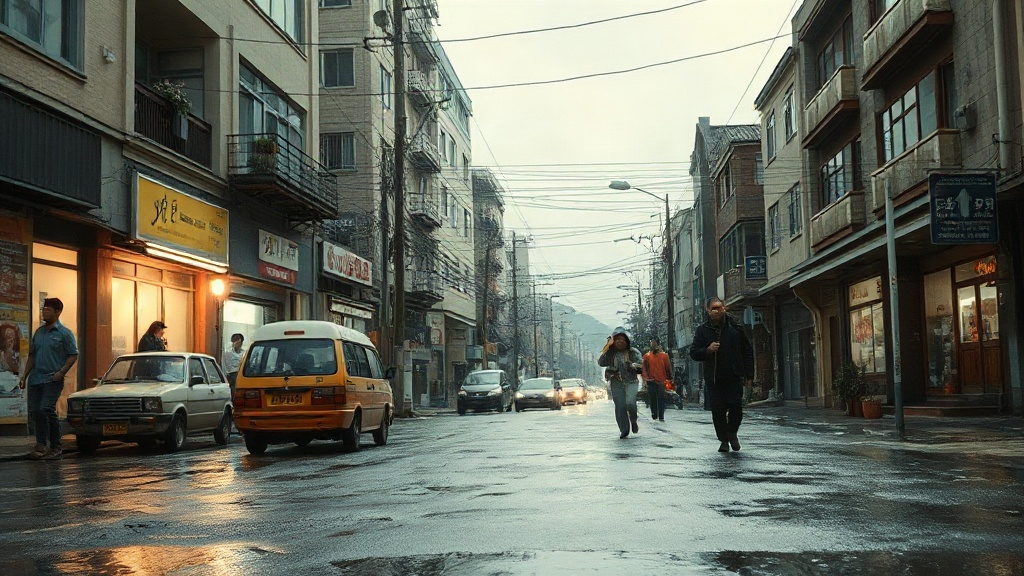
Typhoon Champi made landfall along the coastline of Taiwan on Thursday, killing at least one person, injuring more than 500 others, and knocking out electrical power to upwards of 167,000 households across the island.
The powerful tropical cyclone generated towering coastal waves, torrential inland downpours, and violent wind gusts that uprooted mature trees, smashed commercial signage, and swamped low-lying urban streets. Emergency dispatches confirmed that local civil protection forces spent hours responding to structural collapses, damaged vehicles, and widespread utility failures during the storm's peak intensity.
According to initial damage assessments compiled in a Times of India — Top Stories dispatch, municipal hospitals and mobile field medical units treated hundreds of individuals primarily suffering from cuts caused by broken glass, blunt-force trauma from airborne debris, and fractures sustained in falling incidents. First responders transported dozens of high-risk patients to regional trauma facilities while weather conditions were still deteriorating.
Coastal Surge and Critical Infrastructure Damage
The storm drove massive oceanic swells against defensive seawalls and harbor installations along Taiwan’s exposed maritime borders. Eyewitness video and perimeter monitoring systems documented giant waves breaching concrete barriers, sending sheets of seawater into port aprons and beachfront commercial strips.
Strong offshore winds accompanied the surge, pushing storm waters deep into inland drainage channels. Urban pumps struggled to clear the sudden deluge as torrential rain bands repeatedly stalled over metropolitan centers. Municipal utility operators reported extensive damage to the overhead electrical distribution network. At the height of the storm, falling power poles and severed distribution lines left more than 167,000 residences and businesses without electricity. Grid technicians, working under persistent gale-force winds, faced substantial delays in restoring transmission lines to mountainous rural townships and waterlogged lowlands.
Civic authorities enacted emergency water-drainage protocols to protect electrical substations, deploying diesel-powered mobile pumps to keep water away from vital subterranean switches. Even with those protective interventions, several coastal neighborhoods experienced intermittent cutoffs to local tap water supplies after treatment plants suffered line drops and debris intake blockages.
Travel Disruptions Ground International and Domestic Corridors
The arrival of Typhoon Champi halted civilian transit systems across northern, eastern, and southern transit corridors. Civil aviation regulators documented the cancellation of more than 240 passenger and cargo flights, leaving thousands of business travelers, tourists, and freight shipments stranded at regional terminals.
Runway conditions deteriorated rapidly as crosswinds exceeded operational safety thresholds, forcing major domestic carriers and international airlines to divert scheduled arrivals to alternative staging hubs across East and Southeast Asia. Ground handling crews tied down parked aircraft on aprons and halted baggage operations to safeguard ramp personnel against windblown ground equipment.
Highways and rail networks experienced parallel shutdowns. High-speed rail operators slowed line velocities before suspending selected service sections along open viaducts prone to sudden lateral gusts. Commuter rail companies canceled branch services running through mountainous terrain due to heightened risks of mudslides and fallen track obstructions. In urban centers, public bus fleets were recalled to depots to prevent broadside wind upsets, while port maritime bureaus ordered fishing vessels and container freighters to stay at sheltered anchorages.
Protective Closures and Coordinated Relief Deployments
Anticipating the severe weather front, local governments enacted preventative closures of primary, secondary, and tertiary educational institutions alongside non-essential public sector offices. The coordinated shutdown aimed to keep millions of students and municipal commuters off the roads during the storm's initial landfall.
Private sector firms largely adhered to municipal disaster advisories, closing non-essential commercial storefronts and instructing desk employees to work remotely where domestic power and internet networks remained operational. Emergency operations centers dispatched structural engineers, firefighter battalions, and volunteer emergency teams to execute systematic street-clearing operations.
Crews focused initial resources on clearing main thoroughfares leading to major hospitals and emergency care clinics, cutting apart fallen trees that blocked primary ambulance routes. Civil defense teams established temporary community evacuation shelters inside reinforced civic gymnasiums, providing dry bedding, emergency drinking water, and basic medical aid to residents whose homes suffered roof damage or perimeter flooding.
Detailed public updates issued through the Times of India wire reporting indicated that government relief coordination committees met throughout the night to review electrical repair timelines, track shelter populations, and monitor river basin gauges.
Regional Disaster Preparedness and Storm Trajectory
Typhoon Champi’s violent transit through the region underscores the persistent geographic vulnerabilities confronting Western Pacific island territories during seasonal tropical storm peaks. High population density along coastal margins amplifies the structural and economic risks tied to extreme weather systems, requiring strict municipal building codes and rapid storm tracking systems.
Meteorological bureaus utilized advanced satellite arrays and Doppler radar networks to project the cyclone’s track as it pushed across the island. The dense mountainous spine running down central Taiwan altered the storm's low-level circulation, stripping away some wind strength but triggering intense, localized cloudbursts that raised flash-flood alerts across several vulnerable valleys.
Disaster reduction specialists highlighted the crucial role that timely public warning sirens, digital alert broadcasts, and early transit halts played in preventing an even steeper loss of human life. Similar storm events in preceding seasons frequently led to higher casualty counts whenever preventative evacuations of riverbank settlements were delayed.
Regional emergency logistics units continue to manage public shelters and provide bottled water to districts where secondary distribution grids remain unstable. The latest operational advisories published in the international weather coverage by the Times of India confirmed that engineering teams have focused on stabilizing damaged sea walls and repairing downed line segments.
Taiwan's Central Emergency Operation Center confirmed that municipal authorities will conduct comprehensive structural safety inspections of all public schools, transit terminals, and river dikes over the coming weekend before lifting remaining regional work-suspension orders.
*Contextual Intelligence: Verified sector background corroborated in our coverage on Shreyas Iyer Nears Rohit Sharma T20I Captaincy Record.*
*Contextual Intelligence: Verified sector background corroborated in our coverage on Iran Caps Daily Dollar Purchases at $1,000 to Halt Rial Slide.*


