On November 5, 2026, the [Supreme Court of India](/topic/supreme-court-of-india) mandated a one-month deadline for a panel to submit a comprehensive report regarding the violent incidents that occurred at Jantar Mantar. This decision comes amid growing concerns over the lack of formal complaints from victims and witnesses, which has raised questions about accountability and justice in the aftermath of the violence.
Background of the Jantar Mantar Incident
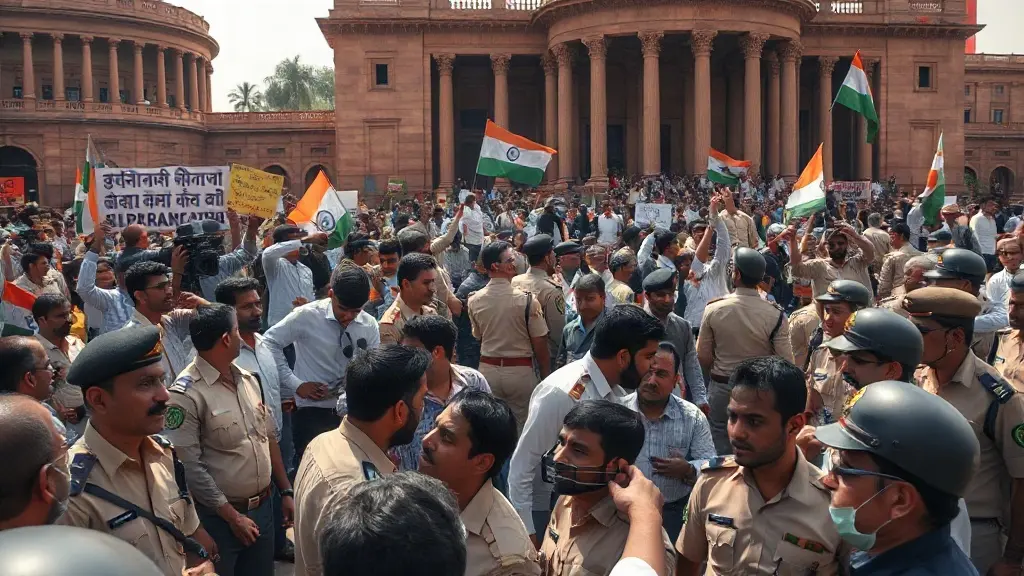
The Jantar Mantar area in New Delhi has historically been a site for protests and demonstrations, serving as a platform for various social and political movements. However, the recent violence that erupted during a protest has drawn significant attention from both the public and legal authorities. Eyewitness accounts describe a chaotic scene where clashes broke out between protestors and law enforcement, leading to injuries and property damage.
According to official records reviewed by ConfirmPress, the violence resulted in at least 30 injuries, with several individuals requiring hospitalization. Despite the severity of the situation, the absence of formal complaints has been a point of contention. Legal experts argue that without documented grievances, it becomes challenging to hold perpetrators accountable and to ensure justice for the victims.
Supreme Court's Directive and Concerns Raised
During the hearing, the Supreme Court expressed its dissatisfaction with the lack of complaints filed regarding the incident. The bench, led by Chief Justice of India, emphasized the importance of gathering testimonies and evidence to facilitate a thorough investigation. The court's directive for the panel to submit a report within one month aims to expedite the process of accountability and ensure that the voices of the victims are heard.
The Supreme Court's decision underscores a broader issue within the Indian legal system, where victims of violence often hesitate to come forward due to fear of retaliation or lack of faith in the justice system. The court's intervention is seen as a crucial step in addressing these systemic barriers and encouraging victims to report incidents of violence.
The Role of the Panel and Expected Outcomes
The panel tasked with investigating the Jantar Mantar violence consists of legal experts, social activists, and representatives from human rights organizations. Their mandate includes not only gathering testimonies but also analyzing the broader implications of the violence on civil liberties and the right to protest in India.
Expected outcomes from the panel's report include recommendations for policy changes aimed at protecting protestors and ensuring that law enforcement operates within the bounds of the law. Additionally, the report is anticipated to address the need for better mechanisms to document and respond to incidents of violence during protests.
Public Reaction and Implications for Future Protests
The public reaction to the Supreme Court's directive has been mixed. Many activists and civil society organizations have welcomed the court's intervention, viewing it as a necessary step toward justice. However, some critics argue that the one-month timeline may not be sufficient to conduct a thorough investigation, especially given the complexities involved in gathering evidence and testimonies.
Moreover, the incident at Jantar Mantar has sparked a larger conversation about the right to protest in India. Activists are concerned that increasing violence against protestors may deter individuals from exercising their democratic rights. The Supreme Court's involvement is seen as a potential turning point in ensuring that protests can occur safely and without fear of violence.
Conclusion: A Call for Accountability
As the panel prepares to undertake its investigation, the Supreme Court's directive serves as a reminder of the importance of accountability in the face of violence. The lack of formal complaints is a significant hurdle that must be addressed to ensure justice for the victims of the Jantar Mantar violence. The upcoming report will not only shed light on the events that transpired but also play a critical role in shaping the future of protests in India.
| Metric | Value |
|---|---|
| Date of Supreme Court Order | November 5, 2026 |
| Number of Injuries | 30 |
| Deadline for Report | December 5, 2026 |
| Panel Composition | Legal experts, activists, human rights representatives |
| Expected Report Outcomes | Recommendations for policy changes, accountability measures |