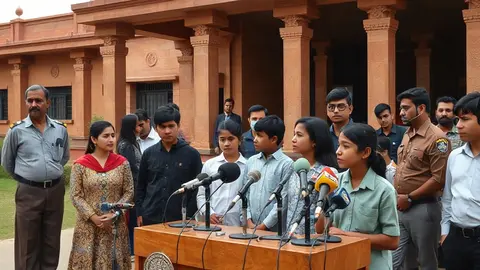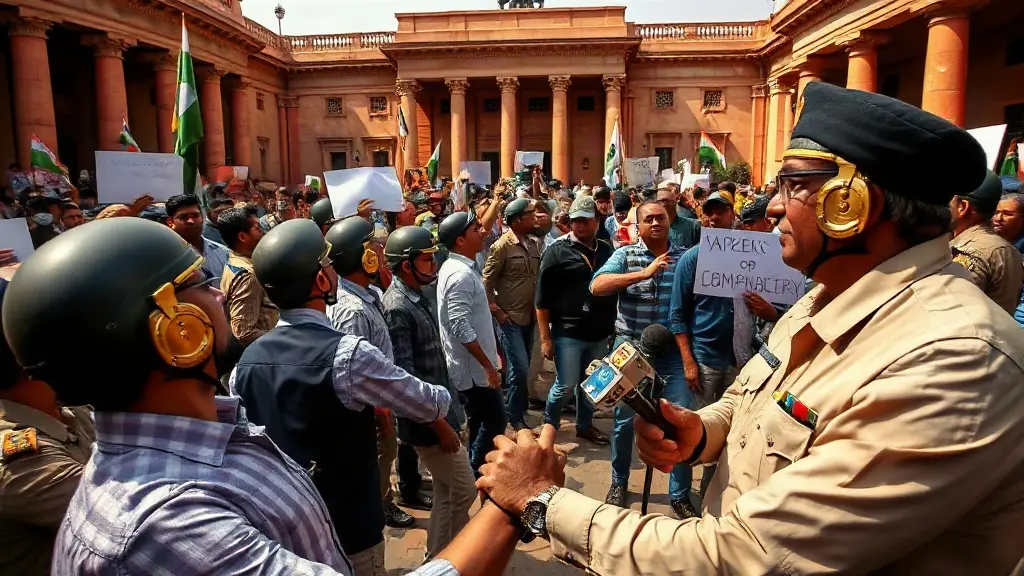
On November 5, 2026, the [Supreme Court of India](/topic/supreme-court-of-india) addressed the ongoing investigation into police brutality during the protests that occurred on July 20, 2026. The High Powered Enquiry Committee (HPEC) reported that it had received very few complaints regarding the actions of police personnel during the protests, which were aimed at demanding the resignation of Education Minister Dharmendra Pradhan. The Court's observations came as part of a hearing concerning the treatment of demonstrators by law enforcement during the protests in New Delhi.
Context of the July 20 Protests
The protests on July 20 were organized by supporters of the Cockroach Janta Party (CJP) in response to perceived governmental negligence in the education sector. Demonstrators gathered in large numbers, leading to confrontations with police forces. Reports indicate that police utilized lathi charges to disperse the crowd, raising concerns about the excessive use of force. The protests were marked by significant public unrest, prompting the need for an inquiry into police conduct.
Supreme Court's Findings on Complaints
During the hearing, the Supreme Court noted that the HPEC's Action Taken Report, issued on October 31, revealed that no complaints had been received either physically or online regarding police brutality during the protests. This finding has raised eyebrows among petitioners and civil rights activists, who argue that the lack of complaints does not necessarily reflect the reality of police conduct on the ground. The Court emphasized that the HPEC has established a new portal for anonymous submissions, allowing individuals to report incidents without fear of retribution.
Petitioners' Concerns and Evidence Submission
The petitioners have expressed concerns regarding the transparency of the investigation and the lack of information provided by the Delhi Police. They highlighted that the police have not disclosed details about the type of ammunition used during the protests, which is crucial for understanding the extent of force employed. The Supreme Court has granted petitioners the liberty to submit any material they possess, including video clips, to the HPEC for further consideration. This move is seen as a step towards ensuring that all evidence is thoroughly examined.
The Role of the High Powered Enquiry Committee
The HPEC was established to investigate allegations of police misconduct during the protests. Its mandate includes reviewing complaints, gathering evidence, and making recommendations for accountability. The establishment of an anonymous complaint portal is a significant development, as it aims to encourage more individuals to come forward with their experiences without fear of retaliation. However, the effectiveness of this portal remains to be seen, as the initial response has been underwhelming.
Implications for Police Accountability
The Supreme Court's findings and the establishment of the HPEC's complaint portal could have far-reaching implications for police accountability in India. The lack of complaints raises questions about the barriers that individuals face when reporting police misconduct. Activists argue that systemic issues, including fear of police retaliation and a lack of trust in the justice system, contribute to the underreporting of such incidents. The Court's decision to allow the submission of evidence could serve as a catalyst for change, encouraging more victims to share their experiences.
Conclusion: A Call for Transparency and Justice
As the investigation continues, the Supreme Court's involvement underscores the importance of transparency and accountability in law enforcement. The HPEC's findings and the establishment of a mechanism for anonymous complaints represent a critical step towards addressing concerns about police brutality. However, the effectiveness of these measures will depend on the willingness of individuals to come forward and the commitment of authorities to take action based on the evidence presented. The ongoing scrutiny of police conduct during the July 20 protests serves as a reminder of the need for reform in the handling of public demonstrations and the treatment of citizens by law enforcement agencies.
| Date | Event | Complaints Received | Action Taken |
|---|---|---|---|
| July 20, 2026 | Protests against Education Minister | Very few complaints | HPEC established, anonymous portal created |
| October 31, 2026 | Action Taken Report issued | None received | Petitioners allowed to submit evidence |
| November 5, 2026 | Supreme Court hearing | Few complaints noted | Court allows evidence submission |