Court Ruling on Cheranalloor Crash Case
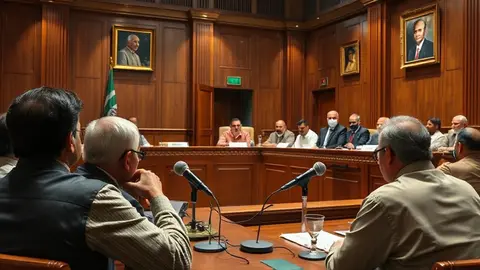
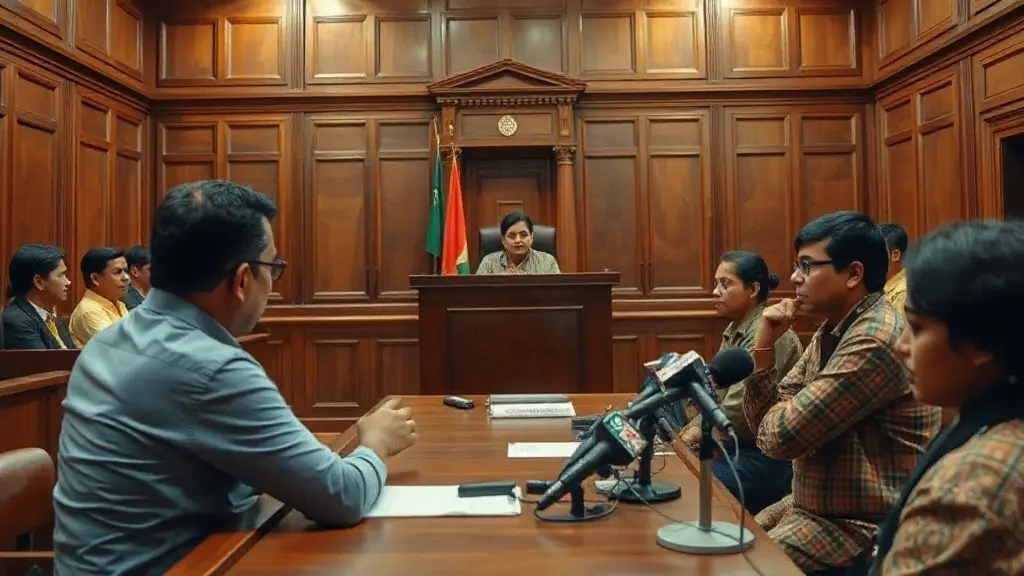
On November 5, 2026, the Additional District and Sessions Court in Ernakulam, Kerala, upheld the bail granted to a 17-year-old involved in a tragic car crash in Cheranalloor that resulted in a fatality. The court's decision has sparked discussions about the legal framework surrounding juvenile offenders and the responsibilities of law enforcement in such cases. Judge Kavitha Gangadharan expressed strong criticism of the police and prosecution, questioning the legitimacy of the FIR registered against the teenager.
The court's ruling came after appeals were made to suspend the bail, which had been granted earlier. Judge Gangadharan pointed out that the registration of an FIR is only warranted in cases where the punishment exceeds seven years of imprisonment. This critical observation raises questions about the legal grounds for the charges against the teen, who was involved in a high-profile incident that has captured public attention.
Critique of Police Procedures
During the proceedings, Judge Gangadharan highlighted several procedural lapses by the police, particularly concerning the Juvenile Justice (Care and Protection of Children) Act. The court noted the absence of a social background report, which is a mandatory requirement in cases involving juveniles. This oversight not only undermines the legal process but also raises concerns about the treatment of young offenders within the justice system.
The judge emphasized that the police must adhere to legal protocols, even when under pressure from public sentiment or media scrutiny. "The police are not expected to act beyond the law, even under pressure," she stated, reinforcing the importance of maintaining legal integrity in the face of societal demands for justice.
The Role of the Juvenile Justice Act
The Juvenile Justice (Care and Protection of Children) Act is designed to protect the rights of minors in conflict with the law. It mandates specific procedures to ensure that juveniles are treated fairly and that their cases are handled with sensitivity. The court's criticism of the police for failing to comply with this act underscores the need for law enforcement agencies to be adequately trained in juvenile justice matters.
Judge Gangadharan's remarks about the FIR's multiple alterations also raise concerns about the integrity of the investigation. The court's insistence on adhering to the provisions of the Juvenile Justice Act serves as a reminder of the legal protections afforded to minors, which must not be overlooked in the pursuit of justice.
Public Reaction and Implications
The ruling has sparked a mixed reaction from the public and legal experts. Many are applauding the court's commitment to upholding the rights of juveniles, while others express concern over the implications of the ruling for victims' families seeking justice. The case has become emblematic of the broader issues surrounding juvenile justice in India, particularly in high-profile incidents that attract media attention.
Legal experts have noted that the court's decision could set a precedent for how similar cases are handled in the future. The emphasis on procedural integrity and the protection of juvenile rights may lead to a reevaluation of how law enforcement approaches cases involving minors.
Future of Juvenile Justice in India
As discussions around the Cheranalloor crash continue, the case highlights the urgent need for reforms in the juvenile justice system. Advocates for children's rights are calling for enhanced training for police officers and a more robust framework for handling cases involving young offenders. The court's ruling may serve as a catalyst for change, prompting lawmakers and law enforcement agencies to reassess their practices and policies.
In light of the court's findings, there is a growing recognition that the juvenile justice system must prioritize rehabilitation over punishment. This approach aligns with international standards for the treatment of minors in conflict with the law and reflects a shift towards a more compassionate and just legal framework.
The Cheranalloor crash case serves as a poignant reminder of the complexities surrounding juvenile justice in India. As the legal proceedings unfold, the focus will remain on ensuring that the rights of all parties involved are respected and upheld, paving the way for a more equitable justice system for minors in the future.
| Date | Event | Outcome | Remarks |
|---|---|---|---|
| Nov 5, 2026 | Court ruling on bail | Bail upheld for 17-year-old | Criticism of police procedures |
| FIR registration questioned | Lack of legal basis noted | Juvenile Justice Act violations | |
| Social background report | Absent in case | Mandatory requirement ignored |