Ongoing Ethnic Tensions in Manipur
In the Thoubal district of Manipur, approximately 1,000 Pangal (Muslim) students have been unable to attend schools located in the Meitei (Hindu)-majority area for the past 16 days. This disruption follows a violent clash on October 18, which resulted in the death of Rakesh Laishram, a resident of Khangabok village. The incident has exacerbated existing ethnic tensions between the residents of Khangabok and the neighboring Pangal-dominated Sangaiyumpham.
The violence, which erupted during a stone-throwing incident in a playground separating the two villages, has led to a significant escalation of fear and mistrust. According to local reports, ethnic violence in Manipur has claimed around 350 lives and displaced over 60,000 people in the last three years. The impact of this ongoing conflict is acutely felt in the educational sector, as most schools around Sangaiyumpham are situated in the Meitei-majority area, leaving Pangal students with limited access to education.
The Impact on Education
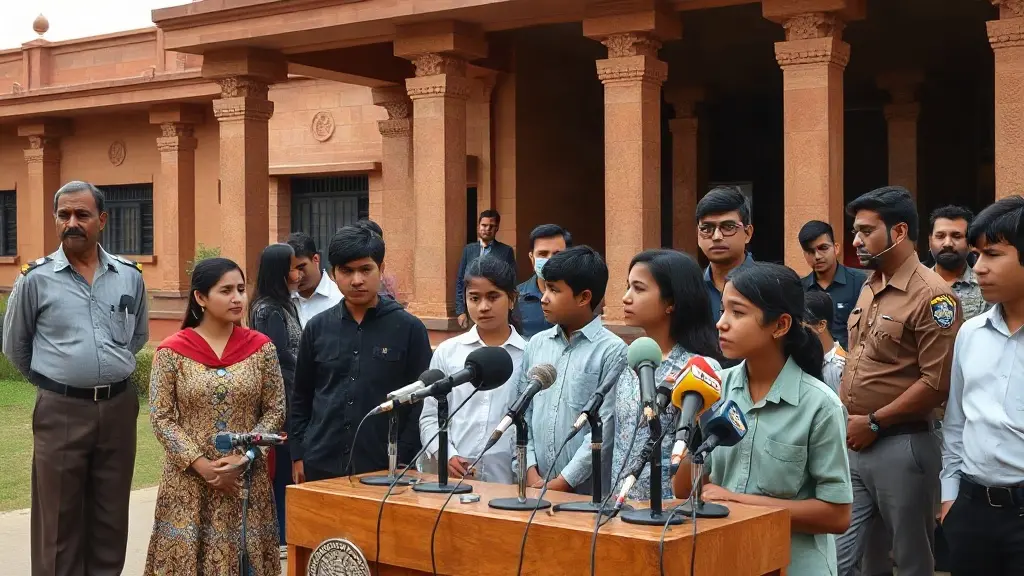
The closure of schools has left many Pangal students, ranging from primary to high school, unable to attend classes. Ataur Rahman, the convener of the Sangaiyumpham Joint Action Committee (JAC), stated, "There are around 1,000 students who have not gone to school since October 18. They are from primary to high school students." He emphasized that the situation has created an environment of fear, preventing even students from other areas from attending classes in the Meitei-majority schools.
"There is no online education available for them either. The fear is so widespread that we are remaining in our village, and they are also doing the same. No one is entering the other’s village," Rahman explained. The lack of educational access for these students underscores the broader implications of the ethnic conflict, as children from both communities are affected by the ongoing tensions.
Community Responses and Demands
In response to the violence, both Khangabok and Sangaiyumpham have formed separate JACs, each with distinct demands. Khangabok's JAC is seeking justice for Laishram's death and the identification of his killer, while Sangaiyumpham's JAC is demanding compensation for property damage caused by the arson that followed the clash. Both committees have met with Chief Minister Yumnam Khemchand Singh and the state home minister, but a peace meeting to address the issues has yet to occur.
Thokchom Kiran, co-convener of Khangabok JAC, clarified that their village has not actively prevented Pangal children from attending school. "Pangal children are not attending classes in the schools in our village, but we want to clarify that we have not stopped them. No one has anything against the children," Kiran stated. He attributed the absence of students to the prevailing tensions rather than any deliberate action by the Khangabok residents.
Historical Context of Ethnic Violence
The tensions between the Meiteis and the Pangals are not new, with a history of clashes dating back to 1993, when over 100 people were killed. The current situation is being monitored closely by authorities, given the potential for further escalation. The district administration has taken measures to restore order, including the retrieval of licensed firearms from villagers and the deployment of Central Reserve Police Force and Rapid Action Force personnel.
Despite these efforts, the peace meeting that was expected to take place following Chief Minister Singh's visit to the villages on October 28 has not materialized. The lack of progress in reconciling the two communities raises concerns about the future of stability in the region.
The Way Forward
As the mourning period for Laishram concludes on November 6, Kiran indicated that the Khangabok community would reassess their position and determine the next steps. "We will speak to our villagers after November 6 and decide the next course of action," he said. The urgency for restoring normalcy is palpable, as both communities seek a resolution that allows students to return to school and rebuild trust.
The situation remains fluid, with the potential for further developments as local leaders and the government work towards a peaceful resolution. The plight of the Pangal students serves as a stark reminder of the human cost of ethnic conflict and the urgent need for dialogue and reconciliation in Manipur.
| Metric | Value |
|---|---|
| Pangal students affected | 1,000 |
| Days out of school | 16 |
| Fatalities in ethnic violence | 350 |
| Displaced individuals | 60,000 |
| Schools in Khangabok | 9 |
| Students from Sangaiyumpham | 700 |