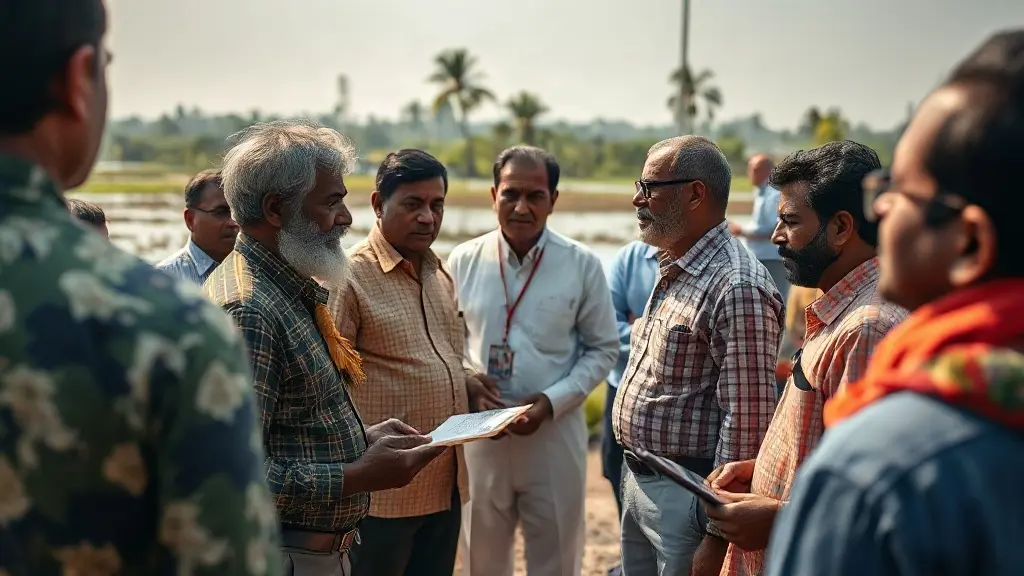
Official updates from the Press Information Bureau (PIB) have outlined the continuing expansion and conservation status of Ramsar sites across India, highlighting the central government's structured effort to preserve ecologically fragile wetland ecosystems under international treaty standards.
According to official documentation compiled through PIB India, India's designated wetlands of international importance represent a major ecological priority under the Ramsar Convention on Wetlands. The intergovernmental treaty, established in Ramsar, Iran, provides the framework for national action and international cooperation regarding the conservation and sustainable use of wetland habitats and their resources.

The Role of Wetland Designations
Wetlands in India play a critical role in flood control, groundwater replenishment, carbon sequestration, and supporting endangered flora and fauna. By securing recognition as Ramsar sites, these habitats enter a framework requiring strict environmental management plans monitored by both state forest departments and the Union Ministry of Environment, Forest and Climate Change (MoEFCC).
Details reported across accredited national wire services indicate that official updates on these sites serve to align state-level conservation protocols with international ecological standards. The updates emphasize regular assessments of water quality, bird migration corridors, and encroaching urbanization around wetland buffers.

Photographic Documentation
India — verified documentary press visual.
Overview of Wetland Framework Metrics
The following table outlines the operational framework governing India's Ramsar sites based on official ecological guidelines:
| Governance Dimension | Operational Focus | Regulatory / Implementation Body |
|---|---|---|
| International Mandate | Wise use and ecological preservation of wetlands | Ramsar Convention Secretariat |
| National Oversight | Policy formulation, clearance, and international reporting | Ministry of Environment, Forest and Climate Change (MoEFCC) |
| Ground Management | Habitat maintenance, anti-poaching, and hydrological monitoring | State Wetland Authorities and Forest Departments |
| Information Dissemination | Official registry documentation and public notification | Press Information Bureau |
Administrative Oversight and Implementation
The designation of an area as a Ramsar site requires state governments to prepare a comprehensive ecological dossier, demonstrating that the wetland meets specific criteria established under the convention, such as supporting vulnerable species or providing regular shelter to large waterbird populations.
Following clearance, local administrative bodies must implement integrated management plans that restrict commercial exploitation, prevent untreated industrial discharge, and involve local communities in sustainable conservation practices. According to guidelines reflected in official government reporting, maintaining Ramsar status also involves periodic ecological health reporting to ensure that no site is placed on the Montreux Record of degraded wetlands.
Frequently Asked Questions
What is a Ramsar site in India?
A Ramsar site is a wetland deemed of international importance under the global Ramsar Convention. These sites receive specialized environmental protection to safeguard their unique biodiversity and hydrological benefits.
Which agency oversees official announcements regarding Ramsar sites in India?
Official announcements and updates regarding the status, designation, and management of Ramsar sites are documented and distributed through the Union Ministry of Environment, Forest and Climate Change alongside the Press Information Bureau (PIB).
Why does the designation of these sites matter to the public?
Designated Ramsar sites protect regional water supplies, act as natural buffers against flooding and soil erosion, and secure livelihoods tied to traditional fisheries and sustainable agriculture.