The National Urban Conclave 2026 has officially drawn to a close, producing a comprehensive set of actionable recommendations designed to overhaul urban governance, modernize municipal planning, and elevate public service delivery across Indian cities. The outcomes, released via an official announcement from the Press Information Bureau, establish core administrative priorities tied directly to the national economic vision of Viksit Bharat 2047.

Strategic Pillars of the Urban Framework
Urban administrators, policy experts, and municipal leaders participating in the multi-session summit focused on transitioning rapid urban expansion into sustainable, economically resilient ecosystems. Rather than relying on temporary infrastructure fixes, the conclave prioritized institutional reforms within Urban Local Bodies (ULBs).
According to documented proceedings, the actionable recommendations center on three structural pillars:
- Urban Governance Modernization: Strengthening institutional capacity, municipal accountability, and digital administration within local municipal corporations.
- Integrated Spatial & Infrastructure Planning: Moving toward climate-resilient zoning, transit-oriented development, and long-term land-use planning.
- Citizen-Centric Service Delivery: Enhancing water supply, waste management, municipal sanitation, and public transport accessibility.

Photographic Documentation
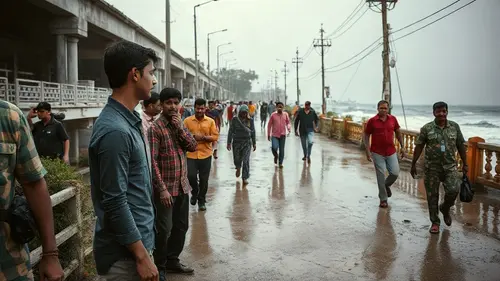
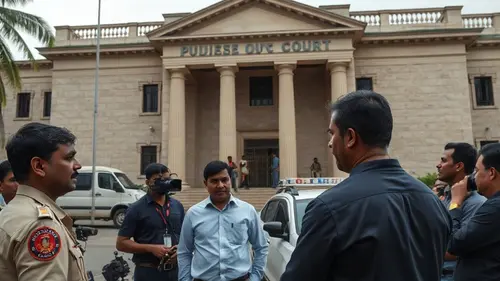
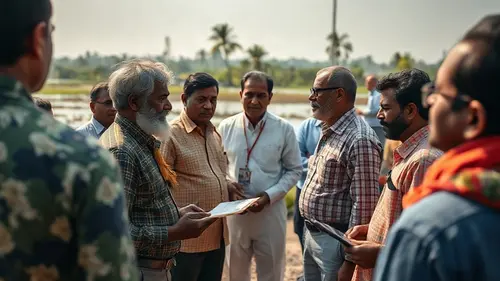
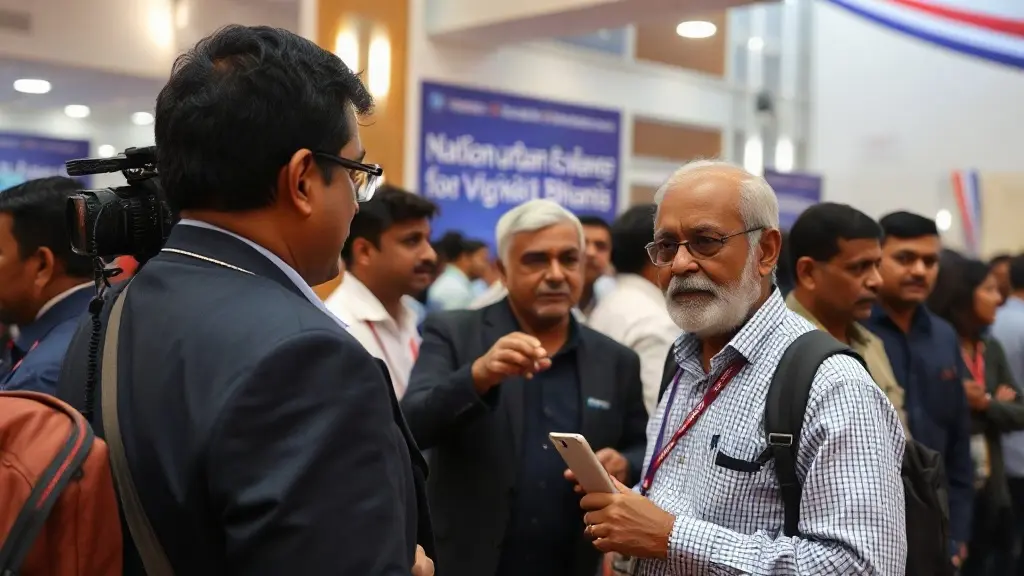
Urban Governance — verified documentary press visual.
Conclave Focus Areas and Structural Outcomes
| Focus Area | Key Conclave Objective | Target Long-Term Outcome (Viksit Bharat 2047) |
|---|---|---|
| Municipal Governance | Capacity building and fiscal autonomy for local bodies | Transparent, financially viable, and automated municipal operations |
| Urban Planning | Data-driven spatial frameworks and sustainable zoning | Climate-resilient, transit-oriented, and mixed-use urban centers |
| Public Service Delivery | Modernized utility systems (water, sanitation, waste) | Universal access to reliable municipal utilities and digital citizen services |
| Economic Integration | Strengthening urban economic hubs and local jobs | Sustainable metropolitan productivity supporting high national growth |
Aligning Local Infrastructure With Viksit Bharat 2047
The policy outcomes formulated at the conclave serve as a functional bridge between local city master plans and national development objectives under the Viksit Bharat 2047 initiative. With India projected to add hundreds of millions of residents to its urban corridors over the coming decades, the conclave stressed the necessity of decentralized planning models.
Delegates highlighted that sustained economic expansion depends heavily on the functional efficiency of cities as primary productivity engines. Municipalities must secure predictable capital financing and adopt standardized digital monitoring to ensure local projects remain on schedule and within environmental safeguards, as reflected in official updates from PIB India.
Next Steps for Implementation
Following the conclusion of the summit, the actionable recommendations will be compiled into structured advisory guidelines for state urban development departments and municipal authorities. State administrations are anticipated to review local bylaws, evaluate municipal financial mechanisms, and align state-level capital investment programs with the national urban roadmap.
Frequently Asked Questions
What is the National Urban Conclave 2026?
The National Urban Conclave 2026 is a national platform bringing together urban planners, policymakers, municipal administrators, and stakeholders to coordinate strategies for city administration, planning, and infrastructure development.
What were the key conclusions of the conclave?
The conclave concluded with actionable recommendations specifically targeted at strengthening urban governance, improving municipal spatial planning, and modernizing civic service delivery across India.
How does this conclave connect to Viksit Bharat 2047?
The recommendations provide a long-term urban planning and administrative framework intended to prepare Indian cities for sustainable growth and economic productivity leading up to the centenary of Indian independence in 2047.