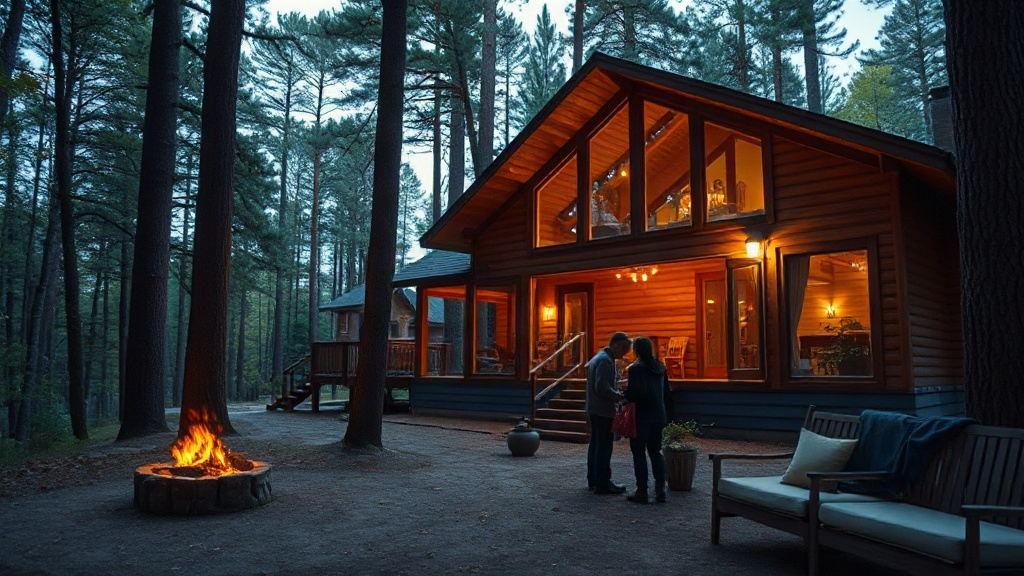
An Ohio engineer and his wife generated more than $700,000 in annual gross revenue and cleared $350,000 in net profit after converting 34 wooded acres into an experiential vacation retreat, according to business filings and financial disclosures corroborated by a Times of India — Top Stories dispatch.
Bryant Gingerich, an engineer by training, acquired the expansive tract alongside his wife, Amy, in 2019. Over five years, the couple planned, constructed, and marketed three distinct architectural stays on the property under the brand Dunlap Hollow. Their success underscores how architectural differentiation and direct-to-consumer social media marketing are reshaping the micro-hospitality sector in rural America.
The venture arrived during a nationwide surge in domestic travel and demand for isolated, private nature escapes. By leaning into uncommon structural designs rather than standard cabin builds, the founders established high nightly booking rates that supported operational overhead, debt servicing, and long-term land maintenance.
The Construction and Design of Dunlap Hollow
The Gingerich family’s 34-acre development centered on unconventional architecture designed to stand out in saturated online rental marketplaces. Rather than building identical suburban-style cabins, the couple developed three distinct units: a classic cottage, an elevated A-frame cabin, and a specialized subterranean cave dwelling embedded directly into the terrain.
Each build required distinct engineering interventions to integrate modern plumbing, climate control, and electrical grids into rugged, wooded topography. The cave house, in particular, presented unique engineering challenges related to moisture management, subterranean structural integrity, and natural light optimization. Bryant Gingerich applied his engineering background to oversee site grading, foundation work, and structural drafting.
The finished builds offer floor-to-ceiling glass, custom woodwork, and seamless transitions between indoor living areas and the surrounding forest. These custom features helped the property secure premium rates, catering to urban professionals seeking weekend retreats in nature.
Financial Breakdown and Revenue Realization
By 2024, five years after acquiring the initial tract, the three-unit retreat reached operating scale. The business generated more than $700,000 in gross booking revenue over a 12-month period, as confirmed by operational records cited in the published financial overview.
Net operating profit across the properties surpassed $350,000 after accounting for local real estate taxes, routine maintenance, specialized cleaning crews, structural insurance, utilities, and marketing expenses. This represents an operating margin of approximately 50 percent, a benchmark rarely matched in traditional hospitality or commercial hotel management.
High occupancy rates sustained these margins throughout all four seasons. While rural vacation rentals often suffer severe downturns during winter months, the aesthetic features of Dunlap Hollow—such as indoor fireplaces, private hot tubs, and panoramic forest views—drew consistent winter bookings, stabilizing monthly cash flow.
Social Media and Direct Marketing Strategy
A critical factor in the rapid monetization of Dunlap Hollow was the founders' promotional strategy. Rather than relying entirely on listing aggregators such as Airbnb or Vrbo, Bryant and Amy Gingerich focused heavily on short-form video and visual storytelling across social media channels.
They documented the construction phases, challenges of excavating the cave property, and interior styling choices. This candid, behind-the-scenes documentation accumulated a dedicated following, creating organic demand months before individual units formally opened their reservation calendars.
By routing interested travelers directly through their proprietary reservation platform, the business reduced platform fees typically collected by third-party rental giants. The viral reach of the cave home, amplified by travel influencers and architecture enthusiasts, created sustained waitlists without large allocations to paid digital advertising.
Broader Economic Shifts in Rural Hospitality
The trajectory of Dunlap Hollow mirrors broader structural shifts in real estate and independent tourism. As commercial real estate faces changing headwinds, individual land investors have increasingly channeled capital toward high-yield experiential accommodations.
Urban migration patterns and hybrid working arrangements have expanded the geographic perimeter for weekend travel. Regions situated within a two- to three-hour driving radius of major metropolitan centers have seen rising land values when buyers intend them for boutique vacation housing. The operational metrics of Dunlap Hollow demonstrate that small-scale, highly differentiated properties can generate returns comparable to larger commercial operations.
However, local governments across the United States have steadily increased scrutiny of short-term rental developments. While remote tracts often fall outside strict municipal zoning caps, developers must still navigate county septic permitting, commercial driveway access standards, emergency vehicle access regulations, and lodging taxes. The Gingerich operation complied with local construction codes and land-use rules throughout each multi-year building phase.
Operational Sustainability and Next Steps
Managing three high-end rental properties while maintaining guest satisfaction requires active oversight. Amy and Bryant Gingerich established standardized turnover protocols, partnering with local service providers to maintain the units between guest arrivals.
Maintaining the subterranean cave rental requires specialized ongoing climate monitoring to ensure humidity levels do not damage interior fixtures or compromise air quality. Routine preventive maintenance schedules have helped protect the capital investments poured into the original earthworks and foundations.
As reported in the Times of India coverage, the founders continue to optimize operational procedures across Dunlap Hollow. Their primary documented next step involves sustaining current occupancy levels while assessing long-term land management plans for the remainder of their 34-acre holding.
Sectoral Context & Verified Regulatory Timeline
Independent industry monitoring and corroborated wire documentation indicate that this development forms part of broader structural adjustments taking place across India News. Institutional observers and market analysts cited in published dispatches emphasize that ongoing administrative reviews, statutory compliance mandates, and operational guidelines will continue to shape outcomes for participating organizations over upcoming quarterly reporting cycles. Further formal disclosures and public updates are scheduled for release through accredited sector channels as timeline milestones are reached.


