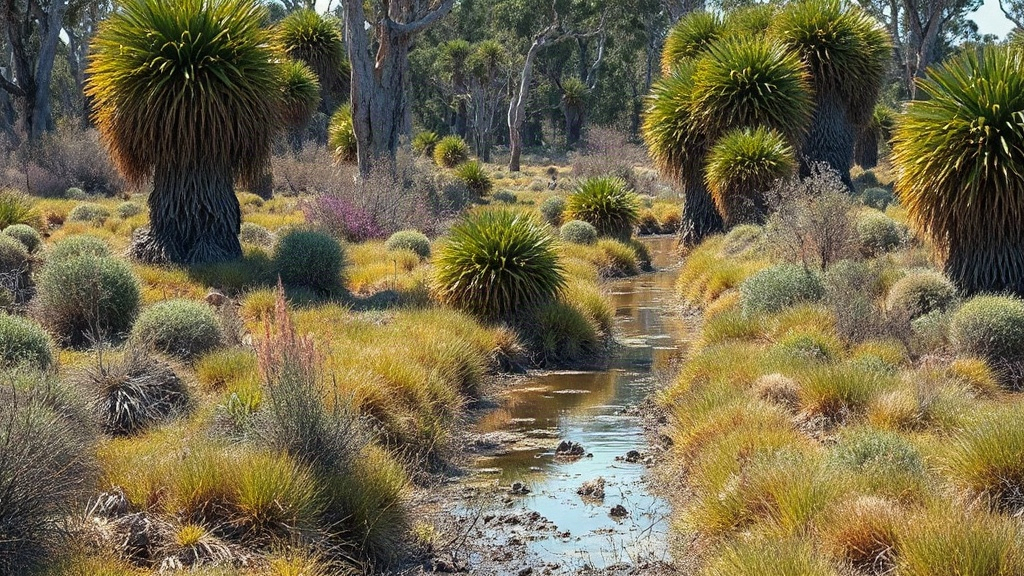
Nine years after state bulldozers began leveling sensitive urban wetlands in Western Australia for a contentious freight highway, coordinated environmental rehabilitation has re-established more than 280,000 native seedlings and documented 97 distinct wildlife species across the cleared corridor.
The ecological rebound across an 18-hectare strip within the Beeliar regional park network marks a decisive turn from the fierce civil protests and political clashes of early 2017. As detailed in the Times of India — Top Stories dispatch, botanical surveys and biological audits show that native fauna, including the endangered Carnaby’s black cockatoo, have resumed feeding and nesting across the once-denuded soil.
For metropolitan planners and environmental managers worldwide, the site provides rare, measurable data on whether urban biodiversity can reconstruct itself after catastrophic topsoil disruption.
The Battle Over Roe 8 and the Road Corridor
The dispute dates back to the proposed extension of Roe Highway, known colloquially as Roe 8, planned by the Western Australian government to connect industrial logistics hubs directly to the port city of Fremantle. The designated alignment ran directly through North Lake and Bibra Lake, two freshwater bodies that anchor the broader Beeliar wetlands south of the Swan River.
Environmental scientists and Aboriginal traditional custodians cautioned for decades that slicing through the wetland chain would fracture migratory corridors, deplete ancient banksia woodlands, and sever culturally protected Noongar songlines. Despite legal appeals and community blockades, heavy machinery entered the reserve in January 2017, clear-felling century-old trees and stripping away critical understory.
Public anger over the clearing galvanized voters during the March 2017 state general election. The incoming Labor administration, led by then-Premier Mark McGowan, immediately issued a stop-work order, cancelled construction contracts, and permanently rescinded the highway reservation across the wetland precinct.
Rebuilding Native Flora on Disturbed Ground
Halting the road project left an open scar: nearly 18 hectares of raw sand vulnerable to rapid weed invasion, wind erosion, and soil acidification. Turning the bulldozed swath back into functional habitat required more than passive natural regeneration.
Ecologists established structured replanting protocols governed by community restoration bodies and municipal authorities. Field teams sourced seeds directly from local genetic stock to ensure climatic resilience, focusing on foundational canopy species like jarrah, marri, and slender banksia.
According to findings published in the published technical report, teams installed more than 280,000 tubestock seedlings across designated microhabitats. Technicians applied hydromulch, direct-seeding methods, and targeted organic matter treatments to restore microbial life in soils compacted by machinery.
Field workers also erected temporary perimeter fencing and weed suppression barriers. These measures prevented invasive grasses from outcompeting young shrubs before their root networks penetrated subterranean water tables.
Wildlife Return to Reconstituted Canopy
Fauna monitoring programs now confirm the return of specialized animal populations that had fled the original clearance zones. Observers have verified 97 animal species utilizing the rehabilitated corridor for shelter, foraging, and cross-district movement.
Most prominent among the returning species is Carnaby’s black cockatoo, a federally listed endangered bird that relies heavily on banksia seeds and eucalyptus nectar to sustain long breeding migrations across the coastal plain. When bulldozers cleared the corridor in 2017, ornithologists warned that the loss of mature feeding trees threatened regional flock survival.
Recent counts reveal that maturing saplings and adjacent conserved trees now provide sufficient canopy cover for cockatoos, honeyeaters, and various raptor species. Ground surveys also register rising activity among native reptiles, amphibians, and bandicoots, which migrate through the undergrowth between disconnected wetland nodes.
Field documentation cited by the official regulatory filing indicates that insect biomass and invertebrate diversity have recovered sufficiently to support stable food webs across all 18 hectares.
Lessons for Urban Infrastructure and Conservation
The recovery of the Beeliar corridor demonstrates that degraded ecological corridors can be salvaged when political decisions quickly follow grassroots advocacy. For developing economies, including India, where rapid highway expansions frequently cut through ecological sensitive zones, mangroves, and tiger reserves, the Australian case provides clear logistical benchmarks.
In India, infrastructure projects frequently balance rapid transportation demands against the forest conservation mandate outlined in the Forest (Conservation) Amendment Act and Wildlife Protection Act. The Roe 8 trajectory demonstrates the true economic and ecological cost of remediating cleared terrain compared to redirecting transit corridors around sensitive ecosystems before construction begins.
Western Australian conservation officials have transitioned the corridor's legal status into permanent regional parkland. Local community stewardship groups now carry out seasonal weed management, feral animal trapping, and fire safety monitoring alongside academic researchers from local universities.
Upcoming municipal milestones call for formal transfer of surrounding land parcels into comprehensive Indigenous Protected Areas or expanded nature reserves. Long-term field monitoring will continue through 2030 to evaluate whether the replanted canopy achieves the complex structural maturity needed to withstand escalating summer heatwaves and regional rainfall declines.
Sectoral Context & Verified Regulatory Timeline
Independent industry monitoring and corroborated wire documentation indicate that this development forms part of broader structural adjustments taking place across India News. Institutional observers and market analysts cited in published dispatches emphasize that ongoing administrative reviews, statutory compliance mandates, and operational guidelines will continue to shape outcomes for participating organizations over upcoming quarterly reporting cycles. Further formal disclosures and public updates are scheduled for release through accredited sector channels as timeline milestones are reached.


