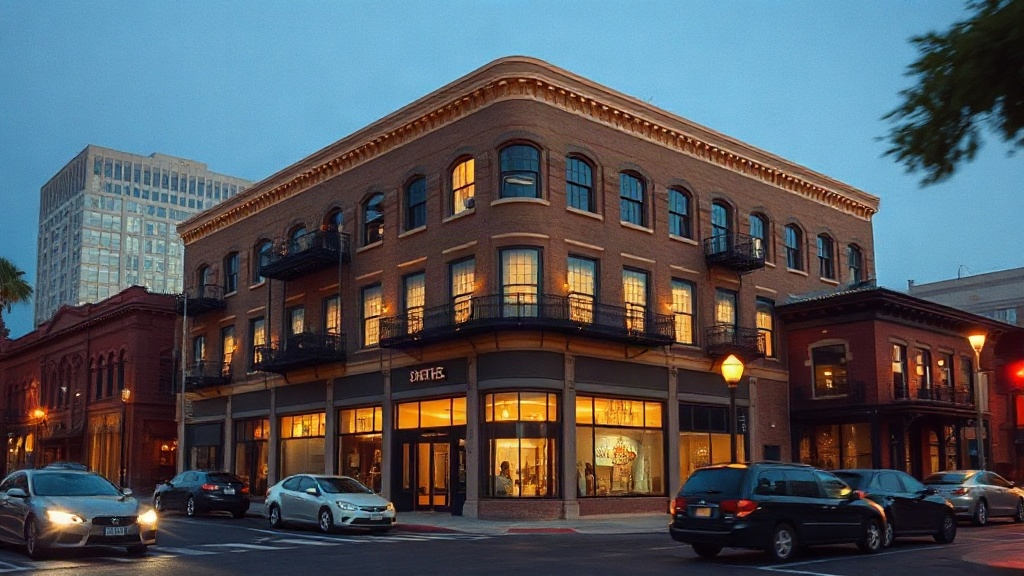
PHOENIX — Hospitality operator Aperture Hotels acquired downtown Phoenix’s historic Ellis Building for $10.3 million, finalizing a transaction that sets the stage for a complete adaptive reuse of the 102-year-old commercial property into a boutique hotel.
The commercial transaction, reported by the Times of India — Top Stories dispatch, transfers ownership of the six-story structure originally completed in 1922. Under the approved redevelopment strategy, the vacant office block will undergo an architectural conversion to yield between 95 and 105 guest rooms. The completed destination will join the Tribute Portfolio, an upscale collection of independent boutique properties operated under the global corporate umbrella of Marriott International.
Adaptive Reuse Architecture in Urban Cores
The planned transformation targets an architectural fixture in central Phoenix that had languished through several stalled revitalization efforts over the preceding decade. Modern urban planning initiatives frequently favor converting obsolete early-twentieth-century workplaces into lifestyle hospitality hubs rather than undertaking costly demolitions.
Built during an era defined by steel-reinforced masonry and classical exterior detailing, the Ellis Building features floor plates well suited for conversion to medium-sized lodging quarters. According to commercial real estate filings detailed in the official real estate transaction documentation, the structure’s durable internal column grid allows developers to configure custom room footprints while leaving the exterior envelope historically intact.
Converting classic commercial towers into hotels addresses a dual economic challenge seen across global municipal centers. As corporate tenants consolidate their physical footprint into modern office facilities, central business districts face rising vacancy rates. Transforming historic properties provides real estate sponsors with tax incentives, preservation credits, and immediate urban foot traffic, preventing long-term decay along key municipal corridors.
Operational Plan and Hospitality Infrastructure
Aperture Hotels plans to position the finished facility as a full-service hospitality destination that integrates local culinary concepts with corporate lodging capacity. The scope of work involves structural retrofits, completely revamped electrical and plumbing systems, and modern hospitality amenities.
In addition to the planned guest accommodations, the lower levels will incorporate a street-level restaurant and cocktail bar intended to serve both hotel guests and local workers. Incorporating active culinary venues represents a core element of Marriott's Tribute Portfolio model, which grants property owners operational autonomy to design unique food and beverage venues while maintaining access to corporate reservation systems.
Engineering assessments indicate that older concrete office buildings require significant mechanical overhauls to support lodging density. Each converted room requires independent climate control zones, acoustical dampening between suites, and modernized fire suppression systems. These infrastructural upgrades typically account for a significant portion of adaptive reuse budgets before interior hospitality finishes begin.
Market Dynamics and Investor Strategy
The $10.3 million acquisition arrives amid an influx of domestic and international institutional capital into Arizona's hospitality and urban lodging sectors. Central Phoenix has experienced sustained investment in university campuses, biomedical research facilities, and residential towers, creating steady demand for business-class accommodations.
Analyses published in the commercial hospitality project disclosure emphasize that independent boutique hotels under institutional flags generate stronger revenue per available room (RevPAR) than commoditized corporate suites. The Tribute Portfolio brand provides independent operators with the backing of a massive global customer base while allowing custom interior design that highlights local history.
Earlier attempts by preceding property syndicates to convert the Ellis Building into residential lofts or creative office spaces stalled due to shifting capital costs and supply chain constraints. Aperture Hotels’ entry indicates a pivot toward hospitality assets backed by predictable leisure and business travel patterns.
Lessons for Overseas Urban Redevelopment
The financial and operational framework guiding the Ellis Building's repurposing holds direct relevance for international municipal property markets, including tier-one commercial centers in India such as Mumbai, Kolkata, and New Delhi. Urban centers in both mature and emerging markets contain substantial inventories of vintage commercial properties that no longer meet the technological standards required by corporate office tenants.
Municipal authorities in cities like Mumbai have increasingly explored heritage-conservation policies that allow private developers to repurpose colonial-era stone and concrete buildings into lifestyle hotels and creative retail clusters. By balancing strict preservation ordinances with functional commercial repurposing, municipal bodies encourage private capital deployment without compromising structural heritage.
When obsolete office spaces are revitalized as lodging properties, they inject localized foot traffic that directly supports surrounding small businesses, restaurants, and public transit nodes during evenings and weekends. The Phoenix conversion serves as a direct case study in using private equity to salvage stranded architectural assets.
Regulatory Steps and Timeline to Completion
With the deed transfer finalized, the conversion team must secure final municipal building permits, historical preservation clearances, and zoning compliance approvals before heavy interior construction begins. Phoenix city officials require detailed environmental remediation plans alongside architectural blueprints before approving historic property modifications.
The development schedule anticipates interior demolition and preliminary utility integration to commence over the coming quarters, followed by interior framing and hospitality fit-outs. Aperture Hotels and project planners are scheduled to submit final construction timelines to municipal authorities following the completion of full structural engineering reviews.
Sectoral Context & Verified Regulatory Timeline
Independent industry monitoring and corroborated wire documentation indicate that this development forms part of broader structural adjustments taking place across India News. Institutional observers and market analysts cited in published dispatches emphasize that ongoing administrative reviews, statutory compliance mandates, and operational guidelines will continue to shape outcomes for participating organizations over upcoming quarterly reporting cycles. Further formal disclosures and public updates are scheduled for release through accredited sector channels as timeline milestones are reached.


