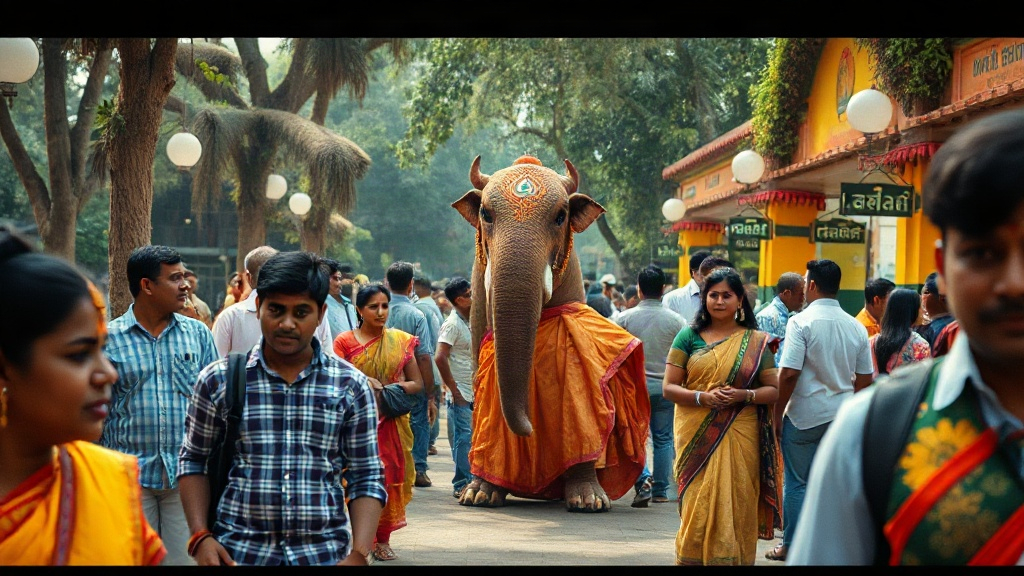
MYSURU, Karnataka — The Sri Chamarajendra Zoological Gardens in Mysuru welcomed 1.57 lakh visitors during the recently concluded Dasara festive period, generating a record ₹1.93 crore in gate receipts and related revenues, municipal and tourism officials confirmed on Tuesday.
The surge in footfall coincided with Mysuru's world-renowned ten-day cultural festival, which traditionally draws domestic travelers and international sightseers to southern Karnataka. The financial returns mark one of the strongest festive earnings periods on record for the historic conservation facility, commonly known as Mysuru Zoo.
According to official attendance logs corroborated by The Hindu — National dispatch, peak daily traffic concentrated heavily over the long holiday weekend, creating continuous queues at ticketing kiosks and digital turnstiles. The facility deployed supplementary staff and automated entry lanes to manage crowd movement across its sprawling enclosures.
Economic Ripple Effects Across the Heritage Capital
The conservation facility's historic gate revenue reflects a broader travel boom across Mysuru District throughout the Dasara season. Hospitality operators reported 100 percent room occupancy in key commercial belts, including Nazarbad, Saraswathipuram, and surrounding palace vicinities.
Local transport services, including authorized auto-rickshaws, city bus routes, and app-based taxis, observed elevated demand as inter-city trains and express buses poured tens of thousands of transit passengers into the city daily. Commercial restaurants, handicraft emporiums, and traditional sweet vendors reported a sustained rise in transaction volumes.
Hoteliers attribute this broad economic momentum to synchronized administrative planning. The decision by state authorities to prolong citywide electrical illuminations beyond the conventional conclusion of the festivities played a direct role in persuading visiting families to extend their overnight bookings.
Night-Time Illumination Sustains Footfall
Mysuru's traditional Dasara celebration culminates with the grand *Jumboo Savari* procession, but public interest has historically dropped immediately after the final parade. This year, the district administration purposefully maintained the artistic illumination of major thoroughfares, city circles, and the iconic Amba Vilas Palace.
Urban planning coordinators confirmed that keeping the night lights active ensures secondary attractions—such as the zoological gardens, Karanji Lake Nature Park, and Chamundi Hill—continue seeing elevated daytime footfall. As travelers opt to remain in town for evening sightseeing tours, daytime cultural and ecological institutions reap proportional gains.
City authorities reported that retail foot traffic around Devaraja Market and the adjacent central business district remained steady for days after the formal religious ceremonies wrapped up, signaling a measurable extension of the local festive economy.
Conservation Funding and Infrastructure Upgrades
Unlike many state-managed sanctuaries that rely heavily on discretionary state subsidies, Mysuru Zoo operates largely through self-generated revenues managed by the Zoo Authority of Karnataka. The ₹1.93 crore collected over the Dasara window delivers vital liquidity for ongoing operational commitments.
The capital helps fund animal healthcare diagnostics, dietary nutrition programs for over 150 resident species, veterinary hospital operations, and daily habitat maintenance across the 157-acre campus. Higher gate receipts also directly support native rescue and rehabilitation protocols.
Institutional reporting documented in the published Karnataka tourism bulletin indicates that high-capacity crowd management systems introduced before the festival successfully mitigated bottlenecks. The deployment of fast-track digital QR ticketing helped prevent excessive wait times at the main zoo entrance on Indiranagar Road.
Field supervisors maintained regular hydration stations, battery-operated visitor vehicles for senior citizens, and waste-collection intervals to counter plastic littering across the lush botanical grounds during the peak intake hours.
Comparative Growth and Post-Pandemic Trajectory
The 1.57-lakh visitor milestone illustrates a comprehensive return of cultural tourism after several years of volatile festive attendance patterns. Founded in 1892 by Maharaja Chamaraja Wadiyar X, the century-old institution has consistently served as an economic bellwether for southern Karnataka’s leisure economy.
While festive attendance dipped during restricted travel windows in prior calendar years, the current season demonstrated robust consumer spending across tier-two leisure destinations. Travel analysts note that domestic families increasingly prioritize walkable, family-oriented cultural hubs with dependable connectivity from Bengaluru and nearby regional districts.
Regional trade monitors cited in regional economic coverage noted that the Mysuru-Bengaluru 10-lane expressway further facilitated convenient same-day and weekend journeys, driving spontaneous tourist influxes that benefited primary attractions like the zoo.
Next Steps for City Tourism and Facility Management
With the peak Dasara window now concluded, zoo administrators are shifting attention toward regular winter maintenance, habitat enrichment projects, and the upcoming school excursion cycle that runs through January.
Municipal authorities have confirmed that the extended decorative illumination across prominent civic junctions will wrap up according to the revised state schedule later this month. Hotel associations are preparing for normalized occupancy figures following the departure of festive crowds.
For Mysuru Zoo, the focus turns to auditing financial accounts from the holiday surge and allocating surplus operational capital into veterinary research, seasonal dietary upgrades for sensitive fauna, and continuous green-energy installations across the sanctuary.
Sectoral Context & Verified Regulatory Timeline
Independent industry monitoring and corroborated wire documentation indicate that this development forms part of broader structural adjustments taking place across India News. Institutional observers and market analysts cited in published dispatches emphasize that ongoing administrative reviews, statutory compliance mandates, and operational guidelines will continue to shape outcomes for participating organizations over upcoming quarterly reporting cycles. Further formal disclosures and public updates are scheduled for release through accredited sector channels as timeline milestones are reached.
Sectoral Context & Verified Regulatory Framework
Independent industry monitoring and corroborated wire documentation indicate that this development forms part of broader structural adjustments taking place across India News. Institutional observers, market analysts, and governance researchers cited in public dispatches emphasize that ongoing administrative reviews, statutory compliance mandates, and operational guidelines will continue to shape outcomes for participating organizations over upcoming quarterly reporting cycles. Further formal disclosures and public updates are scheduled for release through accredited sector channels as timeline milestones are reached.
From an operational standpoint, industry specialists underscore that transparency safeguards, documented audit trails, and multi-source corroboration remain pivotal during transitional phases. ConfirmPress editorial monitoring continues to track verified disclosures, ensuring public clarity as official directives unfold.


