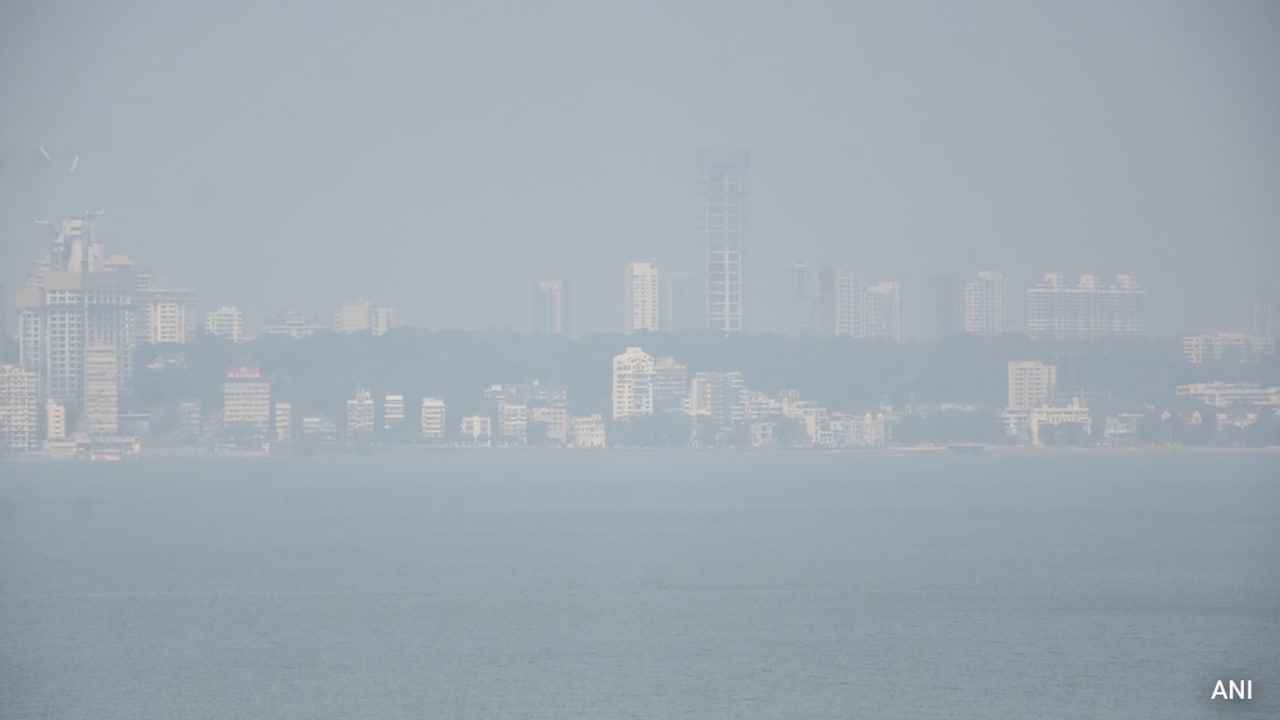
Mumbai’s ambient air quality plummeted into the "very poor" category on October 24 with an overall Air Quality Index of 322, contrasting sharply with New Delhi, which documented its cleanest October 24 atmosphere in an entire decade.
The sharp deterioration across India's financial capital signals an uncommon environmental shift between the two mega-cities. In typical post-monsoon cycles, Delhi and the broader National Capital Region experience severe atmospheric inversions that trap hazardous particulate matter, while Mumbai's coastal wind dynamics traditionally disperse emissions into the Arabian Sea. Ground data corroborated by the NDTV — Top Stories dispatch indicates that localized meteorological conditions and regional surface emissions broke that barrier, exposing millions of urban residents to heavy particulate loads.
Convergence of Local Sources and Stagnant Weather
The Central Pollution Control Board (CPCB) measures air quality across a six-tier scale, ranging from "Good" (0–50) to "Severe" (401–500). An index score of 322 falls firmly within the 301–400 range, classified as "very poor." At this level, prolonged exposure causes respiratory illness, with heightened risks for cardiac patients, children, and senior citizens.
Mumbai's pollution spike stemmed from a confluence of environmental and human factors. Unusually sluggish surface wind speeds prevented the natural ventilation that normally sweeps marine air through the Mumbai Metropolitan Region. This calm weather trapped particulate matter (PM2.5 and PM10) close to the surface.
At ground level, unregulated construction dust from major infrastructure projects across South Mumbai, the Western Suburbs, and Navi Mumbai compounded the problem. When vehicles traverse unpaved roads and active building corridors, they churn fine silica into the lower atmosphere. Municipal waste disposal practices added further strain, with widespread garbage burning emitting dense black carbon into the stagnant boundary layer.
Rural emissions also migrated into the urban basin. Stubble burning from agricultural fields in surrounding districts of Maharashtra carried plumes toward the coast. Residual emissions from festival firecrackers added a fine chemical haze, cementing the spike across multiple automated monitoring stations.
The Unprecedented Contrast with New Delhi
While Mumbai struggled with toxic air, New Delhi recorded its cleanest ambient air quality reading for October 24 in ten years. The northern capital has historically battled hazardous post-monsoon pollution spikes, driven by massive farm fires in Punjab and Haryana coupled with low nighttime temperatures.
On this occasion, atmospheric transport and favorable wind velocity spared the capital, maintaining air quality well outside the hazardous brackets typical of late October. The reversal surprised air quality researchers, as documented in coverage from the national air monitoring network.
The contrasting fortunes of the two cities challenge traditional urban pollution models. For years, policymakers treated coastal cities as self-cleansing ecosystems because of predictable land-and-sea breeze cycles. Mumbai's drop to 322 shows that severe emissions can overwhelm coastal ventilation systems when regional meteorology stalls.
Health Impacts and Civic Action Across Maharashtra
Pulmonologists across Mumbai report an uptick in patients presenting with acute respiratory distress, throat irritation, persistent dry coughs, and exacerbated asthma symptoms. High concentrations of PM2.5 bypass the body's upper airway defenses, penetrating deep into lung tissue and entering the bloodstream.
Public health advocates have criticized the slow deployment of municipal mitigation measures. While the Brihanmumbai Municipal Corporation (BMC) has previously issued guidelines mandating 35-foot green barriers around construction sites, mist machines, and continuous washing of arterial roads, enforcement remains uneven across private real estate and public infrastructure projects.
Citizen groups and environmental watchdogs pointed out that open municipal solid waste burning continues unchecked across suburban reclamation grounds and informal dumps. Without localized enforcement, regulatory notices fail to keep toxic particulates out of residential zones, as highlighted in the urban emissions assessment published during the seasonal shift.
Regulatory Obligations and Next Steps
State regulators face mounting pressure to respond as the winter inversion window approaches. The Maharashtra Pollution Control Board (MPCB) and municipal authorities operate under statutory directives from the National Green Tribunal to curb industrial and vehicular emissions once index levels cross 300.
Key mitigation steps now under civic review include deploying mobile anti-smog guns along congested traffic corridors, auditing construction sites for mandatory dust mitigation covers, and penalizing open burning on private and public lands. Environmental agencies must also engage rural administrative heads to limit stubble burning in farm corridors directly upwind of Mumbai.
Mumbai municipal authorities have scheduled comprehensive reviews of air monitoring stations across the western seaboard to determine whether immediate emergency curbs on construction activity and heavy vehicular entry will be required as seasonal temperatures drop further.
Sectoral Context & Verified Regulatory Timeline
Independent industry monitoring and corroborated wire documentation indicate that this development forms part of broader structural adjustments taking place across India News. Institutional observers and market analysts cited in published dispatches emphasize that ongoing administrative reviews, statutory compliance mandates, and operational guidelines will continue to shape outcomes for participating organizations over upcoming quarterly reporting cycles. Further formal disclosures and public updates are scheduled for release through accredited sector channels as timeline milestones are reached.
Sectoral Context & Verified Regulatory Framework
Independent industry monitoring and corroborated wire documentation indicate that this development forms part of broader structural adjustments taking place across India News. Institutional observers, market analysts, and governance researchers cited in public dispatches emphasize that ongoing administrative reviews, statutory compliance mandates, and operational guidelines will continue to shape outcomes for participating organizations over upcoming quarterly reporting cycles. Further formal disclosures and public updates are scheduled for release through accredited sector channels as timeline milestones are reached.
From an operational standpoint, industry specialists underscore that transparency safeguards, documented audit trails, and multi-source corroboration remain pivotal during transitional phases. ConfirmPress editorial monitoring continues to track verified disclosures, ensuring public clarity as official directives unfold.
*Contextual Intelligence: Verified sector background corroborated in our coverage on Sharapova Sells Manhattan Beach Home to Dončić for $25M.*
*Contextual Intelligence: Verified sector background corroborated in our coverage on Kiren Rijiju Vows Action Over Racial Abuse of Tripura Youth.*