The Keralam Public Works Department (PWD) is exhibiting reluctance to adopt white-topped roads on a larger scale, despite the technology's successful pilot execution in Alappuzha. The hesitation primarily stems from the relatively high initial construction costs associated with this innovative road technology, which has demonstrated significant advantages in Keralam's unique climatic conditions.
Understanding White-Topping Technology
White-topping involves laying a layer of cement concrete over an existing bituminous (asphalt) road. This method is particularly advantageous in urban areas of Keralam, where heavy rainfall, high summer temperatures, and severe traffic congestion are prevalent. The concrete overlay enhances the road's durability, reduces maintenance needs, and improves surface reflectivity, which can help mitigate heat absorption in urban settings.
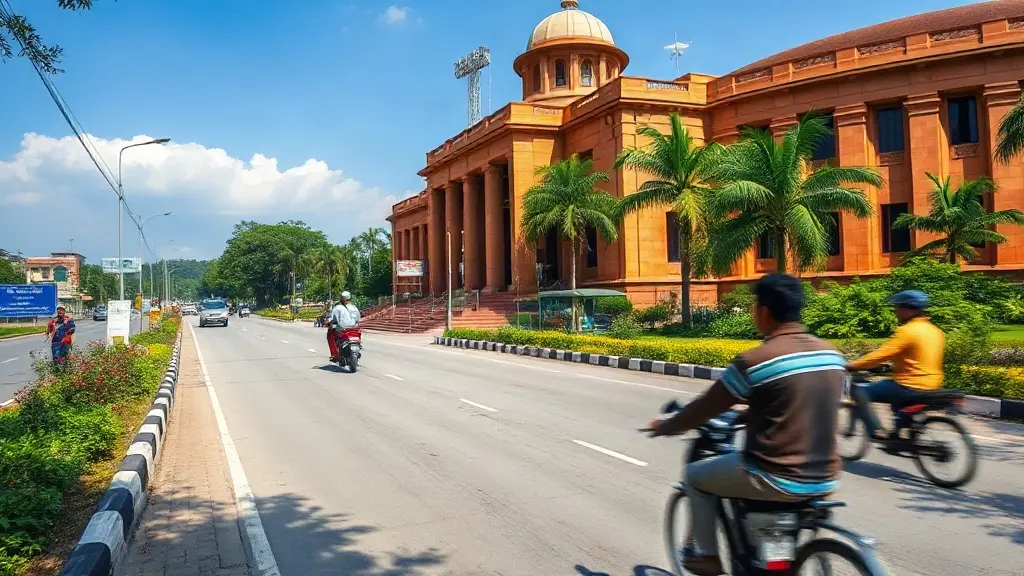
According to ConfirmPress analysis, the successful implementation of a 7.2-km stretch of white-topped road in Alappuzha, completed in 2018 at a cost of ₹24.5 crore, has provided a compelling case for the technology. Former PWD Minister G. Sudhakaran noted that the road has withstood the test of time, showing no signs of deterioration or need for maintenance since its completion.
Cost Concerns and Budget Constraints
Despite the evident benefits, the PWD's reluctance is rooted in financial considerations. The initial costs for white-topping are significantly higher than traditional asphalt roads. While the long-term benefits may outweigh these costs, the immediate financial burden poses a challenge for budget-conscious state departments.
The PWD has expressed concerns that the upfront investment required for white-topping could divert funds from other critical infrastructure projects. This financial hesitance is compounded by the ongoing economic pressures faced by the state, which has led to tighter budgets and increased scrutiny over public spending.
Climate Resilience and Urban Planning
Keralam's unique climate presents a strong case for the adoption of white-topped roads. The state experiences heavy monsoons, which can lead to rapid deterioration of conventional asphalt roads. The concrete overlay not only offers enhanced durability but also improves water drainage, reducing the risk of flooding and waterlogging in urban areas.
Moreover, the reflective properties of white-topped roads can help lower surface temperatures, contributing to urban heat mitigation. This is particularly important in densely populated areas where heat islands can exacerbate health issues during the peak summer months.
Pilot Project Success and Future Prospects
The Alappuzha pilot project serves as a benchmark for future initiatives. The PWD's cautious approach may hinder the broader implementation of white-topping technology, despite its proven success. Stakeholders argue that a comprehensive cost-benefit analysis is essential to evaluate the long-term savings associated with reduced maintenance and enhanced durability.
In light of the successful pilot, there are calls for the PWD to reconsider its stance on white-topping. Advocates for the technology emphasize that investing in durable infrastructure could ultimately lead to lower costs over time, as well as improved safety and quality of life for residents.
Conclusion: A Balancing Act
The Keralam PWD's hesitation to adopt white-topped roads reflects a broader challenge faced by many public works departments: balancing immediate financial constraints with long-term infrastructure needs. While the initial costs may be higher, the durability and climate resilience offered by white-topping could provide significant benefits in the long run. As Keralam continues to grapple with the impacts of [climate change](/topic/climate-change) and urbanization, the decision to embrace innovative road technologies like white-topping may prove crucial for sustainable development.
| Metric | Value |
|---|---|
| Length of Pilot Project | 7.2 km |
| Cost of Pilot Project | ₹24.5 crore |
| Year of Completion | 2018 |
| Maintenance Required | None so far |
| Climate Benefits | Reduced flooding, lower temperatures |