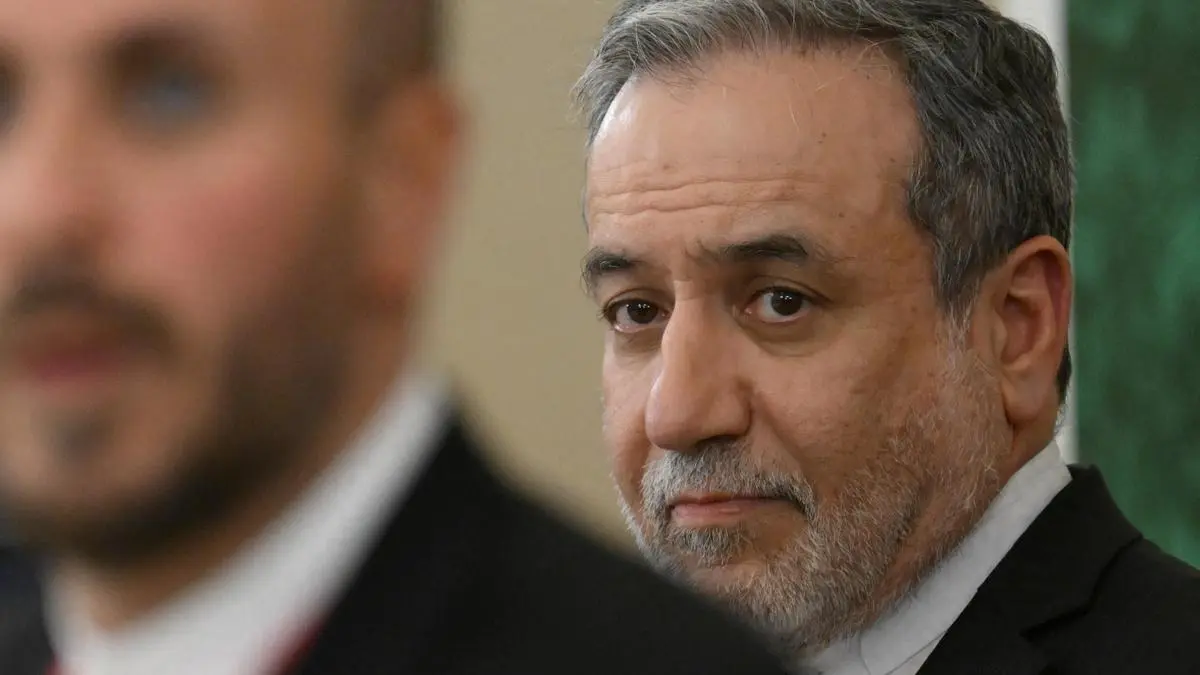
Iran warned on October 28 that any new Israeli-led attack could trigger severe disruption across energy markets, threatening both investors and consumers who depend on Gulf oil and liquefied natural gas supplies.
Iranian Foreign Minister Abbas Araghchi said the potential impact on international markets was a major concern for gas producers and buyers. He made the comments in a post on X after discussions at the Gas Exporting Countries Forum summit in Moscow.
“Devastating impact on int’l markets of any Israel-instigated military misadventure in Persian Gulf region remains major concern for both gas suppliers and consumers,” Araghchi said.
The warning came as votes were being counted in Israel’s October 27 election. The result could influence Prime Minister Benjamin Netanyahu’s political future and the direction of Israel’s policy towards Iran.
Israel and Iran have fought directly for the first time after decades of hostility. The conflict began in February and has disrupted energy shipments from Gulf countries. Iran has restricted shipping through the Strait of Hormuz and attacked vessels attempting to cross without its authorisation, while the United States has maintained a naval blockade of Iranian ports.
The Strait of Hormuz is the central economic risk. Around one-fifth of the world’s oil and liquefied natural gas has historically passed through the waterway, making any prolonged disruption capable of pushing up freight, fuel and power costs.
There has been no verified price figure in the available facts showing a specific increase in crude oil, gas or consumer fuel prices following Araghchi’s warning. The immediate impact is therefore a rise in geopolitical risk rather than a documented market move.
For investors, the warning increases the possibility of sharper swings in oil, gas, shipping and airline-related assets if military action affects the waterway. Energy producers could benefit from higher prices, while transport, manufacturing and consumer companies could face increased costs.
For households, the main risks are higher petrol, diesel, cooking gas and electricity prices if energy shipments remain restricted. The scale and duration of any impact would depend on whether fighting spreads, whether commercial vessels can continue using the Strait of Hormuz and how quickly alternative supplies reach buyers.
Netanyahu has said Israel has an opportunity to eliminate what he calls an “existential threat” posed by Iran. Tehran, meanwhile, has warned that another attack would carry consequences well beyond the two countries’ borders.
The warning does not establish that a new attack has begun or that global prices have already surged. It signals Tehran’s concern that renewed military action could turn an existing regional conflict into a broader energy and economic crisis.
| Milestone or benchmark | What is known | Potential economic significance |
|---|---|---|
| October 27, 2026 | Israel held an election while tensions with Iran remained high | The result could shape decisions on further military action |
| October 28, 2026 | Abbas Araghchi warned of devastating international market effects | Investors face greater uncertainty in energy and shipping assets |
| Strait of Hormuz | Around one-fifth of global oil and LNG shipments have used the route | Disruption could raise fuel, freight and power costs |
| February 2026 onward | Direct Iran-Israel conflict disrupted Gulf energy shipments | Prolonged restrictions could affect suppliers, businesses and consumers |
Key Factual ClarificationsEditorial Q&A
Why is Iran warning about economic fallout?
Iran says a new Israeli-led attack in the Persian Gulf could disrupt energy shipments and damage international markets, affecting both gas suppliers and consumers.
What is the Strait of Hormuz?
The Strait of Hormuz is a key waterway between the Persian Gulf and the Gulf of Oman. Around one-fifth of the world’s oil and liquefied natural gas has historically passed through it.
Has Iran’s warning already caused oil or gas prices to rise?
The available facts do not provide a verified price increase linked specifically to the October 28 warning. The immediate effect is heightened market and geopolitical risk.
How could investors be affected?
Oil, gas and shipping assets could become more volatile. Airlines, transport companies and manufacturers may face higher operating costs if fuel and freight prices rise.
How could consumers be affected?
A prolonged disruption could increase petrol, diesel, cooking gas, electricity and transport costs. The actual impact would depend on the duration and spread of any conflict.
Has Israel announced a new attack on Iran?
The facts available do not establish that a new Israeli attack had begun on October 28. Iran’s statement was a warning about the possible consequences of renewed military action.