NEW DELHI — India has abandoned plans to mandate coal imports for its power generation facilities as surging international fuel prices and a weakened domestic currency substantially increase procurement expenses, according to reporting by Times of India — Top Stories.
The decision comes at a precarious moment for the nation's energy grid, with coal stockpiles at numerous generating stations sinking to critically low levels. The diminished inventories have intensified concerns regarding widespread electricity shortages across the country, where power utilities depend heavily on coal-fired generation to satisfy domestic demand.
Pressure from Currency and Global Markets
The move away from compulsory foreign purchases reflects the steep financial burden facing state utilities and private power producers. Surging global prices on international commodity exchanges, coupled with a depreciating rupee, have driven up the landed cost of imported thermal coal. Officials determined that requiring power stations to blend expensive foreign shipments with local fuel was no longer economically viable under current fiscal conditions.
Despite the immediate risks to power supply reliability, authorities determined that imposing quotas for overseas fuel would place an excessive financial strain on utilities and ultimately push generation costs higher.
Pivot to Domestic Production and Logistics
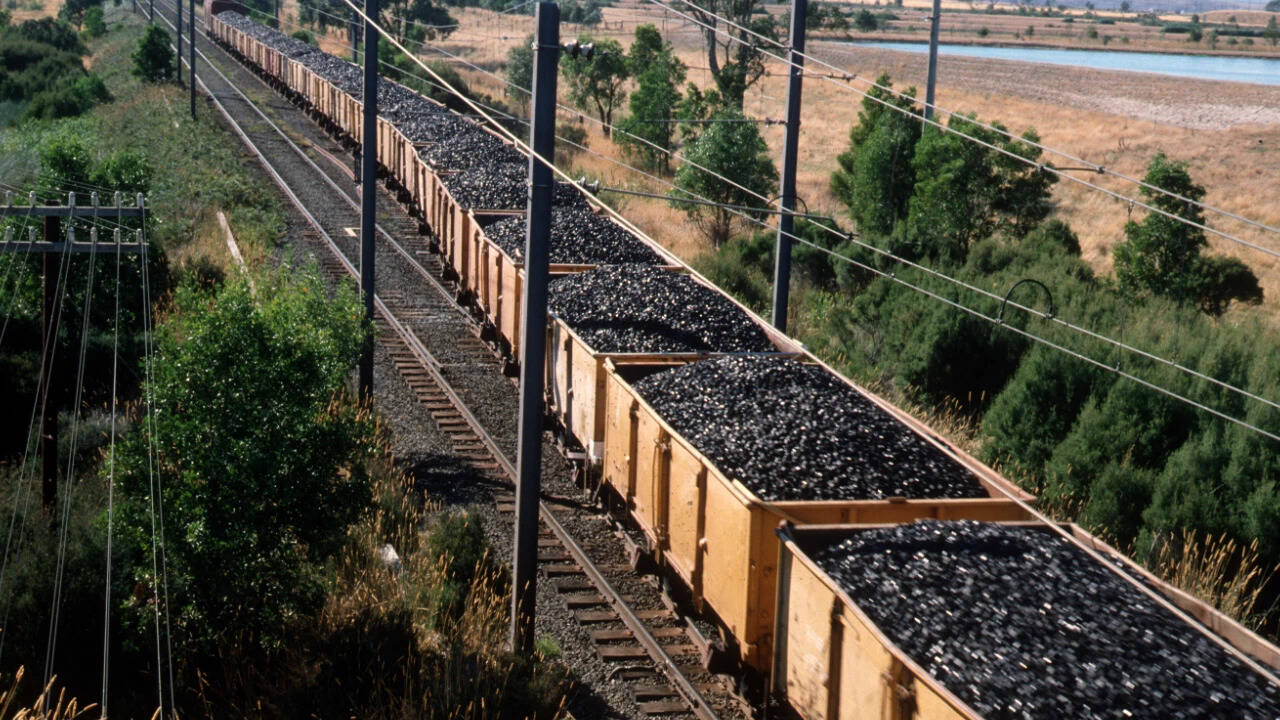
With mandatory imports off the table, Indian policymakers have shifted their attention to domestic alternatives to avert widespread power cuts. Government agencies are directing their efforts toward ramping up production from local mines and resolving significant logistical bottlenecks that have impeded the movement of fuel from pitheads to power stations.
Authorities are concentrating on expanding extraction targets and working to improve transport infrastructure, primarily rail freight capacity, to ensure domestic supplies move rapidly to depleted generating facilities. The strategy relies heavily on the ability of state-run miners and transport networks to accelerate deliveries before low reserves cause disruptions across the electricity grid.