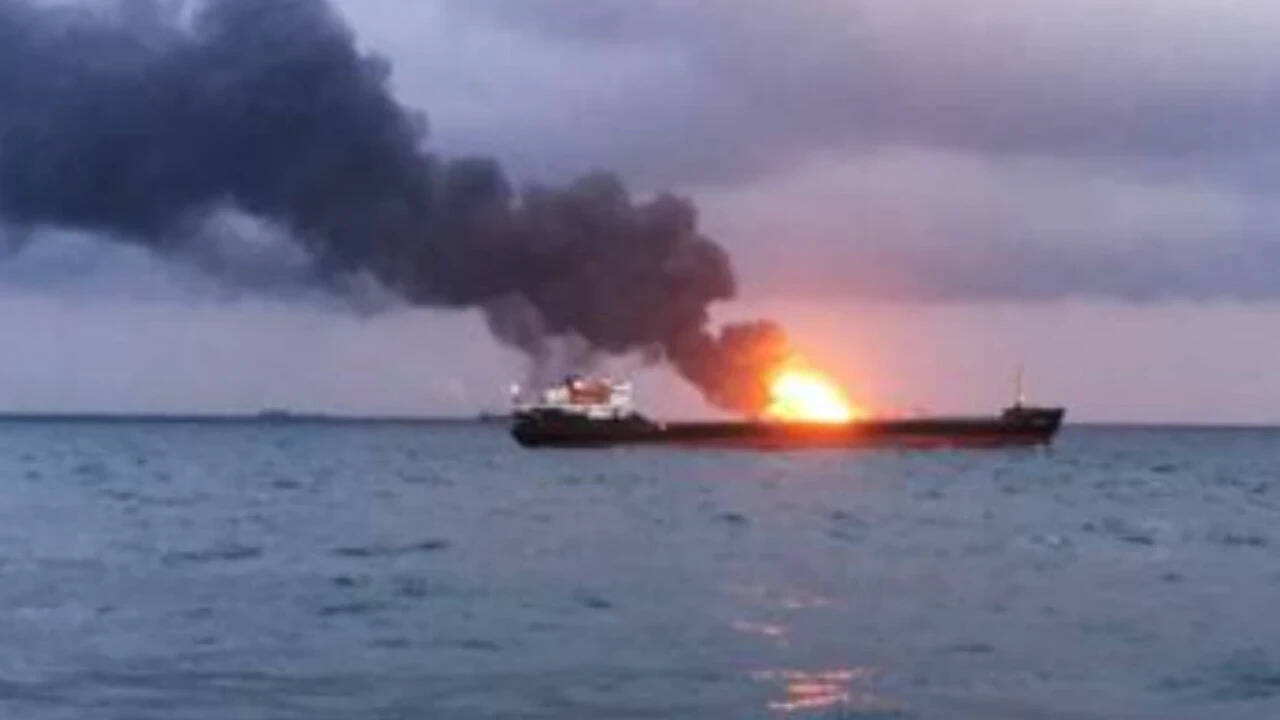
Yemen's Houthi movement announced on Saturday that a vessel transporting 14 Indian nationals was struck off the Yemeni coastline, accusing Saudi Arabia of carrying out the attack and initiating maritime rescue operations in the surrounding waters.
The unverified claim, reported in a Times of India — Top Stories dispatch, places a direct spotlight on the safety of civilian maritime laborers operating across contested Middle Eastern waterways. Riyadh has not issued an official response to the accusation, and regional defense monitors have yet to confirm the exact nature of the damage or any casualties sustained aboard the vessel.
Search and Rescue Mobilization
Following the reported strike, maritime units controlled by the Houthi administration mobilized emergency rescue teams to locate and assist the 14 Indian nationals on board. Houthi officials did not immediately specify the exact coordinates of the incident or disclose the functional designation of the targeted craft, whether it was a small cargo dhow, a commercial transport vessel, or a fishing craft.
Civilian vessels frequently transit the narrow maritime corridors linking the Red Sea, the Bab el-Mandeb Strait, and the Gulf of Aden. Indian seafarers form a substantial portion of merchant marine crews and regional logistical shipping across these routes, routinely facing heightened security risks from drone strikes, naval blockades, and cross-border exchanges.
Emergency services in coastal Yemen reported working against challenging maritime conditions to verify the welfare of the passengers, according to monitoring outlined in the regional maritime tracking coverage. Diplomatic missions across the Gulf region routinely maintain round-the-clock crisis cells to track such incidents when foreign nationals are reported missing or injured at sea.
Diplomatic Ramifications for New Delhi
The involvement of Indian citizens places immediate pressure on India's Ministry of External Affairs (MEA) to establish contact with both maritime authorities and international missions in the region. New Delhi maintains active embassies in Riyadh, Saudi Arabia, and across the Arabian Peninsula, while handling Yemeni consular matters largely through coordinated diplomatic channels in neighboring Oman and Saudi Arabia.
India has consistently maintained a policy focused on ensuring the security of international sea lanes while safeguarding the large diaspora of Indian citizens living and working throughout West Asia. Thousands of non-resident Indians serve aboard commercial vessels or operate smaller trade boats carrying goods between Gulf ports and East Africa.
When crossfire or military strikes imperil Indian nationals abroad, standard diplomatic protocol requires Indian authorities to demand formal verification from coastal control authorities, establish emergency consular assistance, and seek clear answers regarding the sequence of military actions, as seen in previous Red Sea rescue situations recorded by consular crisis reporting networks.
Contested Waters and Unresolved Evidence
The waters off Yemen remain among the most heavily militarized and volatile chokepoints in global logistics. The Saudi-led coalition has historically enforced maritime surveillance and inspection regimes to prevent weapons smuggling into Houthi-controlled territory, while Houthi forces have launched numerous missile and drone attacks targeting commercial shipping vessels and coalition assets.
Because Houthi authorities frequently leverage claims of foreign civilian endangerment during periods of escalating military friction, defense analysts urge caution until independent maritime tracking data can substantiate the event. Neither the United Kingdom Maritime Trade Operations (UKMTO) nor the United States Naval Forces Central Command had issued formal hazard notices directly corroborating the alleged Saudi attack in the hours immediately following the Houthi announcement.
Independent naval monitors emphasize that distinguishing between accidental kinetic strikes, naval warnings, and deliberate target engagements requires physical vessel inspections and recorded radio transcripts. Until official communications are published by the Saudi Ministry of Defense or confirmed by Indian consular representatives, the Houthi statement stands as an unverified unilateral allegation.
Official Inquiries and Next Steps
The immediate priority remains establishing the precise whereabouts, medical conditions, and identities of the 14 Indian citizens reported to be on board the craft. Families of overseas maritime workers in coastal Indian states—including Kerala, Gujarat, and Tamil Nadu—routinely await clarity from the MEA whenever maritime disruptions occur in the Red Sea.
Indian consular officials are expected to liaise directly with regional maritime coordinators and Saudi defense contacts to confirm whether an engagement occurred and to ensure safe evacuation routes if survivors are brought ashore. Diplomatic updates clarifying the status of the crew members and the verified circumstances of the incident are anticipated within the coming 24 hours.


