Michael Criscuolo, a residential tenant in Connecticut, has received none of the $1.6 million legal judgment awarded to him in January 2026 after landlord Sim Levenhartz refused to pay, according to Criscuolo's legal counsel.
Criscuolo suffered severe, life-altering injuries in 2024 when he tripped over broken concrete debris left outside his unlit apartment building. The severe trauma and subsequent medical complications eventually forced doctors to amputate his toe. A court later determined that the property owner acted with clear negligence in maintaining the premises, granting Criscuolo the multi-million-dollar award.
Despite the judicial ruling, the financial payout remains stalled. Levenhartz has mounted a legal appeal against the verdict, effectively halting the transfer of funds while the appellate court reviews the case, as detailed in reporting by the Times of India — Top Stories dispatch.
Unlit Pathway and the Amputation
The incident took place when Criscuolo was walking outside his residential complex during dark hours. The exterior grounds lacked functional lighting, concealing chunks of discarded concrete and construction rubble directly in the pedestrian pathway.
Criscuolo tripped over the unaddressed masonry, sustaining heavy impact injuries to his foot. The resulting physical trauma did not heal properly, leading to advanced tissue failure and an eventual surgical amputation.
During the civil trial, Criscuolo's attorneys demonstrated that the landlord failed to observe basic safety codes, leaving hazards in common areas without warning signs or illumination. The court concluded that this failure directly caused the tenant's catastrophic physical harm.
The Legal Delay and Non-Payment
Although the court entered a binding judgment ordering Levenhartz to pay $1.6 million, Criscuolo's legal team confirms that their client has not received a single cent. Landlords facing significant civil judgments often seek stays of execution while exhausting appellate review mechanisms.
By filing an appeal, the defense can prolong post-trial proceedings for months or even years. This strategy places immense pressure on injured plaintiffs, who often struggle under substantial medical debt and loss of physical mobility while waiting for final enforcement.
Legal records documented by the published civil court case history show that the primary judgment rested on documented landlord neglect, a finding that defense counsel continues to challenge in higher court filings.
Compounding Property Violations and Municipal Scrutiny
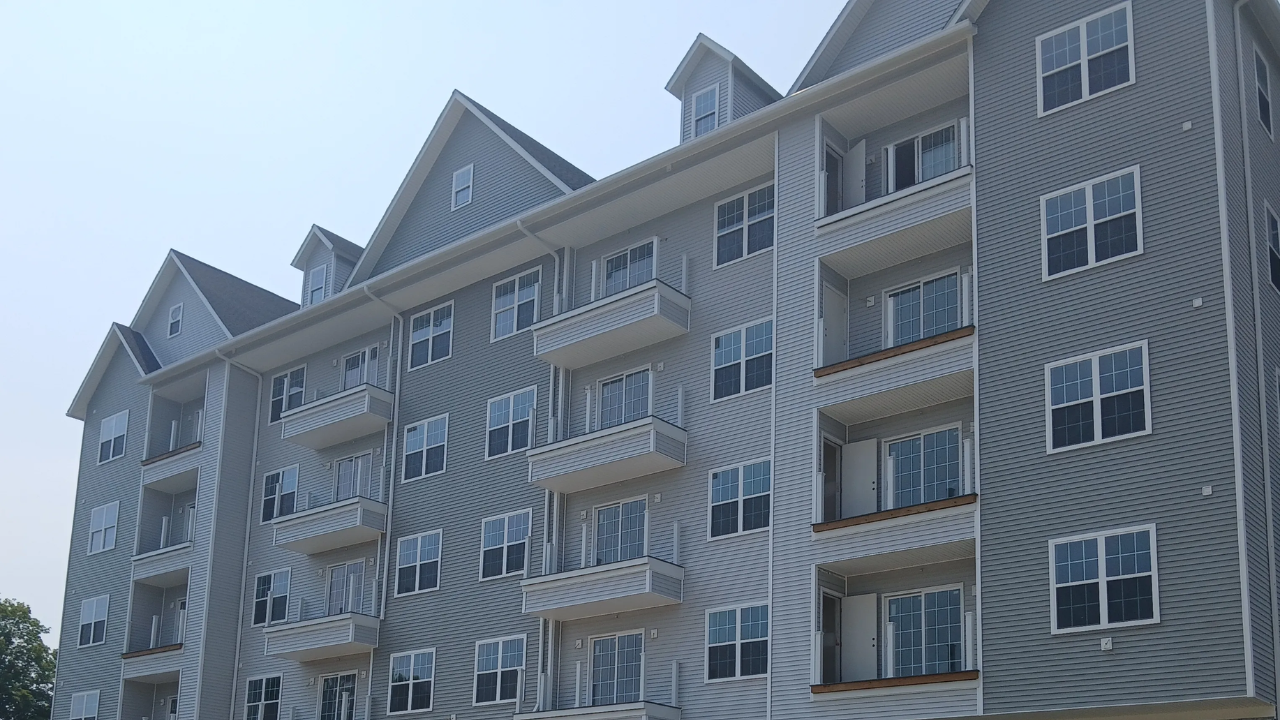
While the legal battle over the injury payout drags on, the apartment complex itself has continued to fall into disrepair. Local housing and building inspectors have repeatedly cited the site for maintenance failures.
Municipal authorities have levied escalating fines against Levenhartz as structural decay, uncleared hazards, and exterior neglect persist across the property grounds. Neighbors and tenants report that necessary structural remediation has been consistently postponed, according to accounts tracked in the official municipal housing violations report.
The accumulation of civic penalties highlights an ongoing pattern of deferred maintenance that extends beyond the specific hazard that injured Criscuolo. In many municipal jurisdictions, unpaid fines can lead to municipal tax liens or direct receivership actions by city governments.
Parallels in Global Housing and Tenant Protections
Criscuolo's prolonged battle demonstrates the gap between securing a courtroom victory and collecting financial compensation, a challenge familiar to tenant advocates worldwide. In countries with expanding urban populations, such as India, residential welfare associations and municipal bodies regularly battle similar slumlords and negligent property managers who ignore building codes until catastrophic harm occurs.
Under international legal norms, property owners bear an affirmative duty of care toward residents to keep shared passages, lighting, and entryways free of dangerous obstacles. When those duties are violated, prompt enforcement of judicial restitution remains the central metric of tenant protection.
The next decisive step rests with the Connecticut appellate division, which will schedule oral arguments to review Levenhartz's appeal. If the appellate judges uphold the original January 2026 ruling, Criscuolo's legal team can initiate formal asset attachment and wage garnishment procedures to forcibly satisfy the $1.6 million judgment.


