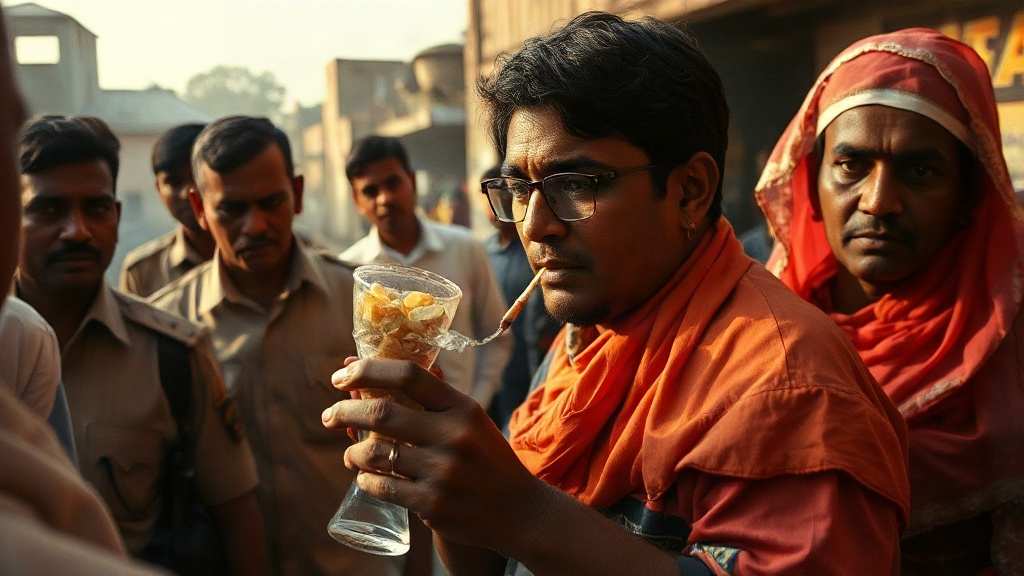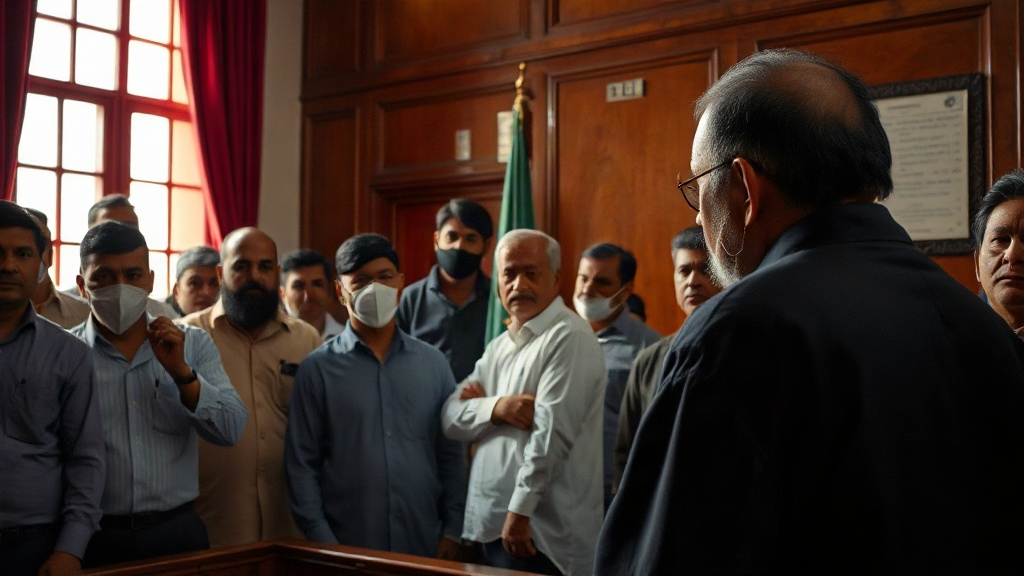
Digital pressure politics is fundamentally altering democratic accountability across India, extending public scrutiny of institutions well beyond traditional electoral cycles, according to reporting by 360info.
The development marks an evolution in how citizens, advocacy groups, and political actors interact with state authority. Rather than confining civic engagement to periodic visits to the polling booth, digital platforms have created continuous mechanisms for public mobilization, immediate reaction, and sustained demands for institutional transparency.
Shifting Dynamics of Democratic Oversight
Under this emerging framework, digital campaigns allow civic coalitions to rapidly organize around specific policy decisions, legislative proposals, and administrative missteps. According to 360info, these digital networks function as an ongoing system of checks and balances, forcing elected officials and administrative bodies to respond to public sentiment in real time.
This continuous scrutiny changes how governance operates on a day-to-day basis. Issues that previously struggled for visibility in traditional political discourse can now gain rapid traction, enabling decentralized groups of citizens to apply direct pressure on governing bodies without waiting for formal election seasons.
Challenges Beyond the Polling Booth
While this digital engagement expands public participation, it also introduces operational complexities for democratic institutions. Governance increasingly unfolds in an environment of rapid digital reactions, where online narratives can influence policy debates within hours.
The findings from 360info indicate that digital pressure politics is no longer a peripheral feature of Indian democracy, but an established pillar of political accountability. As online engagement deepens across the country, the interaction between networked citizens and state institutions continues to reshape how democratic mandates are practiced and maintained.