A citizen-led civic platform developed by a 16-year-old high school student from New Delhi has logged 2,927 road complaints across Delhi, Mumbai, and Bengaluru, successfully tracking 190 documented repairs.
Parth Anand, a Class XI student at St Francis de Sales School and a resident of Vikaspuri, created the platform known as Project Sadak to automate the process of reporting road hazards and routing them directly to the appropriate civic bodies. According to an investigation detailed by The Hindu's Delhi report, the initiative uses artificial intelligence to ease the burden on ordinary citizens who often struggle to navigate overlapping municipal jurisdictions.

Origin: Personal Trauma Sparks a Technological Solution
The initiative stemmed from a personal crisis three years earlier, when Anand was 13 years old. His parents were traveling by motorcycle to Karol Bagh to purchase clothes for his grandparents' wedding anniversary when their two-wheeler struck a deep pothole, throwing both riders onto the road. The accident resulted in severe injuries; his mother took two months to recover, while his father required six months of medical rehabilitation.
“This incident and seeing more accidents on the roads made me think that I did not want this to happen to my parents or anyone else again,” Anand told reporters.
Motivated by the incident, Anand began studying web development and programming in January 2026. Recognising that citizens often abandon reporting hazardous streets because they do not know whether a road falls under the municipal corporation, the public works department, or a development authority, he designed an AI-based routing mechanism. Project Sadak officially launched publicly in March 2026.

Photographic Documentation
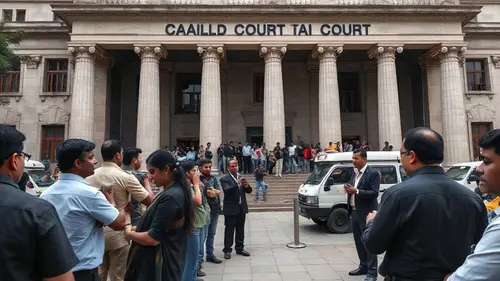
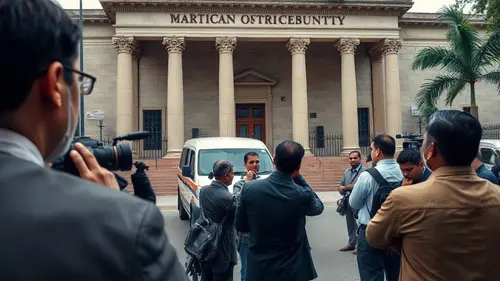
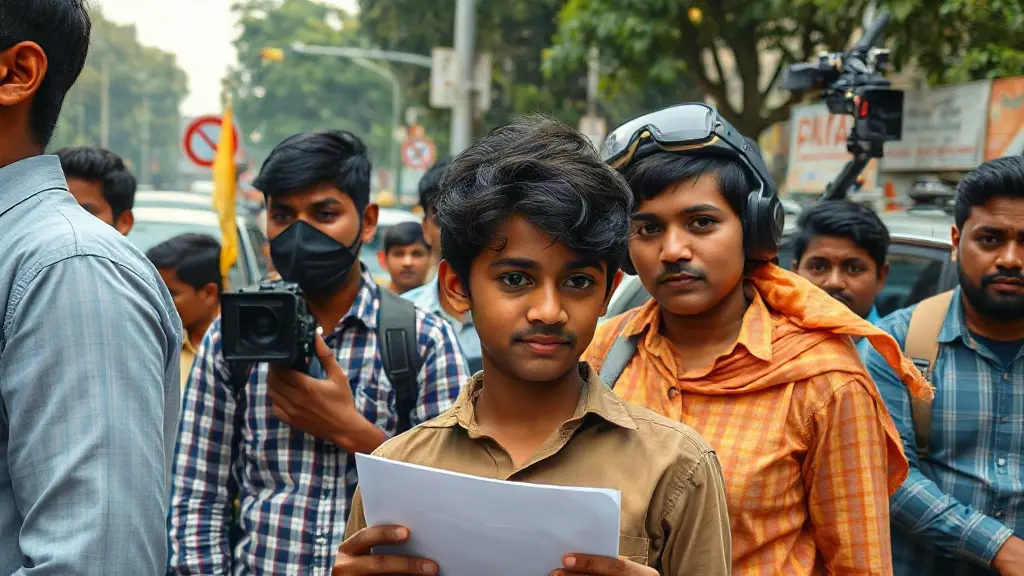
Three Cities — verified documentary press visual.
Platform Mechanics and Complaint Distribution
The Project Sadak website features an interactive live map displaying verified hazard locations in real time. When users upload photographs and location coordinates of damaged infrastructure, the platform's backend evaluates the data and matches the geographic location to the responsible municipal or state agency, dispatching notifications automatically.
As verified on October 26, 2026, the database had registered thousands of individual submissions across India's major metropolitan areas. Nearly 75% of all flagged issues involve potholes, poorly marked speed breakers, and uneven road surfaces. The remaining 25% account for peripheral civic defects, including broken pedestrian footpaths, open manholes, and uncollected roadside garbage dumps.
| Metric / Category | Recorded Statistic | Primary Details |
|---|---|---|
| Total Complaints Logged | 2,927 | Across Delhi, Mumbai, and Bengaluru |
| Confirmed Completed Repairs | 190 | Verified through photographic evidence |
| Potholes & Road Hazards | ~75% | Surface defects, uneven paving, speed breakers |
| Other Civic Hazards | ~25% | Broken footpaths, debris, roadside waste |
| Project Development Phase | Jan 2026 – Mar 2026 | Coding started in Jan; live public launch in March |
Tracking Real-World Civic Action
Unlike traditional grievance portals that frequently close tickets upon automated acknowledgement, Project Sadak actively monitors civic accountability by tracking physical outcomes. To date, 190 repairs have been independently verified and documented using before-and-after photographic evidence uploaded to the system.
As tracked by municipal reporters at The Hindu, overlapping jurisdictional lines have long plagued urban road maintenance. A single commute in Delhi or Bengaluru can span roadways managed by urban local bodies, state Public Works Departments, and central transport agencies, making manual reporting difficult for commuters.
By systematically aggregating reports into public visual maps and automating follow-up inquiries with departmental engineers, the student-led project demonstrates how lightweight civic tech can address systemic urban maintenance backlogs. Project Sadak continues to expand its crowdsourced tracking network across urban centers to reduce road accidents and improve commuter safety.