Cyclone Murasu's Impact on Andhra Pradesh
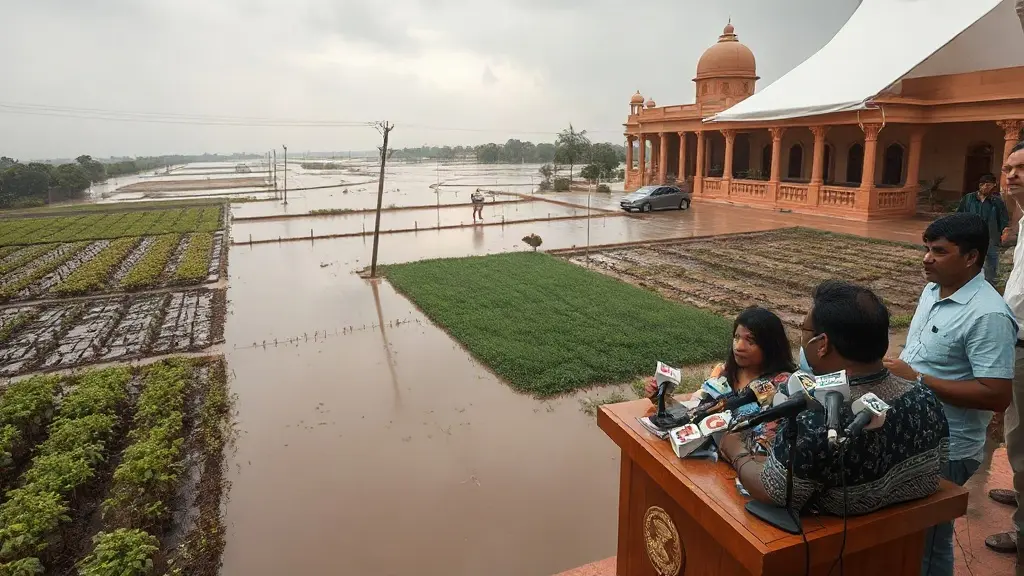
The aftermath of Cyclone Murasu has left Andhra Pradesh grappling with severe weather conditions, resulting in significant loss of life and agricultural damage. As of November 5, 2026, the state has reported four fatalities, with three individuals from Bapatla district and one from Guntur district succumbing to the storm's effects. The heavy rains and strong winds associated with the cyclone wreaked havoc across various districts, particularly affecting farmers and local infrastructure.
According to ConfirmPress analysis, the rainfall activity has notably slowed down after two days of relentless downpour. The India Meteorological Department (IMD) reported that between 8:30 a.m. and 2 p.m. on November 5, only SPSR Nellore district recorded significant rainfall, measuring approximately 55 mm. Other regions, including Tirupati, Anakapalli, and Prakasam, experienced lighter showers, indicating a shift in weather patterns.
Agricultural Damage and Economic Impact
The cyclone's impact on [agriculture](/topic/agriculture-msp) has been profound, with farmers in Kothapatnam mandal of Prakasam district facing severe losses. Plastic covers that protected heaps of salt were blown away, exposing the stored salt to rainwater. This exposure not only risks contamination but also leads to substantial economic losses for local farmers who depend on these resources for their livelihoods.
Local farmer Ramakrishna, who has been cultivating salt for over a decade, expressed his concerns: "The storm has destroyed our preparations for the season. We are now left with damaged goods and no way to recover our losses."
The economic ramifications extend beyond individual farmers. The agricultural sector in Andhra Pradesh, which contributes significantly to the state's economy, is now at risk of facing a downturn due to the cyclone's aftermath. The IMD's forecasts suggest that while widespread rainfall may cease, isolated heavy rainfall could still occur in coastal areas, further complicating recovery efforts.
Forecast and Future Weather Patterns
Looking ahead, the IMD has indicated that light showers may persist in the state on November 6, but a brief pause in rainfall activity is anticipated thereafter. The forecast for the next seven days, extending until November 12, suggests that widespread rainfall is unlikely. However, isolated heavy rainfall is still a possibility in one or two coastal locations.
This forecast brings a mixed bag of relief and concern. While the cessation of heavy rains may allow for recovery efforts to begin, the potential for isolated heavy showers could pose additional risks to already vulnerable areas. Local authorities are urged to remain vigilant and prepared for any sudden changes in weather conditions.
Government Response and Relief Efforts
In response to the devastation caused by Cyclone Murasu, the Andhra Pradesh government has initiated relief efforts aimed at supporting affected communities. Emergency response teams have been deployed to the hardest-hit areas to assess damage and provide necessary aid, including food, medical assistance, and temporary shelter for those displaced by the storm.
Chief Minister Y.S. Jagan Mohan Reddy stated, "We are committed to ensuring that all affected families receive the support they need to recover from this disaster. Our priority is to restore normalcy as quickly as possible."
Local officials are also coordinating with the IMD to monitor weather patterns closely and provide timely updates to residents. Community awareness campaigns are being launched to educate citizens on safety measures and preparedness for future storms.
Community Resilience and Recovery
Despite the challenges posed by Cyclone Murasu, the resilience of the communities in Andhra Pradesh is evident. Local leaders and residents are coming together to support one another, sharing resources and information to navigate the aftermath of the storm.
Community volunteer Sita Devi remarked, "We have always helped each other in times of need. This storm may have brought destruction, but it has also brought us closer together. We will rebuild."
As recovery efforts continue, the focus will be on restoring agricultural productivity and ensuring that the local economy can bounce back from this setback. The collaboration between government agencies, local organizations, and community members will be crucial in fostering resilience against future weather events.
The situation remains fluid, and ongoing monitoring will be essential as the state transitions from crisis response to recovery and rebuilding. The lessons learned from Cyclone Murasu will undoubtedly shape future preparedness strategies for Andhra Pradesh as it faces the realities of [climate change](/topic/climate-change) and extreme weather events.
| Metric | Value |
|---|---|
| Rainfall in SPSR Nellore | 55 mm |
| Fatalities reported | 4 |
| Affected districts | 4 |
| Forecast period | Until November 12 |
| Expected isolated rainfall | Coastal areas |