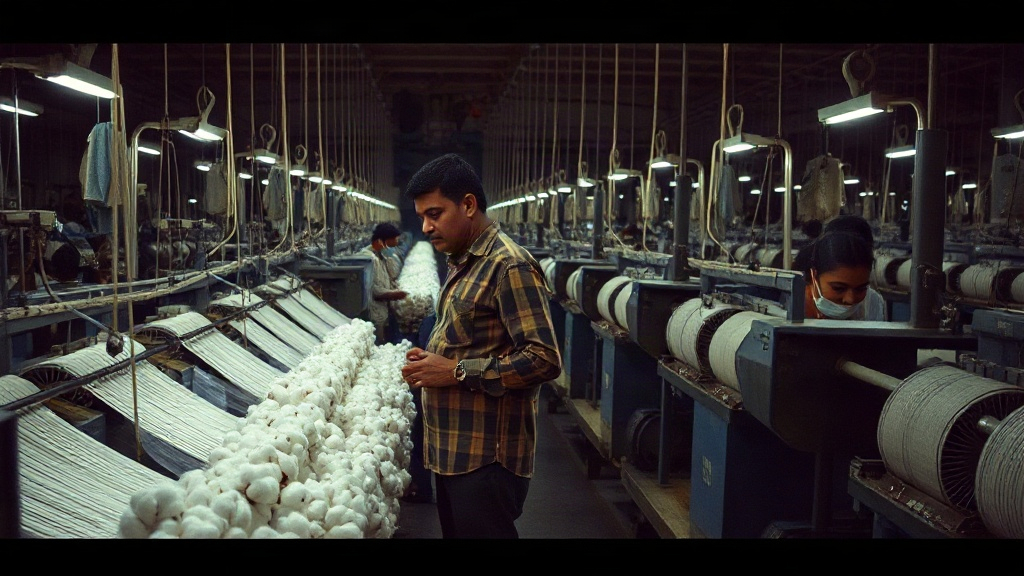
Questions are mounting over Nigeria's preparedness for the upcoming agricultural harvest as climate change continues to disrupt traditional farming cycles and exacerbate food security challenges, according to reporting by The Nation Newspaper.
The country's agricultural sector faces severe pressures from erratic weather patterns, including unpredictable rainfall, extended dry spells, and widespread flooding. These climatic shifts pose direct risks to crop yields, raising concerns among stakeholders about the nation's capacity to maintain stable food supplies and avoid worsening food shortages in the coming months.
Vulnerabilities in the Agricultural Sector
Farming communities across Nigeria remain heavily dependent on rain-fed agriculture, leaving them acutely exposed to changing environmental conditions. As reported by The Nation Newspaper, the recurring threat of climate-induced disruptions highlights broader systemic vulnerabilities, including limited access to climate-resilient crop varieties, insufficient modern irrigation infrastructure, and inadequate post-harvest storage facilities.
Smallholder farmers, who produce the majority of the domestic food supply, frequently bear the brunt of these disruptions. When unexpected weather events strike, entire fields can be lost, driving up production costs and diminishing local market supplies. Without robust support systems to cushion these shocks, each successive farming season brings heightened uncertainty for rural producers and urban consumers alike.
Harvest Projections and Food Security
With the next harvest approaching, analysts and sector observers are assessing whether government interventions, agricultural policies, and local farming practices can sufficiently offset these environmental headwinds. Food inflation and supply constraints have already placed significant strain on household budgets nationwide.
Addressing these risks requires coordinated efforts to improve early warning weather systems, expand adaptive farming techniques, and safeguard transport corridors from climate disruptions. Whether Nigeria can effectively protect its agricultural output and secure the upcoming harvest remains a critical test for the country's broader economic and food stability.