Cabinet Approval of VISTAR Initiative
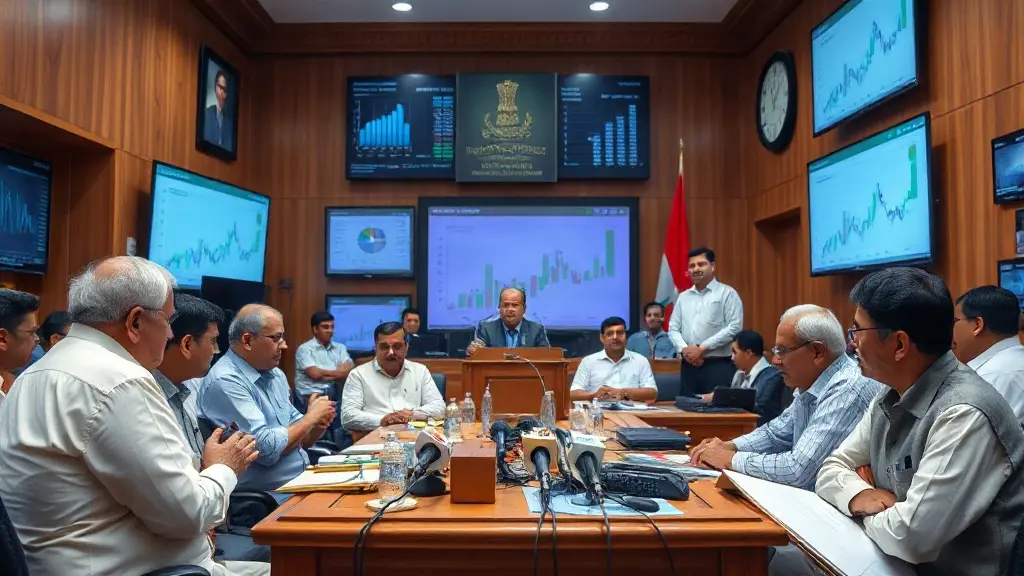
On November 4, 2026, the [Union Cabinet](/topic/union-cabinet), led by Prime Minister [Narendra Modi](/topic/narendra-modi), approved the ‘Viksit Bharat Initiative for Statistical Transformation, Analytics & Research (VISTAR)’ scheme. This initiative, with a substantial outlay of Rs. 4,371.10 crore, is set to span from the fiscal year 2026-27 to 2030-31. The VISTAR scheme aligns with the overarching goal of Viksit Bharat 2047, aiming to establish a robust, real-time statistical architecture that enhances data granularity and interoperability with harmonized, AI-ready datasets.
The VISTAR initiative is designed to provide strategic flexibility in resource allocation, enabling the Ministry of Statistics and Programme Implementation (MoSPI) to respond dynamically to immediate policy needs. This comprehensive approach is expected to significantly improve the execution of large-scale surveys, methodological research, digital transformation, and national data governance.
Components of the VISTAR Scheme
The VISTAR scheme comprises three main components that focus on enhancing the statistical capabilities of India:
1. Comprehensive Statistical Operations and Strengthening of Ecosystem: Under this component, MoSPI plans to conduct 59 surveys during the 16th Finance Commission cycle, a notable increase from the 43 major surveys conducted previously. This expansion aims to fill critical data gaps across various sectors, thereby improving decision-making and enabling timely policy interventions. The initiative will also emphasize the end-to-end digitalization of statistical processes, integrating [Artificial Intelligence](/topic/artificial-intelligence) (AI) and Machine Learning (ML) into workflows for data processing, validation, and analysis.
2. Support for Statistical Strengthening (SSS): This component focuses on enhancing the statistical capabilities of State and Union Territory governments. Funds will be allocated through a redesigned, deliverable-linked framework (SSS 2.0) to build local capacities for generating high-quality, granular data. MoSPI will provide technical support to improve the generation of district-level estimates and facilitate localized policymaking through indigenous data processing capabilities.
3. Economic Census (EC): The initiative will also include the 8th Economic Census, which aims to gather detailed data on non-farm establishments and workers at the Gram Panchayat and Ward levels. This census will provide a comprehensive assessment of the unorganized sector, serving as a baseline for developing a National Statistical Business Register (SBR) to facilitate targeted enterprise surveys and strategic interventions.
Enhancing Data Collection and Analysis
The VISTAR initiative is set to revolutionize data collection methods in India. By mainstreaming alternative data sources such as mobile phone usage, scanner data, and e-commerce information, MoSPI aims to complement traditional surveys. This approach not only reduces the burden on respondents but also fills existing data gaps, thereby strengthening evidence-based policymaking.
Additionally, MoSPI plans to introduce new metrics, including the Headline Index of Services Production and the Index of Unincorporated Sector Enterprises. These new measures will enhance the granularity of data available to policymakers, allowing for more targeted interventions in various sectors of the economy.
Capacity Building and Opportunities for Youth
A significant aspect of the VISTAR initiative is its focus on capacity building and creating opportunities for youth and researchers. MoSPI will implement an Internship Scheme aimed at students and will encourage research proposals from academic and research institutions. This initiative is expected to foster a new generation of data analysts and statisticians, contributing to the overall enhancement of India’s statistical capabilities.
Conclusion: A Future-Ready Statistical Framework
The VISTAR initiative represents a pivotal step towards transforming India’s statistical landscape. By investing in advanced data collection methods, enhancing local capacities, and integrating AI and ML into statistical processes, the government aims to build a future-ready statistical architecture. This transformation is crucial for informed policymaking and effective governance, ultimately contributing to the vision of a developed India by 2047.
| Component | Description | Budget (Rs. Crore) | Surveys Planned |
|---|---|---|---|
| Comprehensive Statistical Operations | Conducting 59 surveys, enhancing data collection | 2,000 | 59 |
| Support for Statistical Strengthening | Capacity building for States/UTs | 1,500 | N/A |
| Economic Census | 8th Economic Census for non-farm establishments | 1,871.10 | N/A |