The opposition Bharatiya Janata Party and Janata Dal (Secular) alliance marked significant early victories in the Karnataka Legislative Council elections on October 27, 2026, clinching decisive leads in key regional constituencies over the ruling Congress party.
According to vote tallies reported by Jagran Josh, JD(S)-BJP alliance candidate A. P. Ranganath captured the prestigious Bengaluru Teachers’ constituency, defeating his nearest Congress rival by a verified margin of 908 votes. The alliance also consolidated its regional standing by winning the North-East Teachers’ seat as counting officials tallied preferential votes through multiple elimination rounds.

The Legislative Contest and Electoral Mechanics
The electoral exercise commenced polling on October 23, 2026, across four seats spanning graduate and teacher electorates, drawing a competitive field of 43 candidates. The elections serve as a critical mid-term bellwether for state political alignment, testing the organizational coherence of the NDA coalition against the incumbent state administration.
Unlike direct general assembly voting, legislative council seats for teachers' and graduates' constituencies employ single transferable votes. Registered educators and degree-holders rank contenders by preference, requiring election officials to tabulate second- and third-preference quotas before declaring a definitive winner when initial counts do not meet the winning quota.
| Election Milestone / Seat | Verified Details | Outcome / Margin |
|---|---|---|
| Polling Date | October 23, 2026 | 4 Constituencies Polled |
| Counting Date | October 27, 2026 | Preferential Round Counting |
| Total Candidates Contesting | 43 Contenders Across 4 Seats | Multi-Cornered Field |
| Bengaluru Teachers' Seat | A. P. Ranganath (JD-S / BJP) | Won by 908 Votes |
| North-East Teachers' Seat | JD(S)–BJP Alliance Candidate | Declared Winner |

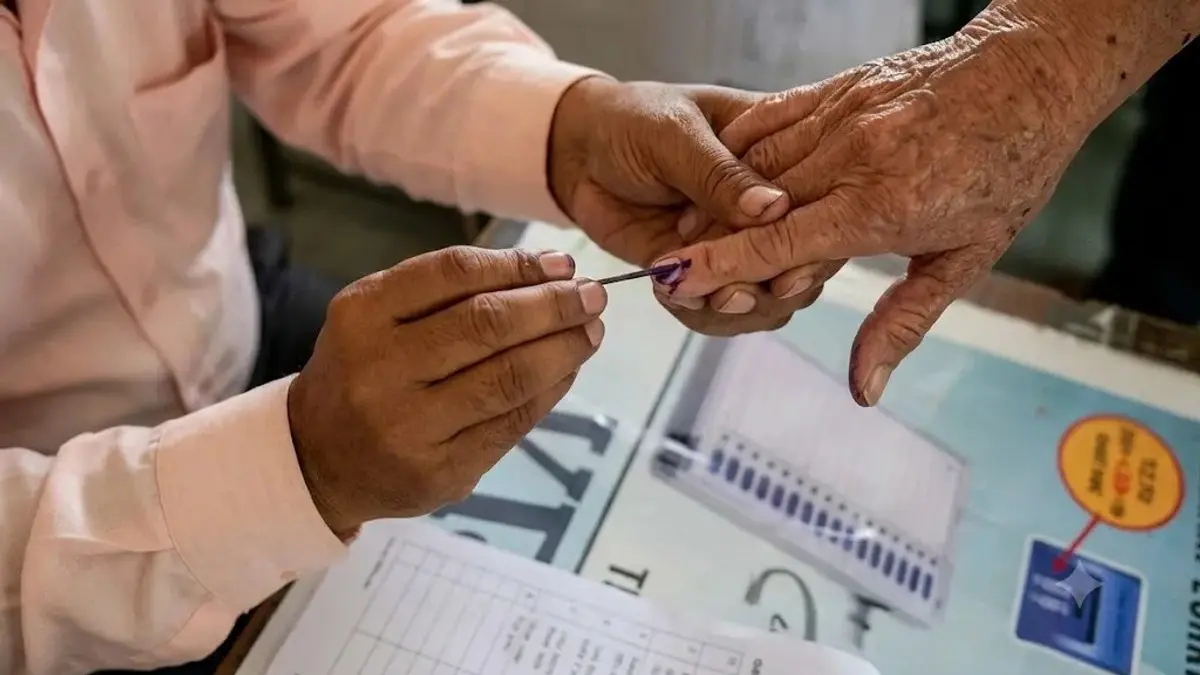
Crucial Karnataka — verified documentary press visual.
Strategic Implications for the Council Balance
Securing upper house representation remains critical for legislative strategy. A strong council presence allows opposition parties to scrutinize, stall, or amend state legislative bills passed by the lower house. The joint candidate selection between the BJP and JD(S) reflects a coordinated strategy designed to consolidate anti-incumbency ballots in professional and academic segments.
State election officials confirmed that preferential counting procedures for remaining seats, including the South-East Graduates’ constituency, progressed smoothly through scheduled verification rounds to finalize the upper house roster.