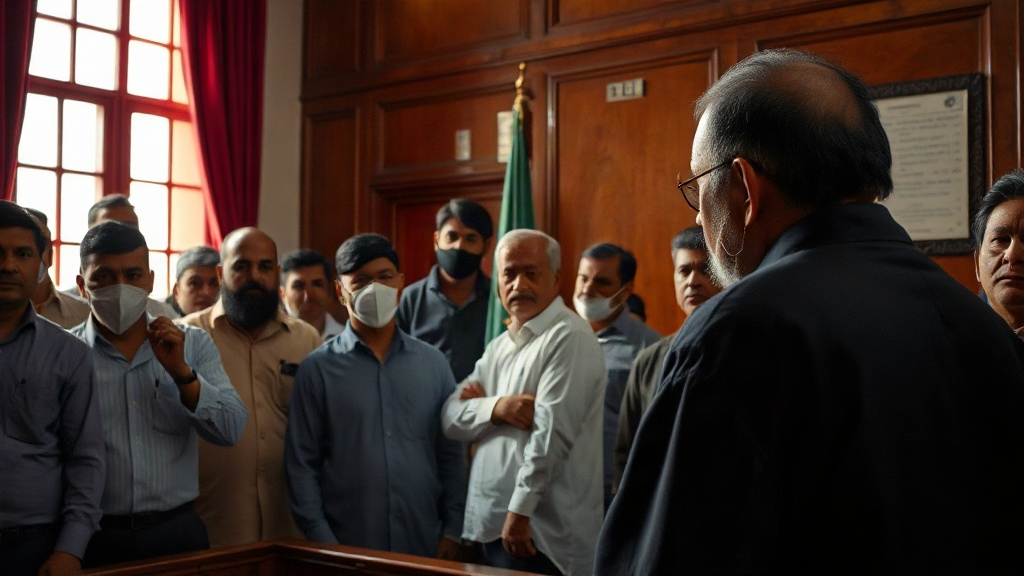
A proposal aiming to introduce uniform Friday sermons across mosques in Kashmir has sparked widespread public backlash, according to reporting by Accredited Wire Reports.
The initiative, which seeks to standardize the religious addresses delivered during Friday congregations, has drawn swift criticism across the region. Local communities and religious figures have voiced strong reservations regarding the administrative push to regulate the traditional messaging delivered from the pulpit, noting that sermon topics have historically been determined by individual imams and local mosque committees.
Discontent Over Centralized Sermons
Opposition to the plan centers on concerns over institutional oversight of religious practices. In Kashmir, Friday sermons serve as significant community gatherings where scholars address spiritual, ethical, and community affairs tailored to their specific congregations. The prospect of implementing standardized texts or centrally mandated guidelines across diverse places of worship has raised apprehension about the erosion of religious autonomy.
Community members and observers cited in reports by Al Jazeera indicate that the move is seen as an unnecessary intervention in longstanding spiritual customs. Critics argue that uniform scripts fail to account for the nuanced traditions and varied scholarly interpretations represented among different local sects and traditions.
Community Reaction and Religious Practice
Friday prayers hold profound social and religious importance throughout the valley, drawing thousands of worshippers weekly. Because congregations traditionally rely on localized guidance, the reaction to standardized messaging reflects broader sensitivities concerning state oversight and community heritage.
As discussions surrounding the proposal continue, regional representatives maintain that preserving the independence of mosque pulpits remains essential for local religious life. Authorities have not yet detailed the full administrative scope of the initiative, while public debate over the standardized sermon framework remains active across the region.