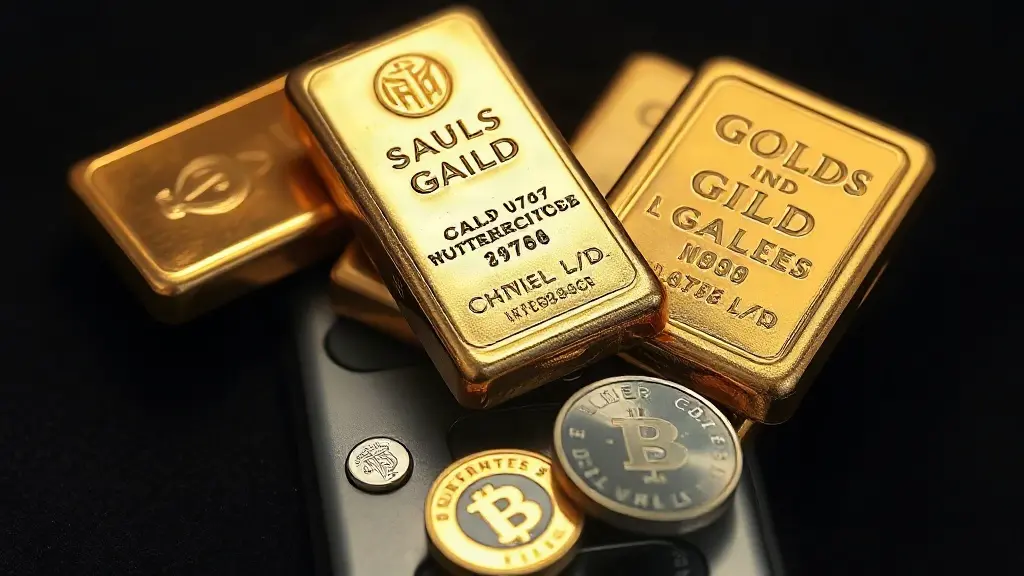
Gold and silver prices experienced steady downward pressure ahead of the festive Diwali season, driven by a global stock sell-off, surging crude oil prices reaching $117 per barrel, and rising yields on United States Treasury bonds.
In domestic trading on October 23, silver dropped below the ₹2,00,000 per kilogram mark, while gold futures traded near ₹1,42,300 per 10 grams on the Multi Commodity Exchange (MCX). In international trading, gold futures on Comex stood near $4,030 per ounce, with silver hovering around $54 per ounce, according to reporting by BBC Hindi.

Core Drivers Behind the Price Slump
The ongoing decline marks the second consecutive week of losses for gold, marking what analysts project could be a 4% drop over the week—its steepest weekly decline since early June.
According to Ryan McKay, senior commodity strategist at TD Securities, broad macroeconomic factors have triggered an investor retreat from bullion. "Concerns regarding oil prices, interest rates, and the Federal Reserve's stance are putting pressure on gold. In addition, investment sentiment across markets has turned negative," McKay noted via BBC Hindi. McKay explained that escalating tensions in the Middle East have driven up energy costs, while capital moving out of artificial intelligence stocks has shifted toward US debt instruments. Higher yields on US Treasury bonds naturally diminish the relative appeal of non-yielding assets like gold.
Silver experienced an even sharper retrenchment, tumbling 7.5% on Friday. The metal has fallen by ₹56,000 from its August high of ₹2,48,800 per kilogram, having declined by more than half from its previous record high of ₹4,20,048 per kilogram.
| Market Benchmark | Contract / Specification | Approximate Price Level | Context / Trend |
|---|---|---|---|
| Domestic Silver (MCX) | 1 Kilogram | ₹1,96,000 | Down below ₹2,00,000; dropped 7.5% on Friday |
| Domestic Gold (MCX) | 10 Grams | ₹1,42,300 | Facing second consecutive week of losses |
| Global Comex Gold | 1 Ounce | $4,030 | Projected weekly drop of nearly 4% |
| Global Comex Silver | 1 Ounce | $54 | Slipped over 50% from all-time highs |
| Brent Crude Oil | 1 Barrel | $117 | Surging energy costs fueling inflation fears |

Photographic Documentation
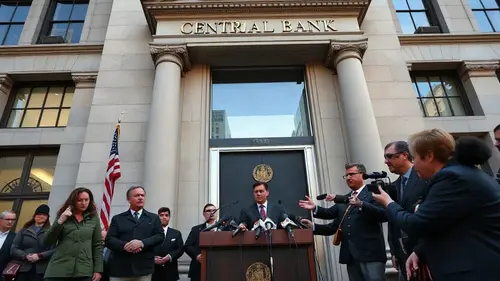
Falling Ahead — verified documentary press visual.
The Gold ETF Divergence
Despite the sustained price weakness in futures and spot markets, institutional accumulation has not stopped. Gold Exchange-Traded Funds (ETFs) monitored by market trackers have registered continuous net inflows for 14 straight weeks, demonstrating clear divergence between short-term spot market trading and long-term positioning.
Addressing this dynamic, Ole Hansen, Head of Commodity Strategy at Saxo Bank A/S, stated in an analytical note carried by BBC Hindi that long-term investors are steadily accumulating physical and paper gold via ETFs as a hedge against ongoing geopolitical instability and currency debasement.
Domestic Festive Demand and Scrap Activity
On the retail front across India, consumer demand remains active due to Dhanteras and Diwali shopping. However, higher baseline price points compared to previous years have encouraged a surge in household recycling, with customers exchanging existing scrap jewelry to offset out-of-pocket costs during festive retail purchases.
Frequently Asked Questions
Why are gold and silver rates falling right before Diwali?
The primary catalysts are rising yields on US Treasury bonds, a stronger dollar, and elevated crude oil prices exceeding $110–$117 per barrel. These factors have sparked inflation concerns, led investors to dump risk assets, and reduced demand for non-interest-bearing precious metals.
How much have silver prices declined from recent highs?
Silver dropped below ₹2,00,000 per kilogram, trading near ₹1,96,000 on the MCX. This represents a decline of ₹56,000 from its August high of ₹2,48,800 per kilogram and a drop of more than 50% from its historical peak of ₹4,20,048 per kilogram.
Are institutional investors completely pulling out of gold?
No. While spot prices and futures contracts have fallen, gold ETFs have recorded net inflows for 14 consecutive weeks, indicating that long-term institutional buyers are using price pullbacks to hedge against geopolitical and macroeconomic uncertainty.