Israeli Prime Minister Benjamin Netanyahu has reportedly pressured senior defense commanders to authorize operational moves against Iran, clashing with military leadership days before a tightly contested national election.
According to an investigative report published by The Guardian, the prime minister intensified warnings over Iran's nuclear capabilities while his far-right governing coalition trailed narrowly in opinion polls. Broadcaster Channel 12 reported that Netanyahu and armed forces Chief of Staff Lt. Gen. Eyal Zamir clashed over a high-stakes directive that defense officials warned could "potentially spark an immediate conflagration with Iran at a very sensitive juncture" through tactical miscalculation.

Institutional Clash and Military Pushback
During high-level discussions, Zamir reportedly requested that Netanyahu submit the sensitive military directive formally in writing before implementation. Following media disclosure of the confrontation, the Prime Minister's Office denied the incident, and the Israeli Defense Ministry subsequently denied any immediate intent to execute preemptive operations against Iranian targets.
However, a formal statement from the Israel Defense Forces avoided issuing a direct denial of the reported tensions, stating instead that its operational planning remained guided entirely by "security, professional, objective and national considerations."
Opposition figures sharply criticized the alleged maneuvers. Former defense official Gadi Eisenkot rejected the politicization of state defense assets, stating publicly, "We won’t allow the IDF to be turned into a pawn in Netanyahu’s survival campaign."

Photographic Documentation
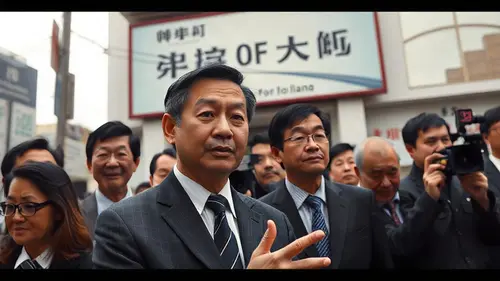
Action Ahead — verified documentary press visual.
Cross-Border Diplomatic and Market Implications
Parallel reporting from CNN and the Financial Times indicated that Netanyahu had recently lobbied U.S. President Donald Trump to authorize coordinated strikes targeting Iran. According to those reports, the U.S. administration ruled out supporting joint offensive action before the upcoming U.S. congressional elections.
Public campaigning has incorporated heightened apocalyptic warnings. On social media, Netanyahu shared an AI-generated image depicting a nuclear blast over Tel Aviv, writing: "Anyone who cares about their own physical existence, that of their family, and their loved ones should have a trembling hand before voting for [the opposition]."
Regional energy analysts and market monitors continue to track diplomatic fallout, as sudden defense posture shifts within the Middle East directly impact crude supply stability and regional shipping corridors.
| Event Dimension | Documented Detail | Current Status |
|---|---|---|
| Reported Directive | High-risk operational directive involving Iran | Demanded in writing by military chief; denied by PMO |
| Military Leadership Reaction | Lt. Gen. Eyal Zamir pushed back on unwritten orders | IDF affirmed focus on objective security criteria |
| U.S. Coordination | Direct appeals to President Donald Trump | U.S. action ruled out ahead of congressional elections |
| Electoral Context | Narrow polling deficit before national vote | High-alert rhetoric deployed across campaign channels |
Frequently Asked Questions
Did the Israeli military confirm the clash with Benjamin Netanyahu?
The Israel Defense Forces did not explicitly deny that discussions took place. The IDF issued a statement affirming that its decisions are guided strictly by "security, professional, objective and national considerations," while the Prime Minister's Office denied the report.
What specific military action was requested against Iran?
The specific operational parameters of the directive were not publicly disclosed in the reports. However, Channel 12 reported the proposed action carried a substantial risk of sparking an unintended regional escalation.
How has the United States responded to the proposals?
Diplomatic reports indicate President Donald Trump ruled out participating in renewed offensive strikes against Iran prior to the conclusion of upcoming U.S. congressional elections.