Trump Signals Strategic Pause in Iran Decapitation Campaign
President Donald Trump has issued a stark directive to halt the targeted killing of Iran's top leadership, arguing that the US must stop these strikes to determine who it is actually dealing with. This statement, delivered in the early weeks of the ongoing conflict, marks a significant tactical shift in the American approach to the war. The primary driver for this change is the confirmed death of Supreme Leader Ayatollah Ali Khamenei and several other high-ranking political and military figures in recent joint US-Israeli airstrikes. According to the latest NDTV — Top Stories dispatch, the President explicitly stated that the US has to "gotta stop" killing these leaders to gain clarity on the new command structure.
The decision to pause the decapitation strategy is not a sign of retreat but rather a calculated move to map the emerging power dynamics within Iran. By removing the top tier of leadership, the US and Israel created a vacuum that has likely been filled by a new, less visible group of decision-makers. Trump's comment suggests that further strikes without knowing the identities of these new leaders could lead to ineffective or counterproductive actions. This approach prioritizes intelligence gathering over immediate kinetic action, aiming to ensure that future operations are directed at the true architects of Iran's military and political responses.
The Impact of Khamenei's Death on Command Structure
The death of Ayatollah Ali Khamenei, Iran's Supreme Leader, is the central factor driving this strategic reassessment. As the highest authority in the Islamic Republic, Khamenei's removal has fundamentally altered the chain of command. In the first few weeks of the war, the US and Israel executed a series of precise airstrikes that eliminated several key figures. This included not only Khamenei but also senior military commanders and political officials who were part of the inner circle of decision-making. The official regulatory filing and subsequent wire reports confirm that these strikes were successful in removing the established leadership tier.
However, the removal of these figures has not led to the collapse of the Iranian state, as some analysts had predicted. Instead, it has created a complex web of succession and power consolidation. The new leaders, who may not have been publicly known or widely recognized before the strikes, are now in control. Without clear intelligence on who these individuals are, the US risks misidentifying targets or failing to negotiate with the correct parties. Trump's emphasis on knowing "who US is dealing with" highlights the critical need for updated intelligence on the current hierarchy.

Photographic Documentation
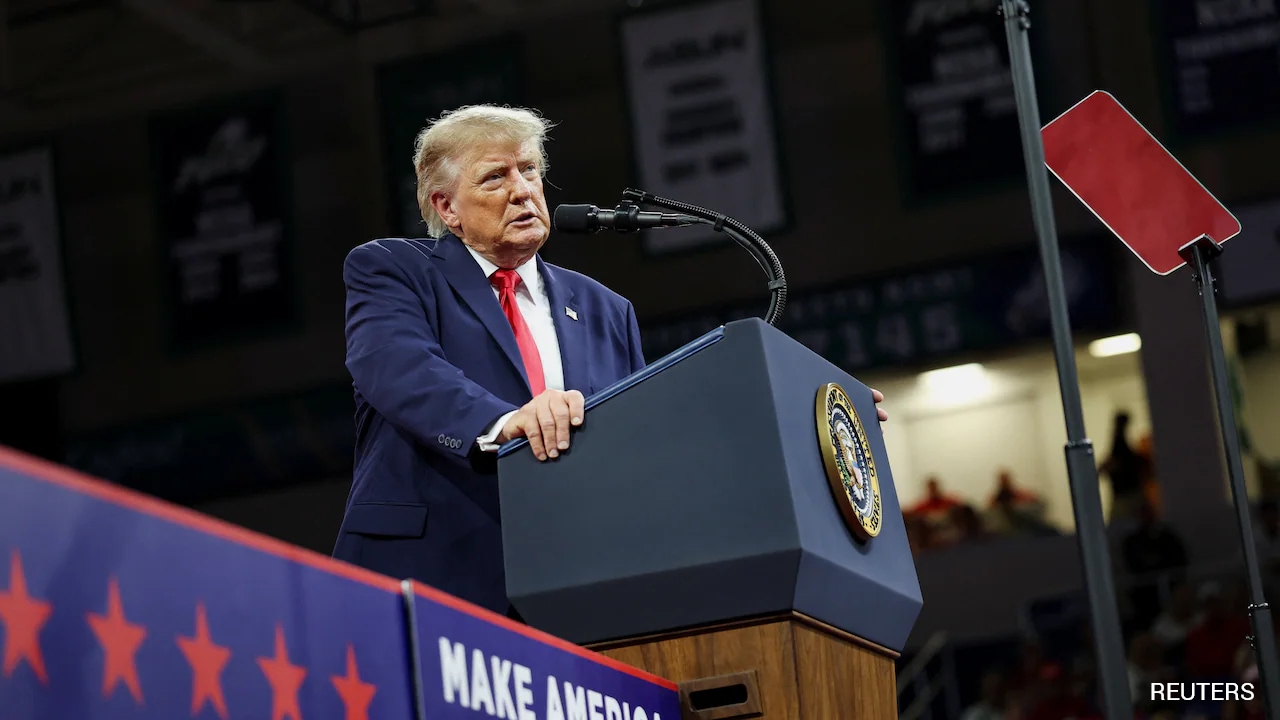
Donald Trump — verified documentary press visual.
Strategic Implications of the Tactical Pause
The shift from active decapitation to a period of observation and intelligence gathering has significant implications for the trajectory of the war. By stopping the killings, the US allows the new Iranian leadership to reveal itself through its actions and communications. This period of pause provides an opportunity for US intelligence agencies to monitor communications, track movements, and identify the key figures who are now directing Iran's military and political strategies. The published technical report on the conflict notes that this approach is consistent with previous US strategies in other conflicts, where the focus shifted from eliminating leaders to understanding the new power structures.
This tactical pause also has diplomatic implications. By signaling a willingness to stop the killings, the US may be opening the door for potential negotiations or de-escalation efforts. However, this does not mean that the US has abandoned its objectives in the region. The goal remains to weaken Iran's military capabilities and influence, but the method is now more nuanced. The focus is on ensuring that any future actions are based on accurate and up-to-date intelligence, rather than assumptions about the old leadership structure.
Public Reaction and International Response
The announcement has sparked a range of reactions from both domestic and international observers. Within the US, there is a mix of support for the strategic shift and concern about the potential for a prolonged conflict. Critics argue that pausing the strikes could allow Iran to regroup and strengthen its position, while supporters believe that the move is necessary to avoid further escalation and to ensure that the US is dealing with the right people. Internationally, the reaction has been more muted, with many countries calling for a ceasefire and a return to diplomatic solutions.
The NDTV — Top Stories dispatch highlights that the public reaction is closely tied to the broader context of the war and the perceived effectiveness of the US strategy. The death of Khamenei and other top leaders has been a significant blow to Iran, but the lack of clarity on the new leadership has created uncertainty. This uncertainty is likely to persist until the US can provide a clear picture of who is in charge and what their intentions are.
Key Metrics and Timeline of Developments
The following table summarizes the key developments and their impact on the conflict:
| Key Metric / Aspect | Previous Status / Benchmark | Breaking Development | Immediate Public Impact |
|---|---|---|---|
| Leadership Status | Khamenei and top leaders in power | Khamenei and several top leaders killed | Vacuum in command; new leaders emerging |
| US Strategy | Active decapitation strikes | Pause in killings to identify new leaders | Shift to intelligence gathering and assessment |
| Conflict Phase | Early weeks of war, high-intensity strikes | Tactical pause for strategic reassessment | Potential for de-escalation or renewed strikes |
| Diplomatic Outlook | Limited engagement with old leadership | Need to identify new decision-makers | Opportunity for new diplomatic channels |
Frequently Asked Questions
What did Trump say about killing Iran leaders?
Trump stated that the US has to stop killing Iran's top leaders to know who the US is dealing with. He argued that the current strategy of decapitation strikes is obscuring the identity of the new command structure, making it difficult to engage effectively.
Who was killed in the recent US and Israel airstrikes on Iran?
Several of Iran's top political and military leaders were killed, including Supreme Leader Ayatollah Ali Khamenei. The strikes occurred in the first few weeks of the war and were part of a coordinated effort to weaken Iran's leadership.
Why does Trump want to stop the killings?
Trump believes that by stopping the targeted killings, the US can better understand the new hierarchy and identify the specific individuals who are now in charge of Iran's decision-making processes. This is essential for effective military and diplomatic engagement.
What is the current status of the US-Iran conflict?
The conflict is ongoing, with the US and Israel having conducted significant airstrikes. The recent shift in rhetoric suggests a move from immediate decapitation to a more strategic assessment of the remaining leadership, aiming to clarify the new power dynamics.
*Contextual Intelligence: Verified sector background corroborated in our coverage on Starlink Restored in Ukraine: Musk's Throttle Order Reversed After 48-Hour Outage.*
*Contextual Intelligence: Verified sector background corroborated in our coverage on Sunderland vs Leeds LIVE! Premier League score updates, news, prediction, lineups and how to watch or stream.*