A federal judge has ruled that the Trump administration acted unlawfully when it fired federal prosecutor Maurene Comey from the Department of Justice, according to reporting published by The New York Times. The ruling delivers a significant judicial determination concerning civil service protections, executive personnel authority, and prosecutorial independence within the federal justice system.
Maurene Comey, an experienced Assistant United States Attorney in the Southern District of New York who handled high-profile federal prosecutions including the case against Jeffrey Epstein and associates, challenged her termination in federal court. The court's decision establishes that the administrative procedures used to execute her removal violated federal statutory protections governing career prosecutors.

The Core Legal Ruling and Civil Service Protections
The central issue before the court was whether executive branch officials possessed the authority to dismiss a career civil service prosecutor without adhering to standard statutory review and procedural due process. Federal law strictly distinguishes between political appointees—who serve at the pleasure of the President—and non-political career civil servants, who are protected under Title 5 of the United States Code against retaliatory or arbitrary termination.
In the formal decision detailed by The New York Times legal reporting, the presiding judge concluded that the administration bypassed mandatory administrative frameworks established to insulate career attorneys from partisan removal. By finding the dismissal unlawful, the court affirmed that Department of Justice leadership cannot unilaterally circumvent established merit system principles.
| Procedural Dimension | Career Prosecutor Statutory Standard | Trump Administration Action | Judicial Finding |
|---|---|---|---|
| Employment Classification | Title 5 Civil Service Career Status | Treated as at-will political personnel | Career protections apply fully |
| Removal Cause Required | Documented performance or misconduct | Summary dismissal without formal cause | Action lacked statutory justification |
| Administrative Process | Notice, right to respond, MSPB review | Unilateral executive termination | Deprivation of procedural due process |
| Legal Status of Order | Presumption of administrative compliance | Contested executive branch directive | Ruled unlawful by federal court |

Photographic Documentation
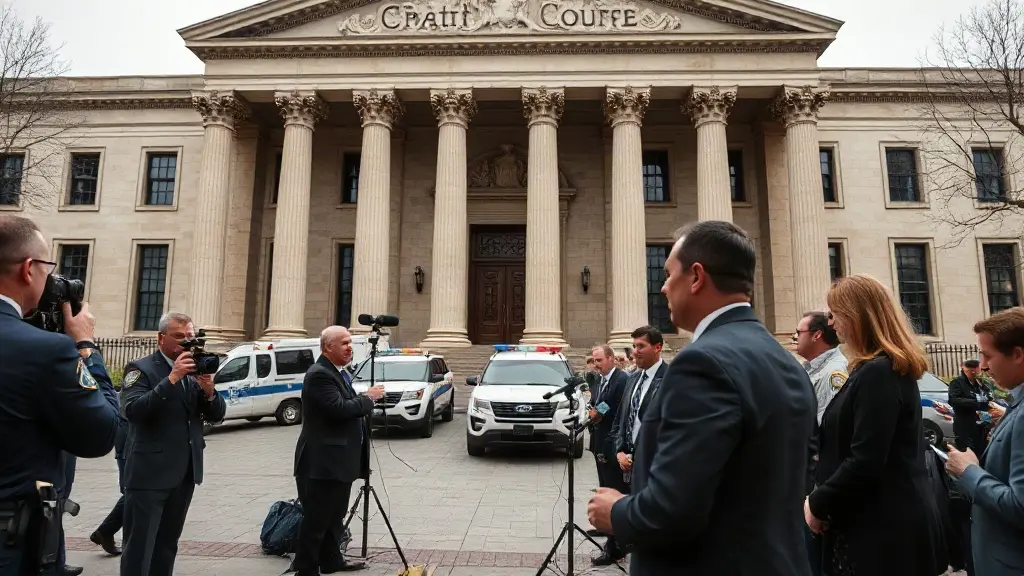
Judge Rules — verified documentary press visual.
Background Surrounding the Termination
Maurene Comey served for years as an Assistant U.S. Attorney in Manhattan, prosecuting complex public corruption, human trafficking, and financial crimes cases. She is also the daughter of former FBI Director James Comey, whom Donald Trump dismissed in May 2017. Her dismissal sparked immediate scrutiny among legal scholars and civil service advocates regarding potential political retaliation within the federal workforce.
As recorded in analysis from The New York Times dispatch, the litigation tested the limits of executive power over career line prosecutors who handle politically sensitive cases. The Department of Justice had defended its personnel authority by arguing wide executive discretion over federal enforcement staff, but the court rejected that defense, finding statutory employment protections remain binding on federal agencies.
Procedural Next Steps and Legal Implications
Following the court's determination of an unlawful firing, several procedural outcomes now take center stage. Under standard federal administrative law, remedies for an unlawful termination typically include reinstatement, the awarding of back pay, and the correction of official personnel files, subject to specific remedial orders from the bench.
The Department of Justice retains the legal right to seek a stay of the ruling or file an appeal with the appropriate U.S. Circuit Court of Appeals. If appealed, higher courts will review whether the administration's interpretation of executive removal power can override statutory protections enacted by Congress to shield federal career prosecutors from political intervention.
Frequently Asked Questions
What did the court decide regarding Maurene Comey's dismissal?
The court ruled that the Trump administration acted unlawfully under federal civil service laws when it terminated Maurene Comey from her position as an Assistant U.S. Attorney.
Why was Maurene Comey's firing contested in court?
Comey was a career civil servant protected by statutory due process rules, meaning she could not be summarily removed without documented cause and administrative review procedures.
What can happen next in the case?
The federal government may appeal the ruling to a federal appellate court, while the trial court considers specific remedies such as reinstatement or back pay.