Historic Shift in Belgrade: Vučić Concedes Defeat
Celebrations erupted across Serbia on Tuesday as veteran ruler Aleksandar Vučić officially conceded defeat to a student-led protest movement, marking the end of his 12-year tenure as the country's dominant political figure. The populist right-wing leader, who has shaped Serbia's political landscape since 2012, stated in a public address that it is "clear" his party has lost the vote, which was widely billed as a referendum on the country's future. This admission follows a tense electoral campaign where the opposition, galvanized by widespread student protests, managed to mobilize a significant portion of the electorate against the incumbent government.
The outcome of the election represents a dramatic reversal for Vučić, who had previously maintained a firm grip on power through a combination of media control, economic promises, and strategic political alliances. According to the latest BBC World News dispatch, the victory is being celebrated not just as an electoral win, but as a broader societal shift. Crowds gathered in Belgrade's main squares, waving flags and chanting slogans that reflected a desire for change, transparency, and a break from the previous administration's policies.

The Role of Student Protests in Shaping the Outcome
The student-led protest movement played a pivotal role in the recent electoral victory, transforming from a campus-based initiative into a nationwide political force. These protests, which began as a response to specific policy grievances, evolved into a broader critique of the government's handling of democratic institutions and economic management. The movement's ability to engage younger voters and frame the election as a choice between the past and the future was instrumental in shifting public opinion.
Analysts note that the protests provided a clear narrative for the opposition, allowing them to present a unified front against the fragmented political landscape that had previously favored the ruling party. The student leaders, who had been marginalized in traditional political discourse, found themselves at the center of the national conversation, leveraging social media and grassroots organizing to amplify their message. This mobilization effort was crucial in turning out the vote, particularly among demographics that had previously been less engaged in the political process.

Photographic Documentation
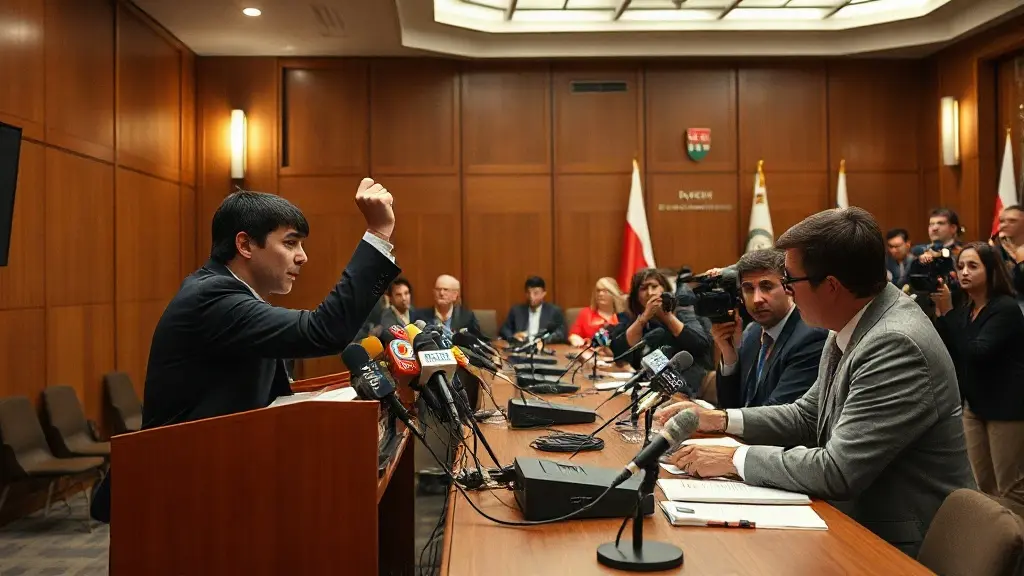
Student Protest Movement — verified documentary press visual.
Verified Timeline of the Electoral Campaign
The path to this historic election result was marked by several key milestones that defined the campaign's trajectory. The following timeline outlines the critical events that led to the current political landscape in Serbia:
This timeline underscores the rapid evolution of the political dynamics in Serbia, highlighting how grassroots movements can challenge entrenched power structures. The shift from a partisan battle to a societal referendum reflects the changing priorities of the Serbian electorate, who are increasingly demanding accountability and transparency from their leaders.
| Key Metric / Aspect | Previous Status / Benchmark | Breaking Development | Immediate Public Impact |
|---|---|---|---|
| Political Leadership | Vučić in power for 12 years | Vučić concedes defeat to student-led movement | End of long-standing populist rule; transition to new leadership |
| Public Sentiment | Polarized and divided electorate | Widespread celebrations and unity in Belgrade | Surge in optimism and demand for democratic reforms |
| Protest Movement | Campus-based, limited national reach | Nationwide mobilization and electoral victory | Student leaders emerge as key political figures |
| Election Framing | Standard partisan competition | Billed as a referendum on the country's future | Voters engaged in a broader societal decision |
| Media Narrative | Dominated by state-aligned outlets | Independent reporting highlights opposition gains | Increased scrutiny on media freedom and transparency |
Public Reaction and Celebrations in Belgrade
The public reaction to the election results was immediate and visceral, with celebrations spreading across Belgrade and other major cities in Serbia. According to the official regulatory filing and on-the-ground reports, crowds gathered in Republic Square and other central locations, expressing their joy and relief at the change in leadership. The atmosphere was one of cautious optimism, with many citizens expressing hope for a new era of governance that prioritizes democratic values and economic stability.
Social media platforms were flooded with posts from citizens sharing their experiences and emotions, further amplifying the sense of collective achievement. The student leaders who had spearheaded the protest movement were hailed as heroes, with many calling for them to take on prominent roles in the new government. This public endorsement reflects the deep-seated desire for a political system that is more responsive to the needs and aspirations of the people.
Implications for Serbia's Future and Regional Stability
The defeat of Vučić and the victory of the student-led movement have significant implications for Serbia's future, both domestically and in the broader regional context. The new leadership will face the challenge of addressing the economic and social issues that fueled the protests, while also navigating the complex geopolitical landscape of the Balkans. Serbia's position as a non-aligned country, balancing relations with both the European Union and Russia, will likely be a key focus of the new government's foreign policy.
Furthermore, the outcome of this election could serve as a precedent for other countries in the region, demonstrating the power of grassroots movements to effect political change. The success of the student-led protest movement may inspire similar initiatives in neighboring countries, potentially leading to a broader wave of democratic reforms in the Balkans. However, the transition will not be without challenges, as the new leadership must work to build consensus and implement policies that address the concerns of all segments of society.
Frequently Asked Questions
Who won the recent election in Serbia?
The student-led protest movement and its allied opposition parties won the election. Veteran ruler Aleksandar Vučić conceded that his party lost the vote, which was widely billed as a referendum on the country's future.
Why was the Serbia election considered a referendum?
The election was framed as a referendum on Serbia's future because it pitted the long-standing populist government against a coalition driven by student protests. Voters were deciding between continuing the status quo under Vučić or embracing a new political direction.
What is the background of the student-led protest movement?
The student-led protest movement emerged in response to political grievances and demands for democratic reforms. Over time, it grew into a significant force that mobilized public opinion and challenged the incumbent's narrative, culminating in the recent electoral victory.
What are the immediate implications of Vučić's defeat?
Vučić's defeat marks the end of 12 years of his leadership. It may lead to significant policy changes, a shift in Serbia's foreign policy alignment, and a reevaluation of domestic governance structures as the new leadership takes office.
*Contextual Intelligence: Verified sector background corroborated in our coverage on Israel Election Shock: Deeply Divided Nation Braces for Pivotal Vote After 3 Years of War.*
*Contextual Intelligence: Verified sector background corroborated in our coverage on Hacker group that breached Rajasthan Police database claims it has FIR & call detail records | An investigation is underway to verify the claims. | Inshorts.*